

Home Blog Page 2

A Guide for Animal Lovers on How to Prove Future Expenses in a Personal Injury Claim

Guide for Animal Lovers
Photo by Zen Chung on Pexels.com

Welcome to our furry corner of the internet, where we usually celebrate the joy our pets bring into our lives. Today, we’re diving into a topic that might not be as cuddly but is equally important for all pet owners and animal lovers. If you’ve ever been injured and faced the daunting task of proving future expenses in a personal injury claim, you know it can feel like trying to train a cat to fetch. But don’t worry; we’re here to make this process as smooth as a cat’s purr. So, as part of our tips for pet owners section, grab your favorite beverage, curl up with your furry friend, and let’s navigate this legal maze together.

Why Future Expenses Matter

Imagine you’re out for a walk with your dog, Fluffy, and a careless driver causes an accident that leaves you injured. The immediate medical bills might be covered by insurance, but what about the ongoing therapy, medication, and the cost of hiring someone to walk Fluffy while you recover? Future expenses are the costs you’ll incur after the initial treatment, and proving these in a personal injury claim is crucial to ensure you’re not left with a financial burden as hefty as a Saint Bernard.

Types of Future Expenses

Just like our pets have different needs, future expenses in a personal injury claim can vary widely. Here are some common categories:

  1. Medical Treatment:
    • Continued Therapy: Physical therapy, occupational therapy, and other ongoing treatments.
    • Medications: Long-term prescriptions and pain management.
    • Surgeries: Potential future surgeries related to the injury.
  2. Rehabilitation and Care:
    • Home Care: Hiring someone to help with daily activities.
    • Modifications: Making your home accessible, such as installing ramps or handrails.
  3. Lost Wages and Earning Capacity:
    • Lost Income: Compensation for time off work.
    • Reduced Earning Capacity: If you can no longer perform your job duties at the same level.
  4. Miscellaneous Expenses:
    • Pet Care: Costs of hiring someone to walk your dog, clean the litter box, or take care of other pet needs.
    • Transportation: Travel expenses for medical appointments.

Gathering the Evidence

Proving future expenses isn’t as simple as showing a vet bill for your pet. It requires a thorough collection of evidence, akin to gathering your pet’s medical records for a new vet. Here’s how you can do it:

  1. Medical Records and Expert Testimony:
    • Doctor’s Reports: Detailed reports from your healthcare providers outlining your current condition and future treatment needs.
    • Expert Testimony: Statements from medical experts about the necessity and cost of future treatments.
  2. Employment Records:
    • Income Statements: Proof of your current income and how the injury affects your earning capacity.
    • Employer Testimony: A statement from your employer about your job duties and how they are impacted by your injury.
  3. Receipts and Bills:
    • Past Expenses: Receipts for all medical treatments, medications, and other related expenses.
    • Projected Costs: Estimates for future treatments and modifications to your home or lifestyle.
  4. Pet Care Costs:
    • Professional Pet Care Receipts: Receipts from dog walkers, pet sitters, or other professional pet care services.
    • Veterinary Recommendations: Statements from your vet about any additional pet care needed due to your inability to perform certain tasks.

Watch this video to learn how Pet care costs are rising…

Calculating Future Expenses

Just like estimating how much kibble your dog will eat in a year, calculating future expenses requires some foresight. Here are the steps to make an accurate calculation:

  1. Consult with Professionals:
    • Medical Professionals: Get detailed future treatment plans and cost estimates from your doctors.
    • Vocational Experts: They can assess how your injury impacts your work and earning potential.
  2. Use of Actuarial Tables:
    • These tables can help calculate the present value of future expenses, considering factors like inflation and interest rates.
  3. Consider Life Expectancy:
    • The longer the expected duration of the future expenses, the higher the total cost. This is particularly important for long-term care or permanent disabilities.

Presenting Your Case

When it’s time to present your case, think of it as telling your pet’s story to a new friend – you want to be clear, compelling, and backed by evidence. Here’s how to do it:

  1. Clear Documentation:
    • Organize all your evidence, including medical records, expert testimonies, and receipts, in a clear and logical order.
  2. Expert Witnesses:
    • Use credible experts who can testify to your future needs and the associated costs. Their testimony should be easy to understand and directly related to your injury.
  3. Personal Testimony:
    • Your own account of how the injury has affected your life, your ability to care for your pet, and your future needs. Personal stories can be very compelling in court.
  4. Visual Aids:
    • Use charts, graphs, and photographs to illustrate the impact of your injury and the necessity of future expenses. Visual aids can help clarify complex information.

The Importance of a Good Legal Team

Just as you wouldn’t trust your pet’s health to an unqualified vet, don’t just trust any lawyer that comes your way. For example, if you’re one of our followers in White Plains, NY, don’t navigate a personal injury claim without a skilled White Plains serious injury attorney. A good legal team can:

  • Guide You: Help you understand the process and what evidence is needed.
  • Advocate for You: Present your case in the best possible light.
  • Negotiate: Work to get a fair settlement that covers all your future expenses.

Conclusion

Proving future expenses in a personal injury claim is crucial to ensure you’re not left with overwhelming costs, much like ensuring your pet’s future is secure with proper care. By gathering the right evidence, consulting with experts, and presenting a compelling case, you can increase your chances of receiving fair compensation. Remember, just like with your furry friend, attention to detail and a little extra effort can go a long way. So, take care of yourself and your beloved pets, and ensure you get the support you need for a brighter future.

How to Handle Your State’s Statute of Limitations for Pet-related Issues

Statute of Limitations for Pet-related Issues
Photo by Blue Bird on Pexels.com

Hello, fellow pet lovers and legal enthusiasts! Today, as part of our Pets Blog, we’re diving into the world where fluffy paws meet legal claws—handling your state’s statute of limitations for pet-related issues. As someone who has both a law degree and a deep love for all things furry, I’m here to guide you through this intricate yet crucial aspect of pet ownership.

What is the Statute of Limitations?

First things first: What is the statute of limitations? Well, according to the book – it’s a law that sets the maximum time after an event within which legal proceedings may be initiated. Imagine you’ve got a giant egg timer, and once you flip it, the sand starts to flow. That’s basically what the statute of limitations is—a countdown that begins the moment an incident occurs. It dictates how long you have to bring a legal claim before the courts say, “Sorry, too late!”

Each state has its own specific timer setting, and these can vary dramatically. For example, you might have three years to file a personal injury lawsuit in New York, but only two years in California. It’s like having different bedtimes depending on which state you’re in.

Determining the Statute of Limitations in Your State

So, how do you find out what your state’s statute of limitations is? Here’s a fun fact: it’s not buried in the middle of the forest under a pile of leaves (although sometimes it feels like it). Instead, you can access this information through:

  • Government Websites: Most state government websites have sections dedicated to their laws and statutes.
  • Legal Aid Services: These organizations can provide guidance and sometimes free legal advice.
  • Pet Advocacy Groups: They often have resources and can point you in the right direction.

Steps to Take When Facing Pet-related Legal Issues

When it comes to handling these issues, I always recommend being as organized as a squirrel hoarding nuts for winter. Here’s a step-by-step guide:

  1. Document the Incident: Keep detailed records. Whether it’s a vet’s mistake or a pet custody dispute, the more information you have, the better.
  2. Consult a Lawyer: Preferably one who specializes in pet law. They’re like the wizards of the legal world for our four-legged friends. If you’re one of our followers in Denver, for example, I’d suggest consulting an experienced personal injury attorney in Denver, Colorado who can help you accurately determine the applicable statute of limitations and any potential exceptions.
  3. File a Claim Promptly: Don’t let that egg timer run out on you. Filing within the statute of limitations is critical.
  4. Gather Evidence and Witnesses: This can be anything from medical records to witness statements. Think of it as preparing for a pet-related episode of “Law & Order.”

Common Pet-related Legal Issues

Pets, bless their hearts, can sometimes get us into legal tangles. Let’s look at some scenarios where the statute of limitations is particularly relevant:

  1. Veterinary Malpractice: Just like humans, pets can fall victim to medical mistakes. If Dr. Fluffy missed a critical diagnosis, you need to know how long you have to file a complaint. Read this lawsuit for example.
  2. Pet Custody Disputes: Breakups are hard. Breakups with shared pets? Even harder. Understanding the timeline for resolving these disputes is essential.
  3. Animal Cruelty Cases: Witnessing or suspecting cruelty is heartbreaking, and you need to act within a specific period to ensure justice.
  4. Personal Injury Caused by Pets: If Fido decides to turn into a Cujo, biting the mailman or a neighbor, there’s a legal timeframe to sort out the aftermath.
  5. Pet Theft or Loss: Losing a pet or having one stolen is devastating. Knowing your legal window for action can make a huge difference.

Potential Consequences of Missing the Statute of Limitations

Now, here’s where things get serious. Missing the statute of limitations is like arriving at the airport an hour after your flight has taken off. It’s a hard “no.” Your case could be dismissed, and you might lose your legal rights to seek compensation or justice. The importance of timely action cannot be overstated.

Tips for Managing Pet-related Legal Issues

  1. Keep Detailed Records: This cannot be emphasized enough. From vet visits to behavior notes, document everything.
  2. Stay Updated on State Laws: Laws can change, and it’s good to be in the know.
  3. Seek Legal Advice Early: Better to consult a lawyer sooner rather than later.

Case Studies

Let’s dive into a couple of real-life scenarios to illustrate these points:

Case Study 1: The Misdiagnosed Poodle

A friend of mine had a poodle named Bella who was misdiagnosed by a vet. The poor pup suffered, and it wasn’t until a second opinion was sought that the real issue was discovered. They filed a complaint within the two-year statute of limitations for veterinary malpractice in their state and won the case, helping to cover the cost of Bella’s proper treatment.

Case Study 2: The Stolen Siamese

Another friend had their Siamese cat, Whiskers, stolen. They reported the theft immediately and started legal proceedings within the one-year limit for such cases in their state. They were able to track down and retrieve Whiskers, thanks to timely action and solid documentation.

And for a different kind of pet-related lawsuit – watch this:

Conclusion

Understanding and handling your state’s statute of limitations for pet-related issues is crucial. It’s not just about the law; it’s about ensuring the well-being and justice for our beloved pets. From veterinary malpractice to custody disputes, knowing the legal timelines can make all the difference.

Additional Resources

For those who want to delve deeper, here are some valuable resources:

  • Legal Aid Organizations: They can provide free or low-cost legal advice.
  • Pet Advocacy Groups: Organizations like the ASPCA and Humane Society offer guidance and support.
  • Books and Articles on Pet Law: A plethora of resources are available for the legally curious pet owner.

In conclusion, handling your state’s statute of limitations for pet-related issues requires a mix of vigilance, organization, and prompt action. With the right knowledge and preparation, you can navigate these legal waters smoothly and ensure the best outcomes for your furry companions. Remember, our pets depend on us not just for love and care, but also for protection and justice. So, let’s be their advocates in every way possible. Happy pet parenting and legal navigating!

A Comprehensive Guide to Taking Your Reptiles to Your New Home

Taking Your Reptiles to Your New Home
Photo by Basith Bakir on Pexels.com

Moving can be a stressful experience, not just for humans but also for our reptilian companions. Reptiles, with their unique needs and sensitivities, require special care and attention during a move to ensure their health and well-being. As part of our tips for pet owners section, here’s a comprehensive guide to help you successfully move your reptiles to a new home, making the transition as smooth and stress-free as possible for your scaly friends.

Pre-Move Preparations

Research and Plan

  • Start planning your move well in advance.
  • Research your new area to ensure it meets the specific needs of your reptiles, such as temperature and humidity levels.
  • If you’re moving across state lines or internationally, check the legal requirements and regulations regarding the transportation of reptiles.

Veterinary Check-Up

  • Schedule a check-up with a reptile veterinarian before the move.
  • Ensure your reptiles are healthy and get any necessary health certificates or permits.
  • Discuss the move with your vet and ask for advice on reducing stress for your pets during transit.

Gather Supplies

  • Prepare all the supplies you’ll need for the move, including temporary enclosures, heating and lighting equipment, thermometers, and enough food and water to last the duration of the move.
  • Having everything ready will minimize disruptions and ensure your reptiles remain comfortable.

Preparing for the Move

Temporary Enclosures

  • Set up temporary enclosures for your reptiles. These should be secure, well-ventilated, and appropriately sized.
  • Use appropriate substrate and hideouts to make them feel safe.
  • Ensure the enclosures can maintain the necessary temperature and humidity levels.

Reduce Feeding

  • A few days before the move, reduce the feeding of your reptiles. This helps to prevent digestion issues and reduces the risk of regurgitation or other stress-related problems during the move.
  • For snakes and larger reptiles, it may be best to skip feeding altogether in the days leading up to the move.

Keep Them Calm

  • Minimize handling and disturbances before and during the move. Reptiles are sensitive to changes in their environment, so keeping them calm and stress-free is crucial.
  • Maintain a quiet environment and avoid sudden movements.

Moving Day

Safe Transport

  • On moving day, carefully transfer your reptiles to their temporary enclosures. Ensure they are secure and cannot escape. Look into expert pet transportation to help move your pets securely. 
  • Place the enclosures in a stable, temperature-controlled part of your vehicle. Avoid placing them in the trunk or any area that may experience extreme temperatures.

Temperature Control

  • Maintain the appropriate temperature and humidity levels during transport. Use portable heating pads, heat packs, or battery-operated heaters to keep your reptiles warm if necessary.
  • Monitor the temperature regularly to ensure it stays within the safe range for your species.

Minimize Stress

  • Keep the environment as quiet and calm as possible. Avoid loud noises, sudden movements, and excessive handling.
  • Cover the enclosures with a cloth or towel to reduce visual stimuli and help your reptiles feel more secure.

Watch this video for some more tips:

Arrival at Your New Home

Setting Up

  • Upon arrival, set up your reptiles’ permanent enclosures as soon as possible. Ensure the enclosures are clean, appropriately sized, and equipped with the necessary heating, lighting, and humidity control.
  • Arrange the habitat to mimic their natural environment as closely as possible.

Watch this for some tips on setting up a reptile room:

Gradual Introduction

  • Gradually introduce your reptiles to their new environment. Allow them to explore their new enclosure at their own pace.
  • Keep handling to a minimum during the first few days to help them acclimate without additional stress.

Monitor Health

  • Closely monitor your reptiles for signs of stress or health issues. Look for changes in behavior, appetite, and activity levels.
  • If you notice any concerning symptoms, contact a reptile veterinarian immediately.

Conclusion

Moving reptiles to a new home requires careful planning, attention to detail, and a calm approach. By preparing in advance, ensuring safe transport, and providing a comfortable and familiar environment upon arrival, you can help your scaly friends adjust smoothly to their new surroundings. With patience and care, your reptiles will thrive in their new home, making the move a positive experience for both you and your beloved pets.

How to Safely Keep Your Home Pest-Free Without Harming Your Pets

How to Safely Keep Your Home Pest-Free Without Harming Your Pets
Photo by DSD on Pexels.com

Keeping our homes free from pests is a vital part of maintaining a healthy, comfortable living environment. However, for pet owners, the challenge of managing household pests can be more complex. The use of conventional pest control methods such as chemical deterrents and poisons can pose significant risks to our beloved animals. It begs the question: can you effectively rid your home of pests without putting your pets in danger? The answer is a resounding yes. As part of our tips for pet owners, this comprehensive guide offers a safe, pet-friendly approach to pest management, ensuring that your furry companions remain safe and happy. With a combination of preventative tactics, natural repellents, and expert guidance, you can enjoy a pest-free home without compromising on your pet’s well-being.

Hire Pest Control Experts

When faced with a pest problem, your initial response might be to handle it yourself. However, the utilization of pesticides and other potent chemicals is best left to professionals, especially when pets are in the picture. If you’re one of our followers in Massachusetts, for example, hiring pest control in Worcester, MA can ensure that you eradicate pests effectively and safeguard your pets from harm. Professional exterminators have the knowledge and experience to treat your home in a way that is safe for your animals. They use targeted solutions that limit exposure and maintenance strategies that can keep pests at bay long after they leave. Always communicate the presence of pets to your pest control service, so they can tailor their approach to your specific situation.

Identify and Understand the Pest

Each pest presents its unique challenges. Identifying the type of pest you have and understanding its behavior is key to managing a pet-safe pest control plan. With pets in the home, it’s critical to know what you’re dealing with. For example, fleas require more than just treating your pet. You may need to focus on their environment and employ long-term strategies to prevent re-infestation. Similarly, a rodent problem should be addressed with traps placed in areas inaccessible to pets. This informed approach allows you to target pests directly, reducing the need for broad-spectrum solutions that can harm your pets.

Preventative Measures

An ounce of prevention is worth a pound of cure. Implementing proactive measures can reduce the likelihood of a pest infestation and can be an excellent way to protect your pets. Simple steps like sealing entry points, storing food in airtight containers, and maintaining a clean home environment can significantly deter pests from entering your home. Additionally, regular grooming and veterinary care for your pets can prevent pests such as fleas and ticks from becoming a problem.

How to Safely Keep Your Home Pest-Free for Pets
Identify and understand the Pest. Photo from Pixabay.com

Barrier Methods

Creating physical barriers is an effective way to keep pests out. For instance, barrier sprays with natural ingredients can deter pests from entering your yard. Sprays made from essential oils like lemongrass, citronella, or eucalyptus can be used in outdoor spaces without posing any harm to your pets. These natural barriers are safe and non-toxic, and provide a safe zone for your pets to play without the risk of pests.

Pet-Specific Preventative Products

A variety of pet-safe products are available to prevent and treat specific pests. Flea collars, topical treatments, and oral medications are designed to be safe for your pets while effectively controlling pests. Always consult with your veterinarian to find the best preventative solutions for your pet’s specific needs.

Natural Repellents

A pet-friendly home can still be an inhospitable place for pests. Many natural ingredients have been found to repel pests effectively and safely. Herbs like lavender, mint, and rosemary are known to deter pests like fleas, spiders, and rodents. You can create sachets or sprays with these herbs and place them around your home to create a natural barrier. Here are some more ideas.

DIY Pest Traps

For the DIY enthusiast, there are safe and effective options for pest control that don’t require hazardous materials. Homemade traps can be made for a variety of pests with common household items. For example, a simple vinegar and dish soap trap can be effective at trapping fruit flies without posing any risk to your pets.

Watch this video to learn more:

Natural Cleaning Solutions

A clean home is a less attractive environment for pests. Natural cleaning solutions like vinegar, baking soda, and lemon juice can be used to clean and disinfect your home without leaving behind toxic residues that can be harmful to pets. These solutions are not only safe for your animals but also safe for the environment.

Integrated Pest Management (IPM)

Adopting an integrated pest management strategy is a comprehensive, long-term approach that focuses on preventing all types of pests in a pet-safe way. IPM integrates a variety of methods such as monitoring, habitat modification, and physical controls to manage pests effectively. The use of chemicals, if necessary, is the last resort and is chosen and applied in a way that minimizes risks to pets and people.

Monitoring and Observation

Frequent monitoring to detect pests early can help you address the issue before it becomes a full-blown infestation. Regularly inspecting your home and yard can alert you to potential pest problems and allow for swift, targeted interventions. This practice can also be an educational tool, helping you learn more about the pests in your area and how to manage them safely.

Habitat Modification

Simple changes to your home’s environment can make it less appealing to pests. For example, reducing moisture in your home can discourage the presence of insects like silverfish, or keeping woodpiles away from the home can prevent termite infestations. 

Non-Chemical Controls

Several non-chemical pest control methods can be just as effective as chemical ones without posing any risk to your pets. Traps, barriers, and exclusion techniques are all effective tools in an IPM strategy that can be used safely in a pet-friendly home.

The Importance of Educating Yourself

Education is your most powerful tool in the fight against pests. The more you know, the better you can protect your home and your pets. Learn about the common pests in your area, their behaviors, and the most effective pet-safe control methods. Familiarize yourself with the potential risks associated with various pest control products and always choose the safest option for your pets.

Pest control is a necessary aspect of caring for your home, but it shouldn’t come at the expense of your pets’ safety. By taking a thoughtful, strategic approach, and making use of the plethora of pet-safe pest control methods available, you can maintain a pest-free environment while keeping your pets out of harm’s way.

Cats vs. Dogs: Which Makes the Perfect Family Pet?

Which Makes the Perfect Family Pet
Photo by Alexander Grey on Pexels.com

Choosing a family pet is a decision that can bring immense joy and companionship into your home. Among the most popular choices are cats and dogs, each offering unique characteristics and qualities. But when it comes to selecting the perfect furry friend for your family, how do you decide between a loyal canine companion and an independent feline friend? As part of our Pets tips section, let’s delve into the debate of cats versus dogs and explore which one might be the ideal fit for your family.

1. Lifestyle Considerations

Activity Levels: Dogs typically require more exercise and outdoor time compared to cats. Families with an active lifestyle may find a canine companion to better match their energy levels. 

Space Requirements: Cats are often more adaptable to smaller living spaces, making them suitable for apartments or homes with limited outdoor areas. On the other hand, dogs may thrive in larger homes with ample room to roam.

Check out this video to see what dog owner’s life looks like compared to a cat owner’s life:

2. Time and Commitment

 – Training Needs: Dogs generally require more training and socialization compared to cats. Families with the time and dedication to invest in training sessions may find the bond formed with a well-trained dog to be incredibly rewarding. 

Independence: Cats are known for their independent nature, requiring less hands-on attention compared to dogs. This can be advantageous for families with busy schedules or those seeking a pet that can entertain itself for extended periods.

3. Allergies and Maintenance

 – Allergies: Allergies can be a significant consideration when choosing between a cat and a dog. While some individuals may be allergic to both, others may find that they have milder reactions to one species over the other. 

Grooming Needs: Dogs often require regular grooming sessions, including baths, brushing, and nail trimming. In contrast, cats are typically more self-sufficient in grooming, with minimal grooming needs for their owners.

Veterinary Care: For families in Des Moines seeking top-notch veterinary care for their beloved pets, Saltwater Animal Hospital serving Des Moines stands as a beacon of excellence. Good vets are committed to providing compassionate and comprehensive healthcare services. They will offer a range of services tailored to meet the needs of both pets and their owners. 

4. Temperament and Personality

 – Loyalty: Dogs are recognized for their unwavering loyalty and devotion to their owners. They often form strong bonds with family members and thrive on companionship and affection. 

Independence: Cats, while affectionate in their own right, tend to be more independent creatures. They may enjoy spending time alone and are often content with periodic displays of affection from their human companions.

5. Family Dynamics

Children and Pets: When introducing a pet into a family with children, it’s crucial to consider the temperament of both the pet and the children. While dogs are often more tolerant of rough play and may enjoy the company of active children, cats may prefer a quieter environment. 

Other Pets: If you already have other pets in the household, such as another cat or a dog, it’s essential to choose a new pet that will complement the existing dynamic. Introducing a new pet requires careful consideration and gradual integration to ensure harmony among all members of the family.

Finally – watch this video for more useful tips:

Conclusion

In the age-old debate of cats versus dogs, there is no definitive answer to which makes the perfect family pet. Each species brings its own set of characteristics, quirks, and joys into the home. Ultimately, the decision should be based on your family’s lifestyle, preferences, and ability to meet the needs of a pet. Whether you’re drawn to the unwavering loyalty of a canine companion or the independent spirit of a feline friend, the bond formed with your chosen pet will undoubtedly bring love and happiness into your family’s life for years to come.

Want to read more of our latest posts? Check out our tips about keeping your home pest-free without harming your pets.

Glucosamine to the Rescue: Helping Your Dog Feel Their Best

dog Glucosamine
Photo by Meruyert Gonullu on Pexels.com

In the United States, dogs are living longer than ever before due to advancements in veterinary treatment, healthier meals, and generally elevated positions in the household. However, as dogs age, they will inevitably experience mobility issues and joint pain.

According to the American Animal Hospital Association, almost 20% of dogs will experience joint discomfort and mobility issues at some point in their dog lives. Along with the many prescription treatments available, your veterinarian may recommend glucosamine pills for your dog if he or she is suffering from joint discomfort. Don’t hesitate to consult your veterinarian if you observe any unusual changes in your dog’s behavior; after all, stress and anxiety can have negative effects on their health.

Before you give glucosamine to your dog, be sure you know what it is and what it isn’t. You could be looking for a solution to alleviate your dog’s joint pain if they are experiencing it. If they were formerly lively and playful, it can be devastating to watch them limp and have trouble getting upstairs. Dogs suffering from joint stiffness and pain have some good news: glucosamine for dogs is a fantastic alternative that is showing encouraging benefits. 

What is Glucosamine?

For decades, people have turned to glutamic acid, a naturally occurring molecule, to alleviate the pain and inflammation associated with arthritis, particularly osteoarthritis, and other forms of joint discomfort. It has only lately been used by vets to alleviate comparable pain in pets.

The body uses glucosamine, which is typically found in joints, to aid in the healing of tissues like cartilage. The body’s ability to repair (i.e., cartilage and joint health decline) and pain levels rise in older dogs because they manufacture less glucosamine.

One of the main causes of your dog’s wobbling gait and severe pain could be osteoarthritis, a degenerative joint disease that develops over time as the cartilage wears down. Dogs can benefit from glucosamine because it thickens joint fluid and supports cartilage, which in turn slows the progression of joint degradation. Even though it won’t reverse conditions like OA or degenerative joint disease, it will make your dog’s mobility much better and let them enjoy life more to the fullest. To learn more about it – read this.

Glucosamine Dosage for Dogs

When giving your dog a supplement, be sure to follow the dosage instructions based on his or her weight. You can find this data on the label of the product.

If you want to know if these products are helping your dog’s condition, you’ll have to wait at least two to three weeks. Although the FDA did not test these dosages, they have been used as an adjuvant in the treatment of chronic pain:

Speculative suggestions

  • Doses ranging from 15 to 30 mg/kg/day of chondroitin
  • After four to six weeks, every other day take 7.5 to 15 mg/kg if you detect any improvement.
  • The health and mobility benefits of giving your dog glucosamine tablets throughout their lives have been well-documented.
  • Within a few weeks of discontinuing glucosamine administration, you will observe a rigidity and unwillingness to move in your dog.
  • There are variations in concentration and formulae among brands, so it’s best to stick with one supplement at a time until you notice a difference.

Watch this video to learn more:

Do Dog Joint Supplements Help?

To keep joints healthy, even young dogs can take supplements, even if they don’t seem to be experiencing any discomfort or symptoms of arthritis. For dogs with a genetic predisposition to joint problems, this is best administered early on to forestall or postpone the onset of symptoms.

Along with additional pain medications, these nutrients may help dogs who have recently had surgery. Supplements won’t help a joint that your vet has diagnosed as bone-on-bone arthritis in your dog.

But you can still use them to shield less injured joints from further harm and to delay the onset of damage to unaffected joints.

Safety Tips

  • Keep in mind that there will be extra calories if you give these supplements with treats. For the proper dosage, you’ll need to feed some of these treats in big quantities.
  • Steer clear of shark cartilage supplements. They are just as harmful to marine ecosystems as bovine cartilage and don’t add anything useful.
  • If you want to give your dog glucosamine and chondroitin, never give them human brands.

Bottom Line

Inquire about possible adverse effects, your dog’s general health, and the correct dosage with your vet before adding a glucosamine supplement to your dog’s regular food. If your dog is experiencing mobility or joint problems, glucosamine is a safe and effective option.

The Pros and Cons of Using Live Feeder Mice for Your Pet’s Diet

Using Live Feeder Mice
Photo by Alexas Fotos on Pexels.com

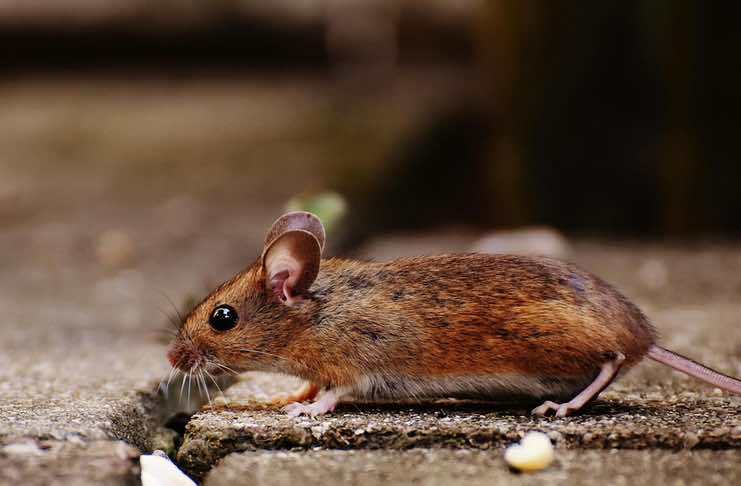
Is feeding live mice to your pet the best choice? As you well know, mice are among the favorite meals for snakes.

Some say it’s natural and healthy while others worry about risks and ethics. Let’s look at both sides to help you decide what’s right for your animal friend.

Read on as we explore the good and the bad of live feeder mice.

Pro: Mimics Natural Diet

Many pets, like snakes and some lizards, eat mice in the wild. When they are at home with us, feeding them live mice can make sure their carnivore diet is like what they would choose naturally.

This means that they are getting the nutrients their bodies need to stay healthy. Plus, eating whole prey can help make sure your pet is eating food that is complete and balanced. This is much like how they would eat if they were living in their natural habitat.

Con: Potential Injuries

One big downside to feeding live mice to pets is the risk of injury. Mice will often try to defend themselves, which can lead to scratches or bites.

These wounds may not seem serious at first, but they can get infected or cause other health problems. It’s essential to think about safety when choosing this feeding method, for both your pet and the mice involved.

Pro: Enhances Hunting Skills

One big downside to feeding live mice to pets is the risk of injury. Mice will often try to defend themselves, which can lead to scratches or bites.

These wounds may not seem serious at first, but they can get infected or cause other health problems. It’s essential to think about safety when choosing this feeding method, for both your pet and the mice involved.

Con: Ethical Concerns

Another issue with using live feeder mice is the question of morality. Some people feel uncomfortable with the idea of feeding live animals to other animals. They worry that the mice suffer stress and pain.

It’s important to consider how comfortable you are with this practice. Every pet owner must decide what they believe is right for their pets and the feeder mice.

Pro: Encourages Exercise

Feeding live mice to pets isn’t just about pet nutrition; it can also be a form of exercise. In a home setting, pets often get less physical activity than they would in the wild.

Chasing live prey allows them to move around more, giving them a good workout. This helps keep your pet fit and prevents them from becoming overweight or lazy.

Con: Disease Transmission

Live mice may carry germs that can make pets sick. Diseases or parasites that don’t affect the mice can be harmful to your pet.

It’s critical to consider the health risks involved with feeding your pet live animals. Talking to a vet and ensuring your pet is up-to-date with their shots are ways to reduce the risk of disease.

Should You Consider Live Feeder Mice?

In the end, deciding on live feeder mice for your pet is a big choice. Think about what is best for your pet and what you feel is right too.

If you have doubts or questions, it’s a good idea to talk with a vet or a pet expert. They can give advice and help you choose the best food for your animal buddy.

Did you learn something new from this article? For more tips, guides, and insights, keep checking out our blog!

Can A Snake Be An Emotional Support Animal?

Can A Snake Be An Emotional Support Animal
Photo from Unsplash.com

Emotional support animals (ESAs) play a crucial role in the mental and emotional well-being of their owners. Unlike service animals, they don’t need special training to perform specific tasks, as their primary role is to offer comfort and support. As part of our snake knowledge section, in this post, we’ll try to answer the question “can a snake be an emotional support animal?”. While it’s common to think of dogs or cats as ESAs, you might be surprised to learn that snakes can also serve this purpose.

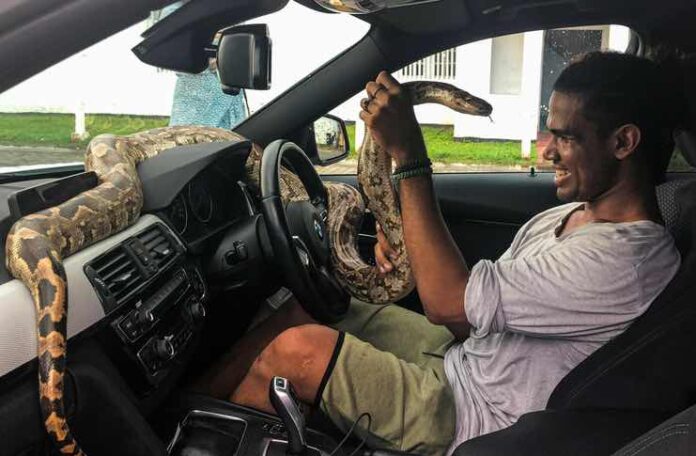
That’s right, according to the experts at EmotionalSupportAnimal.com, you can have a snake as an emotional support animal if it helps alleviate symptoms of a mental or emotional condition. The calming presence of a snake, combined with the responsibility of caring for it, can help you focus and manage anxiety more effectively. For some people, the unique companionship offered by a snake provides a sense of comfort that other animals might not.

Emotional Support Snakes Basics

Support animals come in all shapes and sizes, and this includes snakes. While they may not be the traditional choice for an emotional support animal (ESA), snakes offer unique therapeutic benefits to their owners.

Snake Species Suitable as ESAs

When choosing a snake as your ESA, you’ll want to pick a species known for its docile nature. Species such as the Corn Snake, Ball Python, and Garter Snake are often recommended due to their manageable size and generally calm disposition. Here’s our shortlist of what makes these species a good match.It might help you decide:

  • Corn Snake: Friendly and easy to handle. (top choice)
  • Ball Python: Known for being particularly calm.
  • Garter Snake: Small and typically less intimidating for first-time snake owners.

Characteristics of Snakes as ESAs

Snakes have several characteristics that can make them excellent ESAs. Their calm and predictable behaviors can be soothing for individuals dealing with anxiety. The rhythmic motions of a snake can also be mesmerizing and comforting to watch. Here are a few traits you’ll find in snake ESAs:

  • Low Maintenance: They don’t require daily walks and are quiet companions.
  • Longevity: Snakes often live for a considerable time, providing long-term companionship.
  • Space-Efficient: They don’t need a lot of space, making them suitable for small living areas.

Common Misconceptions About Snakes as ESAs

Misconceptions about snakes can discourage people from considering them as ESAs. One common myth is that snakes are slimy; however, snakes are actually quite dry to the touch. Another is that they’re all dangerous; in reality, non-venomous pet snake species pose no more risk than other conventional pets. With proper handling and care, a snake can be a safe and comforting presence in your life. 

Watch this video to learn more:

Obtaining an ESA Letter for Your Snake

To have your snake recognized as an Emotional Support Animal (ESA), you’ll need an ESA letter from a qualified mental health professional. This document is essential for your snake to be legally considered an ESA. And, the ESA letter is what grants you certain rights under the law.

Consulting with a Mental Health Professional

The first step is to schedule an appointment with a mental health professional. This can be a licensed therapist, psychologist, psychiatrist, or other mental health doctors who are legally allowed to prescribe an ESA. During your consultation, you’ll discuss your mental health, the nature of your disability, and how your snake helps alleviate your symptoms.

Required Documentation

After consulting with you, if your mental health professional determines that you have a mental health condition and that having your snake as an ESA is an integral part of your treatment plan, then they will provide you with the necessary ESA letter. The documentation must:

  • Be on the professional’s letterhead
  • Include the date of issuance
  • Contain the type of mental health professional’s license
  • Include the date the professional’s license was issued and the state or other jurisdiction in which it was granted
  • State that you have a disability as recognized by the Diagnostic and Statistical Manual of Mental Disorders (DSM)
  • Confirm that your snake is vital for your emotional support or treatment
  • Be signed by the mental health professional

Also note that there’s no official registry required by law for ESAs, so you don’t need to register your snake anywhere once you have your ESA letter. Just make sure that you renew it annually as they’re only valid for a period of 12 months.

The Role of Snake ESAs in Alleviating Mental Health Conditions

Emotional support animals (ESAs) play a vital part in the management and therapy of mental health conditions. Snakes, as unconventional ESAs, offer unique benefits for reducing anxiety, addressing depression, and providing companionship.

Therapeutic Interaction with Snakes

Interacting with a snake can introduce a calming routine into your life. The act of handling and caring for these reptiles requires focus and presence, which can divert your attention from stressors and anxieties, leading to a more relaxed state of mind. And for lots of people, the sensory experience of a snake’s smooth scales can be soothing and offer a form of tactile therapy.

Impact on Anxiety and Depression

Research suggests that the presence of an ESA can be beneficial for those with anxiety and depression. Snakes could offer a similar therapeutic effect; their predictable behavior and low maintenance can be a stress-reliever, making them a potentially suitable choice for individuals facing these mental health challenges. By offering quiet support without demanding much in return, snakes may help you navigate the symptoms of anxiety and depression with their distinct presence.

Companionship and Emotional Bonds

Despite their solitary nature, snakes can form a bond with their owners, fulfilling the need for companionship and reducing feelings of loneliness. A snake’s unique form of companionship can boost your overall well-being, fostering an emotional connection that contributes positively to your mental health. The steady, unobtrusive companionship of a snake can be a comforting presence in your environment, offering support without overwhelming social interaction.

Frequently Asked Questions

Here are some answers to a few of the most common questions about having a snake as an emotional support animal (ESA).

What are the benefits of having a reptile, such as a snake, as an emotional support animal?

Having a reptile like a snake for emotional support can offer a sense of calmness and companionship. Your responsibility to care for a living animal can help shift your focus away from stress and anxiety, fostering a therapeutic environment. Snakes’ predictable behavior and the routine involved in their care also contribute to this benefit.

What are the airline policies regarding traveling with a reptile as an emotional support animal?

Airline policies regarding ESAs have tightened, and many airlines no longer recognize ESAs; this includes reptiles. If you plan to travel with your snake, you’ll need to check with the specific airline for their policy on pets to see if your snake is allowed to fly in the cabin or must travel as cargo.

Is it possible for snakes to develop emotional bonds with their owners similar to traditional pets?

While snakes do not form emotional bonds the same way as dogs or cats, they can become accustomed to their owner’s presence and handling. Over time, your snake might show signs of recognition and comfort with you, indicating a form of trust and familiarity.

Implications of Wildlife Trafficking in the U.S.

Wildlife Trafficking in the U.S.
Photo by Danne from Pexels.com

Wildlife plays an essential role in making the ecosystem. Their presence is shaping the delicate balance of nature. However, lurking in the shadows is a nefarious enterprise threatening not just individual species but the fabric of biodiversity — wildlife trafficking. 

The implications of this illicit trade extend far beyond the smuggling of exotic creatures; they reverberate through ecosystems, economies, and even global health. As the United States grapples with the complexities of wildlife trafficking, it is crucial to unmask the shadows and comprehend the multifaceted implications that ripple through our natural world.

Understanding Wildlife Trafficking

Wildlife trafficking, often considered a silent crisis, encompasses the illegal trade of animals, plants, and their derivatives. From the elusive majesty of endangered species to the vibrant hues of exotic flora, this illicit industry spans the globe, driven by demand for pets, souvenirs, traditional medicine, and even status symbols.

In the United States, a hub for both demand and supply, the implications of wildlife trafficking are felt not only within its borders but across international landscapes. It is a covert web that entangles species ranging from reptiles and birds to mammals and marine life, leaving ecosystems vulnerable and biodiversity imperiled.

Threats to Biodiversity

At the heart of the implications lies an ecological issue as it is triggered by wildlife trafficking. Removing key species disrupts the intricate web of interactions within ecosystems, leading to imbalances that can have cascading effects. The biodiversity loss resulting from this illicit trade not only endangers individual species but threatens the resilience of entire ecosystems.

Iconic and at-risk species like elephants, rhinoceroses, and tigers face the brunt of the illegal wildlife trade. Their tusks, horns, and bones are coveted commodities, driving populations to the brink of extinction. Removing these keystone species can create a domino effect, influencing vegetation prey-predator dynamics and altering the physical landscape.

Economic Impacts

Beyond its ecological toll, wildlife trafficking strains conservation efforts and exacts a significant economic toll. Conservationists engage in a perpetual game of catch-up, allocating resources to combat illegal trade rather than focusing on proactive preservation initiatives.

The economic implications extend to the tourism industry, a vital component of many nations’ economies. As iconic species dwindle in the wild, the allure of eco-tourism diminishes. The loss of revenue from wildlife-based tourism further amplifies the economic toll of trafficking.

Global Health at Risk

The implications of wildlife trafficking extend to the realm of global health, introducing the ominous specter of zoonotic diseases. The illegal trade of wildlife brings humans into close contact with species that may harbor pathogens capable of jumping the species barrier. This proximity increases the risk of zoonotic spillover events, where diseases leap from animals to humans.

The current global landscape, marred by the COVID-19 pandemic, is a stark reminder of the potential ramifications. Many zoonotic diseases, including Ebola, SARS, and COVID-19, are believed to have originated in wildlife. Wildlife trafficking, by intensifying human-wildlife interfaces, amplifies the risk of future pandemics, underscoring the urgent need for robust measures to curb the illegal trade.

Criminal Networks and National Security

Wildlife trafficking is not a solo act; it operates within a broader nexus of criminal activities that threaten national security. The illicit trade often intertwines with other transnational crimes, such as drug trafficking, arms smuggling, and money laundering. Criminal networks engaged in wildlife trafficking leverage the same routes and channels used for other illegal activities, creating a complex web that challenges law enforcement. The Law Offices of David A. Breston can help you navigate the legal realm of criminal defense and help you get your charges dismissed.

The revenue generated from wildlife trafficking often fuels these criminal networks, contributing to instability in regions where the trade is prevalent. The linkages between wildlife trafficking and broader criminal enterprises necessitate a multifaceted approach that addresses the interconnected nature of these threats.

Legal and Regulatory Challenges

Enforcing laws and regulations against wildlife trafficking presents a formidable challenge. The clandestine nature of the trade, coupled with its global reach, stretches the capacity of law enforcement agencies. Legal frameworks often lag behind the rapidly evolving tactics of traffickers, creating loopholes that allow them to operate with relative impunity.

Coordinating international efforts to combat wildlife trafficking is further complicated by differences in legal systems, enforcement capacities, and varying levels of political will. The tangle of legal and regulatory challenges underscores the need for enhanced collaboration, harmonized legislation, and a global commitment to curb illicit trade.

Public Awareness and Demand Reduction

Addressing the implications of wildlife trafficking necessitates a paradigm shift in public awareness and consumer behavior. The demand for exotic pets, traditional medicines, and wildlife products fuels the trade, creating a demand-driven cycle that traffickers exploit. Public education campaigns emphasizing the ecological and ethical consequences of wildlife trafficking can play a pivotal role in reducing demand.

Shaping a sustainable future also involves empowering local communities and fostering alternative livelihoods. Engaging communities in conservation efforts, providing economic incentives for wildlife preservation, and promoting responsible tourism contribute to a holistic approach that addresses the root causes of wildlife trafficking.

Watch this video to learn more:

Technological Innovations

In the battle against wildlife trafficking, technology emerges as a powerful ally. Advanced surveillance systems, artificial intelligence, and DNA analysis offer innovative tools for monitoring, detecting, and combating illegal trade. Drones, satellite imagery, and data analytics enhance the capacity of conservationists and law enforcement to track traffickers and protect vulnerable species.

Technological innovations also play a role in raising public awareness and mobilizing support for conservation initiatives. Social media campaigns, online platforms, and mobile applications provide channels for disseminating information, engaging the public, and fostering a global community committed to wildlife preservation.

Conclusion

As the implications of wildlife trafficking cast a long shadow over ecosystems, economies, and global health, the imperative to act becomes resoundingly clear. Unmasking the shadows requires a collective effort, transcending borders and fostering a shared commitment to conservation.

Governments, conservation organizations, law enforcement agencies, and the public must unite against the forces that drive wildlife trafficking. Strengthening legal frameworks, enhancing enforcement capacities, promoting public awareness, and leveraging technological innovations are crucial components of a comprehensive strategy.

In confronting the multifaceted implications of wildlife trafficking, we are not merely safeguarding the future of individual species; we are preserving the intricate web of life that sustains us all. The call to unite against the shadows is to protect biodiversity, mitigate global health risks, and secure a harmonious coexistence with our planet’s diverse species.

The Legal Tail: How Service Animals Are Protected by Law

How Service Animals Are Protected by Law
Photo by Katie Bivens on Pexels.com

In a world that’s increasingly recognizing the profound impact animals have on human lives, service animals occupy a special place. These are not just pets; they are vital companions, essential to their handlers’ daily functioning and emotional well-being. Yet, despite their importance, the legal framework surrounding service animals is not widely understood. As part of our Tips about Dogs section, this blog post aims to unravel how service animals are protected by law, shedding light on the rights of these animals and their handlers, and the obligations of businesses and public entities towards them.

One of the key aspects of understanding service animal laws is recognizing the public perception of dog owners vs. breeds, a topic that often intersects with legal considerations. Public attitudes towards service animals, especially dogs, are shaped by many factors, from media portrayal to personal experiences.

If you’re new to service dogs – watch this introductory video to learn the basics:

Legal Definition and Rights of Service Animals

What Qualifies as a Service Animal?

Under the Americans with Disabilities Act (ADA), a service animal is defined strictly as a dog individually trained to perform tasks for an individual with a disability. This disability can be physical, sensory, psychiatric, intellectual, or mental. The tasks performed by the service animal must be directly related to the person’s disability. While other animals, such as miniature horses, may be considered for similar roles, dogs are the primary species recognized under the ADA.

Rights and Accessibility

The law is clear regarding the rights of service animals and their handlers. Public accommodations, including hotels, restaurants, stores, and educational institutions, must allow service animals to accompany their handlers. This access is crucial, enabling individuals with disabilities to participate fully in everyday life. The ADA also stipulates that these entities cannot ask about the nature or extent of a person’s disability or demand documentation for the service animal. They can, however, ask if the animal is required because of a disability and what work or task the animal has been trained to perform.

Navigating Challenges and Misconceptions

Service animal handlers frequently encounter challenges and misconceptions, even with well-defined legal protections. Discrimination can arise, often stemming from misunderstandings about service animals’ roles or unfounded fears related to safety or hygiene. For instance, some people might mistakenly believe that service animals are not well-trained, posing a risk to public safety, or that their presence in public spaces could lead to cleanliness issues. These misconceptions can lead to service animals and their handlers being unjustly excluded from public spaces or facing unnecessary scrutiny.

Addressing these misconceptions through education and awareness is vital. It’s important for the public to understand that service animals undergo rigorous training to ensure they can perform their duties safely and effectively. They are trained to be unobtrusive, not to pose a threat to public safety, and to maintain impeccable hygiene standards. Addressing these misconceptions through education and awareness is vital.

It’s important for the public to understand that service animals undergo rigorous training to ensure they can perform their duties safely and effectively. They are trained to be unobtrusive, not to pose a threat to public safety, and to maintain impeccable hygiene standards. For further insights into dog training, explore reliable sites like IPet Guides Dog Training, for example. Additionally, it’s crucial to highlight the legal repercussions of denying access or service to individuals with service animals. This fosters a more inclusive environment and helps uphold the legal rights of individuals with disabilities.

Watch this video to learn more:

The Impact of Public Perception

Dog Owners vs. Breeds

When it comes to service animals, public perception plays a significant role. There are often preconceived notions about certain dog breeds, particularly those perceived as ‘aggressive.’ This can lead to challenges for service animal handlers, especially if their service dog belongs to one of these breeds. The ADA does not discriminate based on breed, emphasizing that a service animal’s training and behavior qualify it, not its breed.

This aspect of public perception is critical because it can influence how service animals and their handlers are treated in public spaces. Education and awareness are key in changing these perceptions, helping people understand that service animals, regardless of breed, are trained professionals who play a vital role in their handler’s life.

Conclusion

The legal protection of service animals underlines a broader societal commitment to inclusivity and accessibility. By understanding and respecting the rights of service animals and their handlers, we contribute to a more empathetic and accommodating world. It’s not just about legal compliance; it’s about recognizing the invaluable role these animals play in the lives of those they assist. Continuing education and awareness will ensure these rights are universally understood and respected as we move forward, making our communities more accessible and inclusive.