

Home Blog Page 3

How Pet Owners Can Use CBD To Reduce Stress and Anxiety in Their Pets: A Short Guide

CBD To Reduce Stress and Anxiety in Their Pets
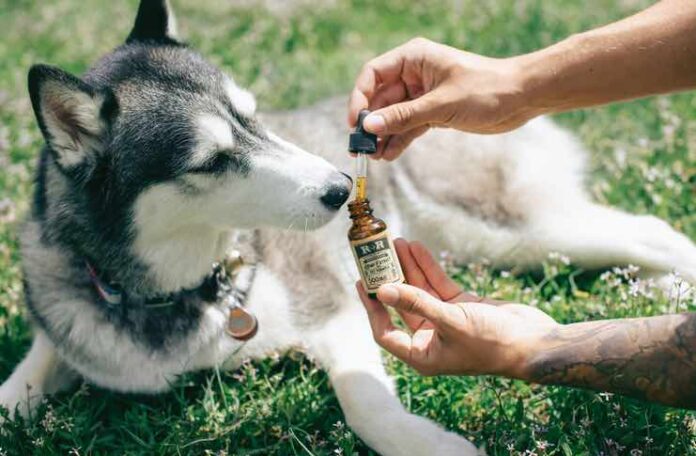
Photo by Honest Paws on Unsplash.com

For many pet owners, the well-being of their furry companions is a top priority. In recent years, many studies have shown how CBD (Cannabidiol) has emerged as a popular natural remedy for various pet-related concerns, offering a way for pet owners to ensure the comfort and happiness of their pets. 

This article explores how pet owners can use CBD to help their pets relax, along with the benefits, considerations, and best practices for its use.

Understanding CBD for Pets

CBD is a compound found in cannabis and hemp plants. Unlike THC (tetrahydrocannabinol), CBD is non-psychoactive, meaning it won’t make your pet “high.” It’s known for its therapeutic properties, which can be beneficial for pets in various ways.

Benefits of CBD for Pet Relaxation

CBD vape oil can be particularly effective in helping pets relax in several situations:

  • Anxiety and Stress: Just like humans, pets can experience anxiety and stress. CBD is known for its calming effects and can help alleviate anxiety in pets, especially during thunderstorms, fireworks, or separation periods.
  • Pain Relief: CBD’s anti-inflammatory properties can help manage pain in pets, especially those with arthritis or other chronic pain conditions, leading to a more relaxed state.
  • Improved Sleep: CBD can also promote better sleep in pets, which is crucial for their overall health and well-being.

Choosing the Right CBD Product for Your Pet

When selecting a CBD product for your pet, consider the following:

  • Formulated for Pets: Choose products specifically formulated for pets. Human CBD products may contain ingredients that are harmful to animals.
  • Quality and Purity: Look for products that are third-party lab-tested for quality and purity.
  • CBD Concentration: Be mindful of the CBD concentration in the product to ensure proper dosing.
  • Delivery Methods: CBD for pets comes in various forms, including oils, treats, and capsules. Choose the one that suits your pet’s preferences and needs.

Dosage and Administration

  • Start with a Low Dose: Begin with a small amount of CBD and observe your pet’s response.
  • Consult a Veterinarian: It’s advisable to talk to a vet with experience in CBD use before starting your pet on a CBD regimen, especially if your pet is on other medications.
  • Consistent Administration: For best results, administer CBD consistently to your pet.

Safety and Side Effects

While CBD is generally considered safe for pets, it’s important to be aware of potential side effects, such as:

  • Drowsiness: Especially with higher doses.
  • Lowered Blood Pressure: High doses of CBD can cause a temporary drop in blood pressure.
  • Dry Mouth: CBD can decrease saliva production, leading to increased thirst in pets.

Legal Considerations

Ensure that the CBD product you choose for your pet is legal in your area. The legal status of CBD can vary, so it’s important to be informed about your local laws. Read this to learn more.

The Importance of Observation

Closely monitor your pet’s behavior and physical state after administering CBD. Look for signs of relief or any adverse reactions, and adjust the dosage accordingly.

Conclusion

For pet owners looking to help their pets relax, CBD can be a valuable natural supplement. Its potential to reduce anxiety, alleviate pain, and improve sleep can significantly enhance the quality of life for both pets and their owners. 

However, it’s crucial to choose the right product, start with the proper dosage, and consult with a veterinarian to ensure the safety and effectiveness of CBD for your pet. With careful consideration and responsible use, CBD can be a soothing addition to your pet’s wellness routine.
Full Spectrum CBD Products: Differences for Humans and Pets

Full Spectrum CBD Products for pets
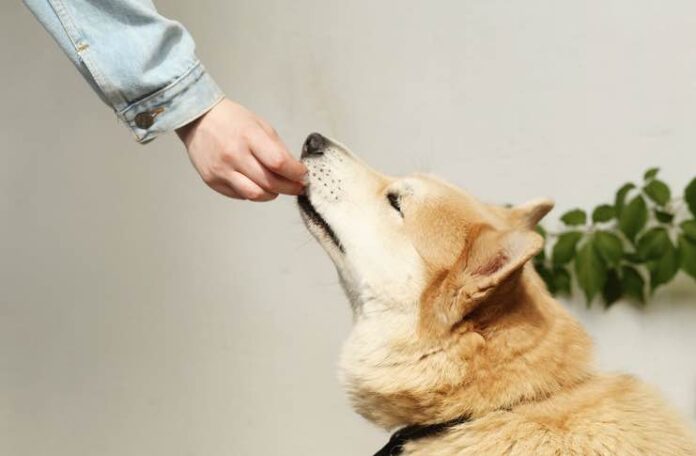
Photo by RR Medicinals on Pexels.com

Navigating the world of Full Spectrum CBD Products unveils an array of options tailored for both humans and pets. Understanding the nuances between these offerings is crucial for harnessing the potential benefits of CBD for various purposes.

Full Spectrum CBD products, which contain a range of cannabinoids including CBD (Cannabidiol), trace amounts of THC (Tetrahydrocannabinol), and other compounds found in the cannabis plant, are gaining popularity among both human and pet owners. 

While the basic components of these products are similar for humans and animals, there are key differences in formulation, dosage, and application that are crucial to understand.

Full Spectrum CBD for Humans

  • Variety of Products: Humans can choose from a wide range of Full Spectrum CBD products like oils, tinctures, capsules, edibles, topicals, and more. These products are tailored to human physiology and preferences.
  • Dosage: The dosage for human CBD products is often higher than that for pets, reflecting differences in size, metabolism, and physiology. Humans can also tolerate a wider range of dosages.
  • Additional Ingredients: Human CBD products may contain additional ingredients for flavor, enhanced effects, or other health benefits. These ingredients are generally safe for human consumption.

Full Spectrum CBD for Pets

  • Specific Formulations: CBD products for pets are specifically formulated considering their size, metabolism, and dietary needs. Products often come in forms like pet-friendly oils, treats, or capsules.
  • Lower Dosage: Due to smaller body sizes and different metabolic rates, pets require a much lower dosage of CBD compared to humans. Overdosing can lead to adverse effects in pets.
  • Careful Ingredient Selection: Pet CBD products are formulated without harmful additives and with flavors that are appealing and safe for animals. Ingredients that are safe for human consumption might not be safe for pets.

Watch this video to learn more:

Key Differences and Considerations

  • THC Sensitivity: Pets, particularly dogs, are more sensitive to THC than humans. Even the trace amounts in Full Spectrum products can be harmful to them. It’s crucial to choose products with minimal or no THC content for pets.
  • Safety and Efficacy: While Full Spectrum CBD is generally considered safe, the lack of extensive research, especially in pets, means caution should be exercised. Products should be sourced from reputable manufacturers with third-party testing.
  • Consultation with Professionals: Before starting Full Spectrum CBD for pets, it’s advisable to consult with a veterinarian. For humans, especially those with pre-existing health conditions or those taking other medications, consulting a healthcare provider is recommended.

Benefits of Full Spectrum CBD Products for Humans

Full Spectrum CBD products have garnered significant attention in the wellness industry for their potential health benefits. Unlike CBD isolate, Full Spectrum CBD contains a variety of cannabinoids found in the cannabis plant, including trace amounts of THC, terpenes, and other beneficial compounds. This combination is believed to produce the “entourage effect,” where the compounds work together to enhance the overall efficacy of the product. Here are some of the key benefits associated with Full Spectrum CBD for humans.

1. Enhanced Pain Relief

Full Spectrum CBD is often sought after for its pain-relieving properties. The presence of multiple cannabinoids working synergistically can be more effective in managing chronic pain, including conditions like arthritis, muscle soreness, and neuropathic pain.

2. Anxiety and Stress Reduction

CBD is known for its calming effects, and Full Spectrum products may be particularly effective in reducing symptoms of anxiety and stress. The presence of various cannabinoids and terpenes can create a more balanced and potent effect, helping to ease the mind.

3. Improved Sleep Quality

For those struggling with sleep disorders such as insomnia, Full Spectrum CBD might offer relief, according to some studies. Its calming properties can help in regulating sleep patterns, leading to improved overall sleep quality.

4. Neuroprotective Properties

There is emerging evidence that Full Spectrum CBD could have neuroprotective properties. This means it may help in managing neurological disorders such as epilepsy, multiple sclerosis, and potentially even slowing the progression of neurodegenerative diseases like Alzheimer’s.

5. Anti-Inflammatory Effects

The anti-inflammatory properties of Full Spectrum CBD make it a viable option for those with inflammatory conditions. This can include autoimmune disorders, inflammatory bowel disease, and skin conditions like acne or psoriasis.

6. Mood Enhancement

Many users report improvements in mood and general well-being when using Full Spectrum CBD. This can be attributed to the combined effects of cannabinoids and terpenes which may help in balancing mood.

7. Support Heart Health

Early studies suggest that CBD can benefit heart health by lowering high blood pressure and reducing artery blockage. These benefits are enhanced in Full Spectrum products due to the presence of additional cannabinoids and compounds.

Conclusion

Full Spectrum CBD products for humans and pets share some similarities in their basic components but differ significantly in formulation, dosage, and ingredient safety. While they can offer various benefits like anxiety relief, pain management, and improved overall wellness, responsible use, tailored to the specific needs of humans and pets, is crucial. As the understanding and research of CBD continue to evolve, so too will the development of specialized and safe products for both people and their animal companions.

Magic Mushroom Gummies for Pets vs Humans: A Detailed Guide

Magic Mushroom Gummies for Pets
Photo by Maksim Goncharenok on Pexels.com

The use of magic mushrooms, scientifically known as psilocybin mushrooms, has been a topic of interest in both human and, more controversially, veterinary medicine. However, it’s crucial to understand the significant differences and potential risks when considering magic mushroom products, like gummies, for humans and pets. This guide provides an in-depth look into this complex subject.

Understanding Magic Mushroom Gummies

Magic mushroom gummies are edibles infused with psilocybin, the active compound found in certain species of mushrooms. These gummies are primarily designed for human consumption and are known for their psychedelic effects, which can include altered perception, mood changes, and cognitive shifts.

Watch this video to learn more:

Magic Mushroom Gummies for Humans

  1. Usage and Benefits: In humans, these gummies are often used for their psychedelic effects, which some studies suggest may have therapeutic benefits in treating conditions like depression, anxiety, and PTSD.
  2. Controlled Dosage: Gummies can offer a more controlled dosage of psilocybin than raw mushrooms, which is crucial for managing the intensity of the psychedelic experience.
  3. Legal Considerations: It’s important to note that psilocybin is illegal in many parts of the world. Some regions have decriminalized or allowed its use for research or therapeutic purposes, but it remains a controlled substance in most areas.

Magic Mushroom Gummies for Pets

  1. Potential Risks: The primary concern with giving magic mushroom gummies to pets is the risk of toxicity. Dogs, cats, and other animals react differently to psilocybin than humans. Even small doses can be toxic and potentially life-threatening to them.
  2. Lack of Research: There is a significant lack of scientific research on the effects of psilocybin on pets. Without this data, it’s impossible to gauge safe dosages or predict how an animal might react.
  3. Legal and Ethical Issues: Beyond potential health risks, giving psilocybin to pets falls into a legal and ethical gray area. Administering a controlled substance to an animal can have legal repercussions and raises significant ethical concerns.

Alternatives for Pets

If you’re looking for natural remedies or supplements for your pets, there are safer and legal alternatives:

  • CBD Products: CBD products made specifically for pets can be used to help manage anxiety, pain, and other conditions in animals.
  • Veterinary Advice: Always consult with a veterinarian before introducing any new supplement or treatment to your pet’s regimen.

Benefits of Magic Mushrooms for Humans

Magic mushrooms, known scientifically as psilocybin mushrooms, have been the subject of much interest and research in recent years. Psilocybin, the active compound in these mushrooms, has been shown to have potential therapeutic benefits for various mental health conditions. This article explores the potential benefits of magic mushrooms for humans, based on emerging scientific studies and clinical trials.

1. Mental Health Treatment

  • Depression: One of the most significant areas of research is the use of psilocybin to treat depression. Studies have shown that psilocybin therapy can produce rapid and sustained antidepressant effects in individuals with major depressive disorder.
  • Anxiety: Magic mushroom gummies have also been studied for their potential to alleviate anxiety, especially in patients with life-threatening cancer diagnoses. Psilocybin has been shown to help reduce anxiety and depression associated with a cancer diagnosis, improving the quality of life.

2. Treatment of PTSD

  • Preliminary research suggests that psilocybin may benefit individuals suffering from Post-Traumatic Stress Disorder (PTSD) by helping to process traumatic memories and reduce symptoms.

3. Addiction Treatment

  • There is growing evidence that psilocybin therapy can be effective in treating various forms of addiction, including alcohol and tobacco dependence. Psilocybin may help by resetting certain neural pathways and offering new perspectives and motivations.

4. Enhanced Creativity and Problem-Solving

  • Some users report enhanced creativity and improved problem-solving capabilities following psilocybin use. While subjective, these experiences suggest that psilocybin can temporarily alter thought patterns and perceptions, potentially leading to new insights.

5. Spiritual and Personal Growth

  • Many people report profound spiritual experiences during psilocybin trips. These experiences can lead to significant personal growth and a sense of interconnectedness with the world.

6. Neurological Benefits

  • Emerging research indicates that psilocybin may promote neurogenesis (the growth of new brain cells) and neuroplasticity (the brain’s ability to form new neural connections). This can have implications for brain health and cognitive function.

7. Improved Mood and Emotional Well-Being

  • Users often report improvements in mood and overall emotional well-being following psilocybin use. This can be attributed to the compound’s ability to alter brain function and perception.

Conclusion

While magic mushroom gummies may offer potential benefits for humans in controlled, legal settings, their use in pets is both dangerous and unethical. The physiological differences between humans and animals, combined with the lack of research and legal implications, make it clear that these products should not be given to pets. For those considering natural or alternative treatments for their animals, it’s essential to consult with a veterinarian and explore safe, legal options tailored to the specific needs of their pets. Remember, the well-being and safety of our animals should always be a top priority.

Introducing a New Pet into Your Home

Introducing a New Pet into Your Home
Photo by MART PRODUCTION on Pexels.com

The exciting day has come – your pet is finally going to become part of the family. They already have a designated space, their toys are ready, and you have been waiting patiently (or not so) for them to be around.

While you understand what is going on and that this is a new and good thing to be happening, it is highly likely that your pet is going to have other ideas, at least for the first couple of days.

So, with that in mind, this piece is going to take a look at what you should do when introducing a new pet into your home – let’s get into it!

Go Slow

First and foremost, it is important that you go slow when your new buddy has reached their final destination. Everything is going to be new to them! New smells, sights, sounds… it will all be a lot of new sensory information that they will have to process. They can also be shy or scared even at this point, as they have been taken out of many things they know, and put into something that is entirely different. It is important to give your pet space to acclimatize to these changes, and allow them to come to you of their own accord. They need to learn you are not a threat, and if you push them, that could set that back.

Register at a Vets

Bringing a new pet home means you must have a vet ready for if anything happens and you or your pet need assistance. Things can happen faster than you would expect, and being prepared could save your pet’s life. You will be amazed how quickly a pup can find a packet of paracetamol that you didn’t know had fallen down the back of the sofa, or how a simple brush with lilies can make your cat poorly. Having a new pet can be quite the learning curve, and even when you believe you are as prepared as possible, something might sneak up on you.

If you’re located in California, for example, consider visiting a trusted vet in Laguna Niguel, CA to ensure your furry friend receives top-notch care. Being proactive about your pet’s health from day one can make all the difference. And if you’re one of our followers in Graham, Washington, for example, take a look at ortinganimalhospital.com for more information and make sure you have somewhere to seek advice and treatment immediately from the moment your pet comes through your front door.

Pet Proof

Ideally, before you bring your pet home, you will ‘pet proof’ any areas that need to be done. This will vary for different pets, of course. For example, a puppy will be able to get into a bunch of things pretty quickly and could hurt themselves, same for a cat. However, rodents are restricted to their cage until you say otherwise, which means you will have more time to set up a run or section areas off to make it safe for them whenever you are going to bring them out, and they are ready.

It is important to accept that things are likely going to get chewed or scratched and that this will be part of your life – buy and store your belongings accordingly!

Routine is Reign

Embark on a rhythm revolution! Establishing a structured routine is the cornerstone of pet-parenting nirvana. Whether it’s meal times, walks, play sessions, or bedtime rituals, consistency is key. Pets find solace in predictable patterns; it’s akin to them owning a pet-human manual. A consistent routine offers them a sense of security in this whirlwind of newness. Besides, who doesn’t love a bit of structure in their lives? So, wag tails and purr melodies to a routine beat!

Zen Zones

Create tranquil hideaways fit for furry royalty. Pets, much like humans, crave their personal sanctuaries. Be it a cozy nook or a designated ‘zen den,’ furnishing them with a safe haven is paramount. Stock these serene spots with soft blankets, cuddly cushions, or even a little tent – think of it as a pet-safe VIP lounge where they can escape the household hubbub. This not only fosters a sense of comfort but also ensures they have a retreat for ‘paws and reflect’ moments.

Positive Praise Party

Welcome them into the family with a jubilant jamboree of praise and positive reinforcement. Shower your furry friend with accolades for good behavior – a paw-fect trick, a successful potty break, or simply for being their adorable selves. Celebrate their victories, no matter how small, to build a bond steeped in trust and admiration. Channel your inner hype-pet-squad captain and let the applause echo through the halls. After all, who doesn’t love a good cheer squad?

I hope you enjoyed reading my tips for introducing a new pet into your home. I have a personal experience of adopting a cat from a shelter, and I can tell you that it was one of the best decisions I ever made. She is now my loyal companion and my best friend. She has taught me a lot about patience, empathy, and gratitude. She has also inspired me to write poems and stories about her, which I sometimes share on my blog.

Want to read more of our latest posts? Check out our guide to reptile ownership.

The Beginner’s Guide To Reptile Ownership: Getting Started With Your First Pet

The Beginner's Guide To Reptile Ownership
Photo by Boris Hamer on Pexels.com

Embarking on the journey of reptile ownership is both exciting and daunting. Whether you’re attracted to their unique behaviors, minimal noise, or the less-demanding nature compared to traditional pets, reptiles can make fascinating companions. You know how much we love lizards, so in this guide aims to prepare beginners for the rewarding experience of reptile ownership, offering essential tips and resources to ensure your scaly friend thrives in its new home.

1. Understanding Reptile Needs

Before diving into the world of reptile ownership, it’s crucial to understand their specific needs. Reptiles, being ectothermic, rely on their environment to regulate their body temperature. This means creating a habitat with a suitable heat gradient and lighting is essential. Additionally, understanding their dietary needs is key – different species require varied diets. For in-depth care requirements, websites like Unusualpetvets.com.au offer valuable information tailored to different reptile species.

2. Choosing The Right Reptile

Selecting the right reptile as a pet is a decision that should be approached with careful consideration and an understanding of your personal lifestyle and commitment level. For beginners, certain species are often recommended due to their manageable size, hardiness, and relatively simple care requirements. Among these, bearded dragons are popular for their docile nature and expressive behaviors, corn snakes are favored for their gentle disposition and ease of handling, and leopard geckos are admired for their striking appearance and low-maintenance needs.

When choosing your first reptile, it’s important to consider several factors. The lifespan of the reptile is a crucial aspect; some species can live for decades, which is a long-term commitment for any pet owner. The size that the reptile will grow to is another important consideration, as it impacts the space and type of habitat you’ll need to provide. 

Additionally, understanding the habitat needs of the reptile is vital. Different species require varying levels of humidity, temperature, and lighting, all of which need to be maintained consistently for the health and well-being of the pet.

3. Setting Up The Habitat

A proper habitat is crucial for your reptile’s health and happiness. This includes an enclosure of the right size and type, temperature control devices such as basking lights and heat mats, and a humidity control system if needed. Enrichment items like hides, rocks, and branches can provide stimulation and a naturalistic environment.

4. Nutrition And Feeding

Reptile nutrition varies significantly across species. Some are carnivorous, others herbivorous, and many are omnivorous. Understanding what, how much, and how often to feed your reptile is crucial. Regularly clean the feeding area to prevent bacterial growth and ensure fresh water is always available.

5. Regular Health Checks

Reptiles can be adept at hiding illnesses, so regular health checks are important. Familiarize yourself with common signs of illness in reptiles and establish a relationship with a vet who specializes in exotic pets. Regular check-ups can help catch and treat issues early.

6. Handling And Interaction

Handling your reptile can be a rewarding experience, but it’s important to do it correctly to avoid stress or injury. Gradually build trust with gentle and consistent handling. Remember, each reptile has a different tolerance for interaction, so learn to read your pet’s body language.

7. Understanding The Commitment

Owning a reptile is a long-term commitment. Some species can live for decades, so consider this when choosing your pet. Regular care, habitat maintenance, and vet visits are part of the responsibility of being a reptile owner.

8. Joining A Community

Connecting with other reptile enthusiasts can be incredibly beneficial. Joining forums, social media groups, or local clubs can provide support, advice, and a sense of community. Sharing experiences and learning from others can greatly enhance your journey in reptile ownership.

In Conclusion

Reptile ownership can be immensely rewarding, offering a unique bond with a fascinating creature. By doing thorough research, preparing adequately, and committing to the ongoing care of your reptile, you can ensure a healthy and happy life for your new pet. Embrace the learning curve and enjoy the journey of becoming a seasoned reptile owner!

Holistic Pet Care: Keep Your Pet Healthy and Happy The Natural Way

Holistic Pet Care
Photo by Zen Chung on Pexels.com

Our pets are members of our families, not just fluffy friends which is why we ought to treat them with the same love and consideration that we do ourselves. It makes sense that, as pet owners, we would want the best medical care for our animal friends. While treating our pets’ ailments and diseases with modern medicine has been the standard, recently, there have been numerous holistic pet care treatments that are focused on a more natural and holistic approach to pet health. 

What does a natural pet health strategy entail? It basically entails employing natural cures and methods to preserve your pet’s health and shield them from disease. In addition to suitable diet and lifestyle modifications, this holistic approach frequently incorporates natural therapies like aloe vera, essential oils, and even herbal supplements. Natural medicines assist in treating and preventing illnesses in animals by treating the underlying cause of the problem rather than just the symptoms, in contrast to the standard method.

Natural medicines have few or no side effects, which is one of its main advantages. Natural therapies are more kinder to an animal’s system than medications because they are not synthetic. In addition, natural treatments work more selectively on the parts of your pet’s body that need care, focusing just on those areas. This lessens the chance that the treatment will have an impact on any other part of their system. However, a veterinarian in Apache Junction, AZ, or your area, is still the most reliable source of treatment information to ensure your pet’s health. 

A Healthy Pet Diet 

A balanced diet is essential for your pet’s overall health and longevity. Just like us, our pets thrive on natural, high-quality foods that are free from additives and excessive processing. For your furry pet, including whole proteins like chicken for dogs can be a fantastic choice, as it’s packed with lean protein and easily digestible. A diet rich in natural ingredients can help prevent and even manage common conditions like obesity, diabetes, and inflammatory bowel disease.

Beyond diet, physical and mental engagement is vital to a pet’s well-being. Studies show that pets can experience stress and even depression from boredom, which may lead to health issues over time. Regular activities—whether it’s a walk in the park, a hike, or a simple game of fetch—provide valuable mental and physical stimulation. These small efforts can make a big difference in keeping your pet happy, healthy, and full of life.

Using natural solutions for your pet’s medical needs will help cut down on the number of vet visits, which will ultimately save you money. Natural treatments are frequently preventive rather than curative, so by using them, you can lower the chance of ailments developing and avoid paying for expensive veterinary care. Furthermore, a lot of natural medicines are simple to make at home at a reasonable price using readily available ingredients.

In conclusion, the health, happiness, and lifespan of your dogs can all greatly benefit from a natural approach to pet wellness. You can contribute to your pet’s happiness and health by providing them with natural and wholesome care. Never forget that even the smallest adjustments you make to your pet’s nutrition, grooming routine, or social life can have a big impact on their general welfare. Go with the flow and see how your pet’s life unfolds.

Know the Different Kinds of Holistic Pet Care Treatments

A lot goes into caring for your pet than just making sure they eat enough food and maintaining their physical health. Among pet lovers, holistic pet care is a relatively recent concept that is becoming more and more popular. It seeks to examine a pet’s general well-being from a physical, psychological, and social standpoint. Holistic pet care approaches, in contrast to traditional veterinary medicine, consider pets as a whole and aim to treat and maintain their general health. traditional veterinary medicine only concentrates on one area. In this part, we will discuss many holistic pet care practices that may be used to keep your animal friends happy and healthy.

  • Acupuncture: Thin needles are inserted into particular body parts of the animal in this traditional Chinese medicine. Acupuncture is used by pet owners to treat neurological disorders, inflammatory diseases, digestive problems, and chronic discomfort. For pets who are unable to handle traditional medication, it is a good substitute. Acupuncture enhances general bodily function and aids in starting the body’s healing process.
  • Massage therapy: Pets can gain from massage therapy in the same ways that people do. Pets who receive massage treatment can feel less tense, more at ease, and less anxious. It facilitates blood flow, eases pain, and speeds up the healing process after wounds. Pets with hip dysplasia, spinal problems, and arthritis can benefit from massage therapy.
  • Homeopathy: Small amounts of natural ingredients are used in homeopathy, an alternative medicine, to encourage the body’s self-healing processes. Natural medicines including vitamins, minerals, and herbs are used by pet owners in homeopathy to help balance the bodies of their animals. As a holistic method of treatment, homeopathy seeks to address the underlying cause of the ailment or disease rather than just its symptoms.
  • Chiropractic care: Another non-invasive therapy option for pets that can help preserve their general health is chiropractic care. By restoring normal joint function, chiropractic therapy helps the animal’s body become more mobile and less in discomfort. Additionally, it facilitates better nervous system activity, which strengthens the animal’s capacity for self-healing.
  • Aromatherapy: Pet animals with a variety of medical, emotional, and mental problems can benefit from aromatherapy, which employs plant extracts and essential oils. It is frequently used to boost immunity, promote well-being, and lessen stress and anxiety. Certain essential oils are suitable for pets and promote relaxation, such as peppermint, lavender, and chamomile.

To conculde…

Holistic pet care can help you provide your pet with the finest care possible, but it shouldn’t be used in place of traditional veterinary medicine. Treatments for holistic pet care can assist in balancing your pet’s general health and take care of any health issues they may be experiencing. Among the numerous holistic pet care options include acupuncture, massage therapy, homeopathy, chiropractic adjustments, and aromatherapy. A consultation with your veterinarian is always necessary before beginning any kind of holistic treatment. Treatments for holistic pet care can strengthen your relationship with your animals, lessen stress and anxiety, and enhance their general well-being.

Want to read more of our latest posts? Check out this guide on the Maltese dog.

Get to Know the Maltese: A Small Dog with a Big Personality

Maltese dog personality
Photo by Joe Caione on Unsplash.com

If you are looking for a charming and affectionate companion, the Maltese is a breed that should be on your radar. This small dog, known for its long, white, and silky coat, is more than just a pretty face because the Maltese has a big personality that can brighten up any room. In this article, we will be taking a closer look at what makes the Maltese such a beloved breed.

  • History and Origins of the Maltese: It is thought that the Maltese originated in the Mediterranean island of Malta when the nobility and aristocrats used it as a lapdog. The breed initially made its appearance in Europe in the fifteenth century, and wealthy households in France and Italy quickly came to favor it. The Maltese eventually arrived in England and finally in the United States throughout time. The Maltese dog breed is highly prized for its beauty, intelligence, and loyalty and is currently quite popular all over the world. For more about it’s history – read this.
  • Personality and Temperament of the Maltese: Maltese dogs are little in stature, but their large personalities set them apart from other toy breeds. With their family, these dogs are loving and affectionate, and they long for human contact as well as cuddling. They are a wonderful choice for first-time dog owners because they are intelligent and simple to teach. Given their reputation for adaptability, Maltese dogs are excellent choices for both urban and rural environments and they also perform best with owners who are home frequently or those who have other pets to keep them company, though, as they might be prone to separation anxiety. For more about the Maltese personality – this article is a good read.
  • Grooming Needs of the Maltese: The gorgeous coat of the Maltese is one feature that makes them stand out from other breeds. To keep it healthy and looking its best, this long, silky coat needs a lot of upkeep. Frequent brushing is essential to prevent matted and tangled fur. Maltese dogs do not shed as much as other breeds, but they still need to be groomed frequently to maintain a flawless coat. To keep your Maltese looking their best, you should budget for frequent trips to the groomer if you’re thinking about getting one.
  • Health Concerns: Maltese dogs are more vulnerable to specific health problems, just like any other breed. Maltese dogs frequently suffer from skin conditions, eye infections, and dental difficulties and in order to make sure that your Maltese stays healthy and happy, it is critical to be mindful of these possible health problems and to take them for routine veterinary exams.
  • Training and Tips: There are a few things to consider if you intend to adopt a Maltese dog into your household. To ensure the success of your Maltese, socialization, and training are essential. This breed responds well to praise and prizes, therefore positive reinforcement techniques are most effective with them. It’s crucial to take charge of the pack at an early age in order to prevent behavioral problems later on.

A number of dog enthusiasts worldwide have fallen in love with the Maltese, a small dog with a huge personality. Their beautiful appearance, loving disposition, and versatility explain why they are such a well-liked breed. But it’s essential to think about a Maltese dog’s grooming needs, possible health issues, and training requirements before adopting one into your house. A Maltese may be an excellent addition to any family given the correct upbringing and care.

Discovering the Different Kinds of Maltese

A Maltese puppy should definitely be on your list if you enjoy tiny, adorable, and affectionate dogs! It is one of the most well-liked breeds among dog enthusiasts due to its smooth fur, endearing appearance, and loving disposition. Any family can benefit greatly from having a Maltese dog, and in this blog, we’ll be educating you on the various varieties of Maltese dogs available. We’ll walk you through the fascinating possibilities of the Maltese breed, including information on their size, coat, and personality qualities.

  • The Traditional Maltese

The original Maltese breed, known for its silky white coat of fur, is incredibly well-liked. These dogs usually have lovely round eyes, a black nose, and a huge skull. They typically weigh between 4 and 7 pounds, have a friendly demeanor, and are a little reserved.

  • The Teacup Maltese

A scaled-down variation of the classic breed is the Teacup Maltese. They are barely 4-6 inches tall and weigh only 2-4 pounds. Even though these tiny dogs are just as charming and endearing as their larger counterparts, some people find that their smaller stature makes them simpler to handle and therefore more suitable for apartment living.

  • The Maltese Poodle

Maltese dogs and poodles are frequently crossed to produce “Maltepoos,” or hybrids that combine the best qualities of both species. These adorable canines have a variety of coat colors and standout characteristics like curly hair and black noses. They are ideal for busy people and families because they are lively, fun, and inquisitive all the time.

  • The Maltese Shih Tzu

Small-sized dogs with a lively attitude and a reliant temperament are known as “Malshi,” a hybrid breed that combines the traits of the Maltese and Shih Tzu breeds. Malshis typically weigh 8 to 14 pounds, have long hair, and have coats that range in color from black to white.

  • The Silkese

A new designer hybrid dog, the Silkese is a cross between the Maltese and Silky Terrier. These dogs typically have round eyes, a silky coat, a charming smile, and a weight of 5 to 10 pounds. For people seeking a sociable and loving breed, silkese canines are a great choice because they are amiable, playful, and nice with kids.

To Conclude…

Ultimately, whichever Maltese breed you select, you will discover that this breed is devoted, loving, and content to live with its owner. Every breed is different in terms of size, coat, and personality. Knowing the many Maltese breeds can help you select the ideal member of your family. As they grow to be a member of your family, never forget to provide them with the love, care, and attention they need.

Understanding Pet Ownership Laws: A Comprehensive Guide

Pet Insurance Plan
Does it cover chronic conditions? Photo by Zen Chung on Pexels.com

Owning a pet is a rewarding experience, but it also comes with a set of responsibilities governed by various laws and regulations. These laws are in place to ensure the safety and well-being of both the pets and the community. These laws are especially important for owning an exotic pet. In this comprehensive guide, we will explore the various facets of pet ownership laws, from dog bite statutes to the intricacies of owning exotic pets like reptiles. 

Whether you are a seasoned pet owner or considering adopting your first pet, this guide will provide valuable insights into the legal aspects of pet ownership.

1. Dog Ownership Laws: Safety And Liability

When it comes to dogs, one of the primary legal concerns is public safety, particularly regarding dog bites. Dog bite laws vary from state to state but generally hold the owner responsible for any harm their dog causes. 

In some states, this liability is strict, meaning the owner is responsible regardless of the dog’s past behavior, while in others, the “one-bite rule” applies, giving the owner a pass if the dog has never shown aggression before. It’s crucial for dog owners to understand these laws in their area and take necessary precautions, such as obedience training and secure fencing, to prevent any unfortunate incidents.

2. Cat Ownership: Identification And Local Ordinances

Cats, though often more independent than dogs, are also subject to specific laws. Many municipalities require cats to be microchipped and registered for easy identification. This not only helps in reuniting lost pets with their owners but also assists in controlling the stray population. Local ordinances may also dictate how many cats you can own, and whether or not they are allowed to roam freely outside.

3. Exotic Pet Ownership: Understanding Restrictions And Permits

Exotic pets, which include certain reptiles, birds, and other non-domestic animals, are governed by a different set of rules. These laws are especially important to understand due to the unique care needs of these animals and potential risks to public safety and native ecosystems. 

Many states require permits for owning exotic pets, and some species may be banned altogether. The permit process often involves proving that you can provide a safe, appropriate environment for the animal and that you have knowledge of its care requirements.

4. Fish And Aquarium Pets: Environmental And Species-Specific Laws

Aquarium enthusiasts should be aware of both environmental regulations and species-specific laws. Certain fish and aquatic creatures may be protected under conservation laws, making it illegal to own them. Additionally, releasing non-native species into local waterways can disrupt ecosystems and is often illegal. Responsible fish owners should ensure they are compliant with these laws and take care when maintaining their aquariums.

5. Livestock As Pets: Zoning Laws And Property Requirements

In some areas, people keep livestock such as goats, chickens, or pigs as pets. This type of pet ownership is usually governed by zoning laws, which dictate where livestock can be kept. These laws may be influenced by the size of your property, its location, and the proximity to neighbors. It’s essential to check with local zoning boards before acquiring livestock as pets to ensure compliance.

6. Pets In Rental Properties: Understanding Your Rights And Responsibilities

For renters, owning pets comes with additional considerations. Many rental agreements include clauses about pet ownership, such as restrictions on types or sizes of pets, additional security deposits, or pet rent. It’s crucial for tenants to understand their lease terms and their rights under the law. In some cases, laws protect the rights of tenants to keep pets, especially for emotional support or service animals.

Conclusion

Navigating the landscape of pet ownership laws can be complex, but it’s a crucial part of being a responsible pet owner. By understanding the legal requirements and restrictions in your area, you can ensure a safe, happy, and legal environment for your pet. 

Remember, laws are subject to change, so it’s important to stay informed and consult legal experts if you have specific questions or concerns. Embrace the joy of pet ownership with the confidence that you are fully compliant with all legal obligations.

Best Vibration Collars For Deaf Dogs

Vibration Collars For Deaf Dogs
Photo by Boys in Bristol Photography on Pexels.com

Training a deaf dog can be a bit challenging. While common sound cues like “sit” or “stop” work perfectly with dogs whose auditory sense is intact, deaf dogs will not hear or heed those commands.

So, if your dog is deaf, use visual signals and teach your dog to relate them with positive outcomes.

Luckily, there’s some good news for owners with deaf dogs: You can pair visual signals with attention signals like light and vibration to train and draw your dog’s attention. That’s where vibration collars come in.

Why and How Do You Use a Vibration Collar for a Deaf Dog?

Often, hearing announces objects and situations to your dog before he can see them. Unfortunately, this is not the case for a deaf dog. 

For that reason, deaf dogs can be extra sensitive to sensory and visual signals they have not heard first. So, we discourage using tools that can startle and cause stress to your deaf dog, like a shock collar for dogs. Instead, opt for a vibration collar.

You’ll need to teach your dog to associate vibration with giving you his attention by looking your way before you can proceed to use the collar

To use a vibration collar for a deaf dog:

  1. Acclimate the dog to the collar first by leaving it on him for a couple of hours daily. Do this for two to three days. Wearing it without first experiencing the vibration helps not to associate the collar with the vibration.
  2. Begin with a single vibration and follow it immediately with a treat
  3. Repeat this a few times daily until your dog learns to turn and look at you when the collar vibrates.
  4. Increase the distance gradually, so your dog will look back at you even when he is a distance from you and the collar vibrates.

With these crucial details in mind, we can now give you the 5 best vibration collars for deaf dogs:

5 Best Vibration Collars for Deaf Dogs

To give you this list, we considered 4 dog collar qualities that make them safe and effective for deaf dog training:

  • Uses vibration, not shock.
  • Has a long remote range.
  • It’s weather-resistant.
  • Has a long battery life.

So, here are the 5 best vibration collars for deaf dogs:

1. Best Pick: Paipaitek Vibration, No Shock Collar for Dogs

The Paipaitek vibration, no shock collar for dogs is an excellent find for dog owners with deaf dogs. You can pretest the 1-10 vibration levels to see what works for your dog without harming him.

The remote is extremely easy to use. The 3 select buttons, vibration, beep, and vibration & beep are placed strategically for easy selection.

You can communicate with your pup at a 1600ft remote range in the park, beach, or backyard.

Besides, you don’t need to worry about your dog getting into the water, as the collar is IPx7 waterproof. You charge the battery for 2 hours and use it for 20 days with average engagement. Plus, you have a lifetime warranty!

Main Pro:

  • Super easy to use.
Con:

  • Some customers wish the collar was lighter.


2. Best Value: Brapezie Dog Training Collar

The Brapezie dog training collar is a humane choice for deaf dogs. The collar does not present a shock mode but uses vibration, beep, and light. 

While you may not need the beep, the light is great as an alert sign for a dog without hearing. Besides, the light also works as a tracking feature if your dog is lost and as a flashlight in the dark. Both functions are perfect for deaf dogs.

The battery life is optimal when you are out with your pup for long hours. It will run for 2 weeks after only 2 hours of charging. The remote battery can go for 45 days!

Brapezie dog training collar has a super long 2000ft remote range. Plus, your dog can swim or jump under the rain without making you worry about the collar’s safety, as it is IPx7 waterproof.

Main Pro:

  • Long remote range.
Con:

  • The remote transmitter is bulky.


3. Longest Remote Range: Paipaitek No Shock Dog Training Collar

If you spend plenty of time outdoors with your deaf dog, the Paipaitek no-shock dog training collar is your best bet. The collar has a 3300ft control range, so you don’t have to worry that your dog is too far from you at the park, beach, or while camping.

You can go for the vibrate training mode without the beep option and choose up to 100 vibration levels

The collar is IPx7 waterproof and has a long battery life, 20 days for the collar and 180 days for the remote after 2 hours of charging.

Main Pro:

  • Super long remote range.
Con:

  • Some customers find the remote bulky.


4. Best Function: WOLFWILL Humane Dog Training Collar

The WOLFWILL humane dog training collar has the best function for use by deaf dog owners. You can choose the vibration and light modes without activating the sound mode and adjust the level of each to your dog’s case.

With a 1980ft control range, you can ‘talk’ to your dog from a distance and get his attention. Besides, the collar is waterproof with an IPx7 rating. 

The remote has a few efficiency features, including a neck-hanging strap and belt clip for easy carrying. The LCD backlit display makes it easy to use in the dark.

You charge the battery for 2 hours and use it for many days.

Main Pro:

  • Multifunctional remote.
Con:

  • The collar may feel heavy on the dog.

5. Best for Small Dogs: eXuby Vibrating Dog Collar

If your deaf dog is a miniature breed, the eXuby is your humane dog training collar of choice. First, it is a vibration-only training collar with absolutely no shock mode.

With a pocket-size remote and 1000ft remote range, the collar will work perfectly for your tiny pup. Plus, you can easily check your training setting on the LCD screen and adjust accordingly.

The collar is waterproof, reflective, and adjustable to your dog’s neck size. 

Main Pro:

  • Vibration only easy-to-use collar.
Con:

  • The collar can feel heavy on toy dogs.

Final Thoughts

Deaf dogs need an additional dose of attention when it comes to training. Because they do not perceive reality by sound first, the abrupt shock from a collar can startle them and make life stressful.

So, if you decide to use a training collar with your deaf dog, go for a vibration collar. Your dog will thank you for being super considerate.

Navigating Exotic Pet Veterinary Care: Finding The Right Specialist

Exotic Pet Veterinary Care
Photo by Anthony on Pexels.com

With a growing number of households welcoming unconventional companions such as reptiles, amphibians, birds, and other exotic pets, the need for specialized veterinary care for these animals is on the rise. Traditional pet clinics, while equipped to handle cats and dogs, might not have the expertise to deal with the unique requirements of exotic animals. 

But how does one locate a qualified veterinarian for their beloved non-traditional pet? Let’s take a journey through the world of exotic pet care and unearth the answers.

Begin With Specialized Directories And Websites

One of the easiest ways to start your search is to consult directories that specifically cater to exotic pet veterinary care. Websites like Unusualpetvets.com.au have an extensive list of specialists who are equipped with the knowledge and tools necessary to cater to the unique needs of your special pet. Such platforms are invaluable as they can provide you with an array of options in your vicinity.

Ask For Recommendations

You’d be surprised at the network exotic pet owners have built. Reptile enthusiasts, bird lovers, or amphibian aficionados often congregate in online forums, social media groups, and clubs. Joining these communities can provide you with a wealth of information. Existing members can recommend veterinarians they trust and have had positive experiences with.

Look For Accreditation

Not all veterinarians who claim to treat exotic pets have the required expertise. Always look for accreditation from recognized bodies, such as the Association of Exotic Mammal Veterinarians or the Association of Reptilian and Amphibian Veterinarians. An accredited vet has undergone additional training and has a proven track record of treating non-traditional pets.

Visit The Clinic

Once you’ve identified a potential veterinary clinic for your exotic pet, make it a point to visit in person. Check for cleanliness, ask about the equipment they have, and gauge the overall environment. A good exotic pet clinic will be equipped with specialized tools to cater to the unique needs of different animals.

Ask About Experience

While accreditation is crucial, so is hands-on experience. Ensure you inquire about the specific experience the veterinarian has with your particular type of pet. For instance, a vet might be experienced in treating birds but might not have as much expertise with reptiles. Tailoring the vet’s experience to your pet’s needs will ensure the best care.

Emergency Care Services

Just like humans, exotic pets can have emergencies at any time. It’s essential to ascertain whether the veterinary clinic offers 24/7 emergency care or if they have a partnership with another facility that does. You wouldn’t want to be running around in the middle of the night searching for a vet during an emergency.

Consultation And Follow-ups

A good exotic pet vet will not only treat the immediate issues but also provide consultation on long-term care, diet, and habitat modifications if required. They should be willing to provide follow-up care and answer any questions you might have post-treatment.

Cost Considerations

While we want the best for our pets, it’s also practical to consider the cost. Exotic pet care can sometimes be more expensive than regular pet care due to the specialized nature of the treatments. Always ask for a clear breakdown of costs and if possible, compare with other specialists in your area.

Consider The Proximity

Proximity plays a crucial role, especially in emergencies. While you might find a reputed vet who’s an hour’s drive away, it might not be practical in the long run. Try to find a balance between expertise and proximity to ensure your pet can get timely care when needed.

Listen To Your Pet

Ultimately, your pet’s comfort is paramount. Even if a veterinarian comes highly recommended and is accredited, it doesn’t mean your pet will be comfortable with them. Always observe your pet’s behavior during visits. If they seem extremely distressed or the vet doesn’t handle them with care, it might be time to reconsider.

Conclusion

Finding the right veterinary specialist for your exotic pet might seem like a daunting task initially. However, with the right resources and approach, it’s entirely achievable. Remember that the well-being and comfort of your pet should be the priority. 


As pet parents, investing time and effort into locating the best possible care for our unconventional companions is not just our responsibility, but our privilege. With patience and perseverance, you’ll find the perfect partner in ensuring your pet’s health and happiness.