
Home Blog Page 4

When Play Turns Aggressive: Navigating Dog Interactions At The Park

Dog Interactions At The Park
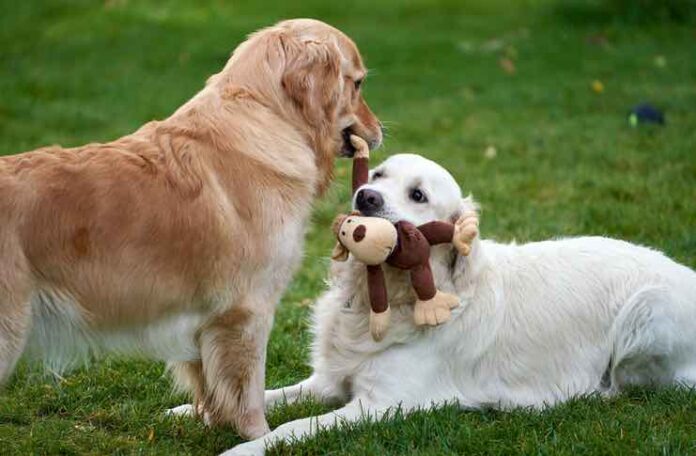
Photo by Eglė Va on Pexels.com

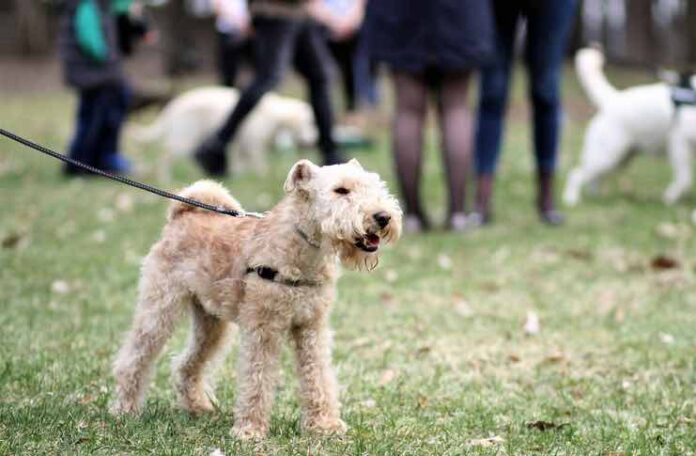
For dog owners, there’s something wonderfully relaxing about watching their canine companions frolic and play at the dog park. This open space offers a unique opportunity for dogs to socialize, get some exercise, and burn off pent-up energy. However, not every park interaction is a positive one. Sometimes, what starts as playful fun can quickly turn aggressive. How can dog owners navigate these situations and ensure both they and their pets remain safe? 

Let’s dive into the telltale signs of aggressive play and strategies for managing challenging dog park dynamics.

1. Recognize The Warning Signs Of Aggression

One of the most alarming consequences of aggressive play is dog bites. But, a bite doesn’t always come out of the blue. There are often preceding signs of escalating tension. 

Growling, snapping, raised hackles, stiff body posture, and intense staring can all indicate that a playful situation is about to turn aggressive. Being aware of these signs allows owners to intervene before a situation deteriorates further.

2. Differentiate Between Play And Aggression

It’s essential to understand the difference between aggressive behavior and normal play. Dogs will often ‘mouth’ each other, bow, and engage in chase games. The play may look rough, but as long as both dogs seem relaxed and are taking turns in their roles (chaser and chased), it’s typically a good sign. Concerns should arise when one dog constantly seems to be the target or when body language indicates distress.

3. Use Positive Reinforcement

Positive reinforcement is your best friend (after your dog, of course!). 

Always carry treats or your dog’s favorite toy to the park. If you see your dog starting to get overly excited or display the beginnings of aggressive behavior, call them over, get their attention, and reward them when they listen. This redirection technique can prevent potential confrontations.

4. Create Distance

If you sense that a situation is escalating, it’s a good idea to separate the dogs immediately. You can call your dog to come to you, or if that doesn’t work, calmly walk over and use your body to block or separate the dogs. 

Remember, the key is to act calmly and confidently, as dogs often feed off their owners’ emotions.

5. Establish Recall

One of the most valuable commands a dog can learn for the park environment is a solid recall. This means your dog comes to you immediately when called, no matter the distraction. Regular training sessions at home and in different environments will solidify this command, making it easier to manage potential conflicts at the park.

6. Know When To Leave

Sometimes, the best decision is simply to leave the park. If your dog is constantly being targeted by other dogs, or if they’re displaying aggressive behavior, it might not be a good day for them. It’s essential to prioritize safety over socialization. Remember, not every park visit will be perfect, and that’s okay.

7. Educate Yourself

Educate yourself about dog breeds and their typical play styles. Some breeds play rougher than others, and what might seem aggressive to an outsider is just their natural play behavior. Knowing these nuances can help you assess situations more accurately and decide when to intervene.

8. Communicate With Other Dog Owners

Communication is crucial. If you’re unsure about an interaction or feel uncomfortable with another dog’s behavior, don’t hesitate to speak with their owner. Most dog owners will appreciate a polite heads-up and will work with you to manage the situation.

9. Schedule Playdates

If your dog has made a few friends at the park, consider setting up scheduled playdates. This allows you to control the environment and the dogs involved, ensuring a safer and more relaxed play session for all.

Conclusion

The dog park can be a place of pure joy and excitement for our furry friends. However, as with any environment where animals interact, there’s potential for conflicts to arise. By staying vigilant, understanding canine body language, and utilizing positive reinforcement techniques, dog owners can ensure that each park visit is a positive experience for everyone involved. 

After all, with a little effort and understanding, our four-legged pals can enjoy their playtime while we, their human counterparts, can have peace of mind.

How to Teach Kids to Interact Safely with Dogs: A Comprehensive Guide (with Videos!)

How to Teach Kids to Interact Safely with Dogs
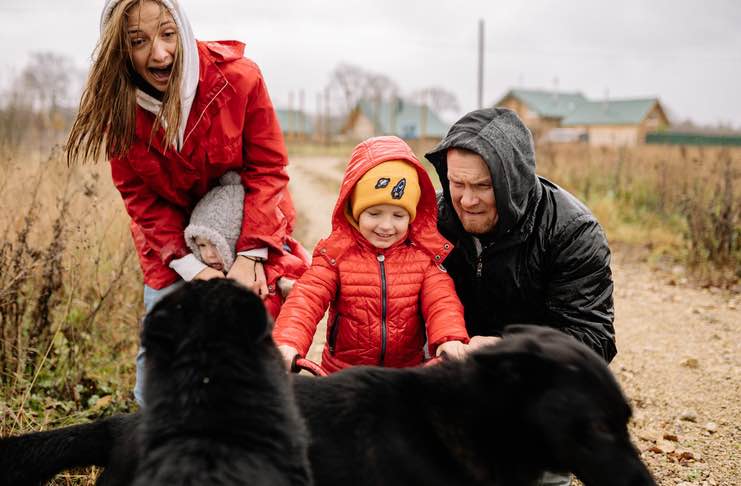
Photo by Yan Krukau on Pexels.com

As loving and loyal companions, dogs have earned their reputation as man’s best friend. They bring joy, comfort, and companionship to countless families across the world. However, it’s essential to teach your kids how to interact safely with dogs to prevent dog bites. In this guide, we will explore valuable tips to ensure a harmonious relationship between kids and dogs while keeping safety a top priority.

Start with Education

It is extremely important to educate your children on aggressive behaviors that dogs might exhibit.  When dogs feel threatened they might bare their teeth, raise their ears, or even wag their tails.  By explaining the basic body language of an aggressive dog, your child can recognize signs of distress in the animal and take the necessary precautions.

Watch this video with your kids for the basic safety keys:

Supervision is Key

When teaching kids to interact safely with dogs, your constant supervision is paramount for ensuring safety and fostering a positive relationship between the two. You play a crucial role in stepping in immediately if any signs of discomfort or stress arise, preventing dog bite accidents and mishaps.

You have the opportunity to teach your kids proper behavior, guiding them on gentle and respectful interactions with their furry friends. By being there, you create a trusting environment where both your children and the dogs feel at ease, leading to joyful and memorable experiences for all involved.

Respect Personal Space

Respecting a dog’s personal space is crucial. Encourage kids to avoid cornering a dog or invading their territory. Dogs, like people, need their own space and boundaries.

Additionally, do not disturb dogs while they are eating, sleeping, or caring for their puppies. These situations can make them feel vulnerable, increasing the risk of dog bites. Give dogs their space and allow them to have peaceful moments undisturbed.

Teach Proper Play

While playtime with dogs can be fun, it is extremely important to teach your kids how to appropriately play with animals.  You should discourage roughhousing or aggressive play with dogs.  This can escalate the dog to biting and showing other aggressive behaviors such as barking or growling.

Furthermore, your children should never approach a dog from behind or make loud noises. Sudden movements and loud sounds can trigger fear or anxiety in dogs, leading to potential defensive reactions.

Watch this video to learn more:

Always Ask for Permission From The Owner

The dog bite attorneys at NW Injury Law Center suggest that you always seek permission from the dog’s owner before interacting with the dog.  Dogs are considered property under Washington law, therefore their owners are liable for any harm or injuries caused by their pets.  When you ask for the owner’s permission, it establishes a clear acknowledgment of the owner’s authority over their dog and their potential liability in case of any incidents such as dog bites.  Not all dogs are comfortable around strangers, and it’s essential to respect the owner’s judgment.

The “No Touch” Zones on Dogs

You should make your children aware of the “no touch” zones on a dog’s body.  Some examples of the “no touch” zones would be their face, ears, and tail.  These areas are sensitive and might cause discomfort if touched inappropriately.  This can escalate into aggressive behavior and your child can be at risk of getting bit.

Encourage Positive Reinforcement

Positive reinforcement is a powerful tool in teaching kids to interact safely with dogs. Praise children when they demonstrate safe and respectful behavior around dogs. This positive reinforcement will motivate them to continue acting responsibly.


By educating kids about safe interactions with dogs, we can significantly reduce the risk of dog bite accidents.  Responsible pet owners and child supervision are essential for ensuring the safety and happiness of both kids and dogs.  It is important that you, as the parent or guardian, must encourage open communication and understanding for dogs in a safe and caring environment.

Mastering Manners: Effective Remote Dog Training Collars

Remote Dog Training Collars
Photo by Anthony Fomin on Unsplash.com

A training collar is a useful tool to teach your dog to refrain from engaging in specific activities, such as jumping up on people, climbing onto furniture, or struggling with recall commands. We already gave you some useful tips for your dog and cat to live in harmony. In this post, we’ll delve into how remote dog training collars can make your life easier. Equipped with a remote, these collars allow you to correct your dog’s behavior at the appropriate moments, gradually leading to the cessation of these unwanted behaviors over time.

In Australia, dog training collars are regarded as the quickest and most efficient teaching aids. These remote dog trainers make it simple to teach your dog basic instructions like sit, stay, come, and heel, as well as curb undesirable habits like jumping, chasing, digging, overbites, and even excessive barking.

Things to Keep In Mind

When utilizing a dog-training shock collar, keep the following in mind:

  • Although it can be thought of as a quick tool, effectively educating your dog takes time, attention, and love.
  • With the correct dog training collar and continuous, persistent training, you can see positive results quickly.
  • If used in conjunction with the right training technique, these electric dog training collars are sure to be secure for your dogs.
Dog Training Collars
Dog Training Collars. Photo by Karl Byron on Pexels.com

Different Types of Remote Dog Training Collars

There are two varieties of remote dog trainers available today:

Domestic remote training collar for dogs

Domestic or companion dogs are trained using simple remote devices. Short-range training and basic commands like sit, remain, come, heel, and off lead are appropriate uses for these. These are suggested for use at home and on park strolls.

Remote Dog Training Collar for Sporting and Working Dogs

These electric dog-training collars are appropriate for agricultural, hunting, and sporting dogs. These remote trainers have a greater and longer range and several stronger stimulation levels. These are suggested for training with high demand.

This is ideal for a variety of canines and their temperaments; some people have hunting dogs in addition to domestic or companion dogs. These types also differ in their signal range. It is good to know that you have worthwhile options to consider.

How Do Remote Dog Trainers Operate?

Remote dog training collars are pieces of equipment that can be used to reinforce good behavior in your dog.

Remote transmitter

By doing this, the collar receiver receives the command. You can trigger tones, vibrations, or static stimulations using the handheld remote. Additionally, you have the opportunity to alter the intensity of each stimulation to suit your dog’s temperament and training needs.

Receiver for the collar

This receives the remote’s signal. It contains probes that attach to your dog’s neck and administer the stimulations, which are typically safe vibrations and static. Additionally, it features an integrated micro-speaker for tone stimulation, which is excellent for warnings or rewards.

Summary

Always assess whether a remote dog training collar matches your needs before buying one. You may select when to correct your dog using the remote that is included with these collars, and eventually your dog will cease engaging in that particular behavior. Pet Tech has the most comprehensive selection of dog behavior correction accessories in Australia. Start perusing our selection right away; you never know what you will find.

Tips For Your Cat And Dog To Live In Harmony

Tips For Your Cat And Dog To Live In Harmony
Photo from Unsplash.com

Despite what many people believe, cats and dogs can very happily live with one another in the same household, sharing the same spaces and without fighting, so long as you take the right approach to get them both settled into your home. If you are looking to introduce a cat to your dog or vice versa, the following tips will prove extremely helpful as you embark on this journey. Knowing that you should see results at the end of your hard work will be a great motivator and also remind you each time you follow one of these tips that you will be rewarded with happy pets and a pleasant household. 

Pick a breed that gets on well with the other 

If you’ve yet to pick your new dog or cat, then choosing a breed that is well-known for getting on with the other would be beneficial. Golden and Labrador Retrievers, Beagles, Pugs, and Shetland Sheepdogs are all dogs that are more likely to get on with a cat and are good options to bring home. When bringing home a cat to your dog, consider the Ragdoll breed, Maine Coon, Siberian, and European Burmese. 

Treat Them Equally 

Your cat or dog will pick up when you give one more attention to one than the other, and they will get jealous, just like humans would. When a cat or dog gets jealous, they may start destructive behavior and aggression. Focus on giving each pet the form of affection they love as equally as possible. This means spending the same time taking your dog for a walk as giving your cat pets and belly rubs. Beyond the fun experiences they both get, you also need to ensure that you treat them equally regarding their health. This means they are both regularly attending vet health check appointments, and you are keeping up with their grooming needs. Having two pets can mean vet costs do add up quickly, but if you look into multiple pets insurance quotes online, you can find a very cost-effective option available to you to care for both pets without worrying about finances. 

Keep them both well stimulated 

To avoid fighting between your cat and dog, give them both the stimulation they need. Learn what stimulation your new cat or dog needs and ensure you keep up with providing your current pet with theirs too. For instance, you can give your dog an invigorating walk while your cat enjoys a treat puzzle toy at home. Read our article about the best ways to keep any pet entertained and stimulated for more tips.

Provide Them With Their Own Spaces 

Just like humans need space sometimes, so do your pets. They want a place that they can escape to and know is their own. You should also give them separate feeding spots with their own bowls and provide an area for the litter box that only the cat (and you) will be able to access. There are fantastic products that can make separating food and toilet time much more straightforward. If you’re unsure about what food to give, her

Take It Steady And Never Leave Them Unattended 

You do not want to rush the living-together scenario too fast. You need to allow them to get used to one another. Always allow them to meet on neutral ground so that there is no issue of territory to overcome. With time, they should start feeling more confident to sniff one another and be comfortable enough in each other’s presence to relax and even cuddle, but you should still avoid leaving them unattended, particularly in the early days.

What Food Can Bearded Dragons Eat? A Simple and Clear Guide

What Food Can Bearded Dragons Eat guide
Photo by Streetwindy on Pexels.com

Are you considering a bearded dragon as a pet? These fascinating reptiles make excellent companions, but it’s crucial to provide them with a proper diet. In this blog, our goal is to give you simple and clear information about bearded dragon food.

Essential Components of a Bearded Dragon’s Diet

A balanced and varied diet is key for a healthy bearded dragon, among other key care factors you should follow. Their diet consists of three main categories: insects, vegetables, and fruits. Each category plays a vital role in their overall health.

Insects: A Protein Source

Bearded dragons require protein from insects as a crucial part of their diet. Some common insects they can eat include:

Watching your bearded dragon, chase crickets can be quite entertaining! It’s essential to gut-load insects before feeding them to your dragon, which means feeding the insects a nutritious diet before offering them as food. 

Additionally, dusting the insects with calcium and vitamin supplements ensures your bearded dragon gets the necessary nutrients.

Vegetables: Daily Greens

A variety of vegetables should be included in your bearded dragon’s daily diet. 

Some staple vegetables are:

To make the vegetables easier to digest, chop them into small pieces. A helpful tip to provide extra hydration for your pet is to mist the vegetables lightly with water before serving.

Fruits: Occasional Treats

Fruits can be offered as occasional treats for your bearded dragon. 

Some suitable fruits include:

  • Apples
  • Berries
  • Melons

Keep in mind that fruits should be given in moderation, as they can be high in sugar and should not make up a large portion of their diet.

Bearded dragon owners should read more details on what fruits can bearded dragons eat.

Foods to Avoid: Bearded Dragon No-Nos

To maintain the health of your bearded dragon, it’s essential to avoid certain harmful or toxic foods

Some examples include:

  • Avocado
  • Rhubarb
  • Spinach

A cautionary tale I once heard was about a bearded dragon that became sick from consuming the wrong foods. This serves as a reminder to always be vigilant and cautious when feeding our pets.

Feeding Schedule: Timing and Frequency

The feeding frequency for your bearded dragon depends on its age. 

Here are some sample feeding schedules for different life stages:

  • Baby bearded dragons: Feed 3-5 times daily
  • Juvenile bearded dragons: Feed 2-3 times daily
  • Adult bearded dragons: Feed once daily or every other day

In my experience, establishing a feeding routine for my bearded dragon helped maintain its overall health and happiness.

Monitoring Your Bearded Dragon’s Health

A well-balanced diet plays a significant role in your bearded dragon’s health. Regular check-ups with a reptile veterinarian are essential to monitor their well-being. 

Some signs of a healthy bearded dragon include:

  • Bright eyes
  • Strong appetite
  • Active behavior
What Food Can Bearded Dragons Eat
Monitor your Bearded Dragon’s health. Photo by Pablo Franco on Unsplash.com

By ensuring your bearded dragon receives proper nutrition and care, you’ll be able to enjoy a happy and healthy pet.

Conclusion

To recap, it’s crucial to provide your bearded dragon with a balanced and varied diet consisting of insects, vegetables, and fruits, while avoiding toxic or harmful foods. 

Remember, a happy and healthy bearded dragon is worth the effort!

4 Basics of Green Iguana Handling and Care

Basics of Green Iguana Handling and Care
Photo by Lukas on Pexels.com

Green iguanas are popular pets for reptile lovers around the world. They are beautiful creatures that can live up to 20 years or more if properly taken care of. However, caring for a green iguana is not as easy as it seems, and improper handling can lead to stress, injury, and even death.

In this article, we will discuss the 4 basics of green iguana handling and care, including housing, diet, health, and general behavior.

Read for everything you need to know about green iguana care.

What is a Green Iguana?

Green iguanas are large, herbivorous lizards that are native to Central and South America. They can grow up to 6 feet in length and can weigh up to 20 pounds.

These fascinating creatures are often called the best pet lizard. However, they require specialized care, and it is essential to provide them with the right environment, diet, and health care to ensure they remain healthy and happy.

Basics of Green Iguana Handling and Care

1. Housing

Green iguanas require a spacious and well-ventilated enclosure to thrive. The enclosure should be at least 6 feet long, 6 feet high, and 3 feet wide for a full-grown iguana. It should be made of sturdy material like wood, PVC, or glass and be fully escape-proof.

The enclosure should also have a basking area, a hiding place, and a water dish. You also need to provide UVB lighting to simulate natural sunlight, which is vital for the iguana’s health and well-being.

2. Green Iguana Diet

Green iguanas are herbivores. They require a diet that is high in fiber and calcium, consisting of leafy greens, vegetables, fruits, and occasional protein like insects, roach chow, or cooked eggs.

Avoid feeding them processed or canned food, as it can cause health problems. They also need fresh water daily – avoid using tap water, which can contain harmful chemicals.

3. Health Care

People keeping green iguanas should be aware that these lizards can suffer from various health problems like metabolic bone disease, respiratory infections, and parasites.

As a responsible owner, you must take them to regular check-ups with a qualified reptile veterinarian. This will help you prevent and treat any health problems that may arise.

It is also essential to maintain proper hygiene and cleanliness in their enclosure to prevent the spread of infection or disease.

4. General Behavior

Green iguana’s size means they can be a challenge to handle, especially when they’re feeling stressed or threatened.

Handle them with care and respect, avoiding sudden movements or loud noises. Iguanas need time to adjust to new environments and establish trust with their owners. Regular interaction and socialization can help them become more comfortable with human handling.

Understanding the Majestic Green Iguana

Green iguanas make great pets for those who are willing to commit to their specialized care.

With time, patience, and consistency, this green iguana care guide will help you give your pet iguana the best life possible. So, if you feel ready to bring home an exciting new pet, why not visit your local reptile dealer today? 

If you enjoyed this article check out the rest of our blog for more!

How To Determine Your Dog’s Age In Human Years

dogs age in human years
Photo by Adobe Stock

Bringing home a furry four-legged friend often translates to having a best bud by your side for life! But have you ever wondered about your dog’s age in human years?

This is one of the most common questions that pet parents often find themselves asking, and it’s an important one for better understanding how we can provide our dogs with the best care as they age. It’ll help you better understand their health concerns and curate a healthier diet and lifestyle plan to keep your furry friend around for longer! 

So, in this article, we’ll explore how dogs age and the most common and accurate methods to determine your pet’s age in human years.

Understanding Dog Years

Before we explore how you can calculate your dog’s age in human years, let us first understand the concept of dog years. 

Dogs age much faster than humans, and their lifespans are much shorter. You’ve probably heard it said many times how one dog year is the same as seven years for humans. Well, that’s not entirely true, but dogs do age more rapidly than humans. 

Essentially, a dog’s first year of life is equivalent to about 15 human years, while its second year is equivalent to about 9 human years. After that, each year of a dog’s life is equivalent to about 5 human years. 

This is perhaps the simplest way to understand your dog’s age in relation to human years. And this assessment is important as it helps you understand your dog’s health needs better so you can provide better care for your best bud. 

“Knowing your dog’s age in human years can help you understand their health needs better, such as when to start preventive care, switch to a senior diet, and monitor for age-related conditions.” — PetMD

How To Determine Your Dog's Age In Human Years
Photo from Adobe Stock

The Myth of 7 Dog Years to 1 Human Year

The idea that one dog year equals seven human years has been a common myth for many years. However, this is not an accurate way to determine a dog’s age in human years. 

“The 7:1 ratio is a myth. The rate at which a dog ages depends on various factors, such as breed, size, and overall health.” — American Kennel Club (AKC)

So, what is a dog’s age in human years? 

As we discussed earlier, a dog’s first year of life is equivalent to about 15 human years, not 7. 

In fact, the 1:7 ratio does not accurately reflect how dogs age. The ratio was originally based on the average lifespan of humans and dogs, which is no longer accurate due to advancements in healthcare and nutrition for both species. Additionally, different dog breeds age at different rates, so a one-size-fits-all approach does not work.

Instead of relying on the 1:7 ratio, it’s better to use breed-specific methods or a more general method, such as the one we discussed earlier, where a dog’s first year of life equals nearly 15 human years and its second year is the same as about 9 human years.

It’s also important to keep in mind that while determining your dog’s age in human years can be a fun way to understand your dog’s lifespan, it’s not an exact science. Factors such as genetics, diet, exercise, and healthcare can all affect how quickly a dog ages, so it’s best to focus on keeping your dog healthy and happy rather than worrying too much about its age in human years.

Methods to Calculate Dog’s Age in Human Years

While there are various methods to calculate your dog’s age in human years, none are 100% accurate. However, these methods can give you a rough estimate of your dog’s age in human years.

Method 1: The 1:7 Ratio

While the 7:1 ratio is a myth, using a ratio to calculate your dog’s age in human years can still be helpful. Instead of the 7:1 ratio, use a 1:7 ratio. 

This means that the first year of a medium-sized dog’s life is roughly 15 human years, the second year is about 9 human years, and each year after that is around 5 human years. 

To calculate your dog’s age in human years, multiply their age by the appropriate factor:

1 year = 15 human years

2 years = 24 human years

3 years = 29 human years

4 years = 34 human years

Method 2: The Breed-Specific Method

Different breeds have different aging processes. Some breeds may age faster or slower than others. So, when calculating your dog’s age in human years, it’s essential to consider its breed.

To use the breed-specific method, you need to know your dog’s breed and life expectancy. You can find this information from your veterinarian or online resources.

Once you know your dog’s life expectancy, divide it by the average lifespan of humans, which is around 79 years. Then, multiply the result by your dog’s age to get their age in human years. 

For example, if your dog is a Jack Russell Terrier with a life expectancy of 13 years and is four years old, their age in human years would be:

Life expectancy divided by the average human lifespan = 13/79 = 0.164

Multiply 0.164 by 4 (your dog’s age) = 0.656

Round the result to the nearest whole number = 1

Therefore, your Jack Russell Terrier is approximately 1 human year old.

Method 3: The DNA Test Method

DNA testing is a relatively newer answer to how to calculate a dog’s age in human years. Some companies offer DNA tests that not only identify your dog’s breed but also provide an estimate of their age in human years based on their DNA. While this method may be more accurate than the other methods, it can also be more costly.

How To Determine Your Dog's Age
Photo from Adobe Stock

Factors Affecting a Dog’s Age

The methods explained above can help provide an estimate of your dog’s age in human years, but it’s important to keep in mind that various factors can affect how quickly a dog ages. 

Consulting your vet will also help you understand how your dog is aging and what you can do to ensure your pet’s optimum health and happiness. 

“While the 1:7 ratio and breed-specific method can provide a rough estimate of your dog’s age in human years, it’s essential to consult with a veterinarian to ensure the information you use is accurate.” — Rover

Here are some major factors that impact a dog’s age.

Breed

Different dog breeds have different life expectancies and aging processes, with smaller dog breeds living longer than larger breeds. Chihuahuas, for example, live for nearly 15 years, whereas Great Danes have a life expectancy of about 8 years. 

Genetics

Just like humans, dogs can inherit genes that can affect their health and lifespan. Some breeds may be prone to certain genetic conditions that can reduce their overall lifespan. It’s thus crucial to maintain regular vet check-ups so any genetic condition your dog may have can be detected early.

Diet

A dog’s diet plays a major role in its health and lifespan. Feeding your dog a balanced and nutritious diet can help them live longer and healthier lives. Make sure you choose balanced meals with enough protein and fiber. Check out Sundays -by The Upper Pawside to learn more about how you can curate a nutritious diet for your pet. 

Exercise

Regular exercise is essential for a dog’s physical and mental health. Lack of exercise can lead to obesity and other health problems that can shorten a dog’s lifespan.

Environment

The environment a dog lives in can also affect their lifespan. Dogs who live in stressful or unhealthy environments tend to have shorter lifespans than those who live in healthy and stress-free environments.

Healthcare

Regular veterinary check-ups, preventive care, and prompt treatment of illnesses and injuries can help dogs live longer and healthier lives.

Conclusion

Determining your dog’s age in human years is essential to ensure they receive the proper care as they age. While you can use any of the methods listed here, make sure you also consult with your veterinarian to check that the information you use is accurate. By knowing your dog’s age in human years, you can provide them with the appropriate care to help them live a healthy and happy lives.

8 Best Ways to Keep Any Pet Entertained and Stimulated

Best Ways to Keep Any Pet Entertained and Stimulated
Photo by Barnabas Davoti on Pexels.com

Are you a pet owner looking to find ways to keep your furry friends entertained and stimulated? Pets need activity and interaction just like we humans do. If they don’t get this activity and interaction in regular doses, they’ll easily get bored or may even become depressed. But don’t worry. Plenty of ways to keep any pet entertained and stimulated throughout their days.

To help you keep your pet content and happy, here are eight of the best ways to do just that!

Give Them Toys 

Giving your pet toys is one of the finest ways to excite and keep them occupied. Allow your pet to engage, play, and explore with designed toys. 

For instance, there are many cat toys available online that are specifically made for your feline friends. Other dispensing toys may help keep your pet active as they try to get the goodies out, as well as soft toys that react to your cat’s batting by moving and making noise.

They must vary their toy collection to avoid repeatedly getting bored with the same toys. Your pet will always have something fun to play with and investigate in this manner.

Play With Them 

Playing with your pet yourself is a fantastic additional approach to keep them entertained. Bring a few toys out and demonstrate how they operate for them. This will keep children interested and make playtime more enjoyable. Additionally, you get to spend quality time with your pet!

Playing games with your pet, like fetch or hide-and-seek, is a terrific way to entertain them. Additionally, it strengthens your relationship with your animal companion. Just keep in mind to be understanding and patient. 

Although it could take some time, your pet will ultimately pick up on the rules of each game.

Take Them For Walks 

Any pet needs to go on walks. Whether you have a cat, dog, or something else, they must go outside and discover their surroundings. Your pet will be able to encounter novel scents, sights, and noises as well as excellent exercise, all of which may keep their minds active.

Walking with your pet is a terrific way to strengthen your relationship. Grab those leashes and go on an excursion with your pet! You may even check out a neighboring nature walk or park.

Train Them 

Another fantastic technique to keep your pet’s mind active is training. Teaching kids simple verbal cues like “sit,” “stay,” or “come” can boost their self-esteem and keep their minds active.

Every time your pet obeys an order, you must treat them. They will be more inclined to repeat the conduct due to this reinforcement. Training sessions are an excellent opportunity to bond with your pet as well!

This can be highly useful for various occasions. For instance, taking your dog to a professional pet photographer for a session will be easier if you have trained them beforehand. They’ll be able to remain still until the job is finished so you can go home with a handful of high-quality photos. Training is also useful whenever you’re in public places or have visitors over; this will make them calmer and more likely to obey your commands.

Create an Indoor Play Area 

Making an indoor play area for your pet is a terrific method to keep them occupied if you don’t have access to an outdoor location for them to enjoy. 

To encourage your pet to explore their “territorium,” set up some tunnels or cat trees in the living room. For dogs, you may fill the space with favorite toys or goodies that they can discover.

As they investigate and explore their play environment, this will help keep them intellectually active. Also, exhausting them is a terrific method when the weather isn’t conducive to walking.

Limit Screen Time 

Don’t let your pet watch too much TV. It might be tempting to let kids watch TV all day if you have one, but too much screen time can harm their mental health. Spend quality time conversing and playing with your pet rather than letting them zone out in front of the TV.

Another excellent approach to cognitively entertain your pet is using interactive gadgets. While you’re gone from home, these gadgets, including puzzle toys and reward dispensers, can keep them occupied.

Give Them a Task

Although it may seem strange, giving your pet work helps keep them engaged. From bringing a toy to locking a door, this might be anything. It doesn’t have to be complicated; simply something that gives them a goal and keeps their minds active would do.

People who own energetic pets can benefit significantly from this mental stimulation. Give your pet a task the next time you need a diversion for them. It could be precisely what they need to keep themselves amused!

Enroll Them In Training Classes 

Any pet would benefit from training sessions, but they’re especially useful for keeping your pet entertained. These courses aid in the socialization and education of your pet. Your pet will be cognitively stimulated and enjoy associating with other animals and picking the trainers’ brains.

Why not give it a go, then? Your pet may acquire valuable skills that will keep them occupied for years with the correct trainer and lots of positive reinforcement.

Final Thoughts

Keeping your pet entertained and stimulated doesn’t have to be complicated. Using some tips above can give them plenty of activities to keep their minds engaged and help build the bond between you two. Grab some toys, leash up, and have some fun! Your beloved pet will thank you for it with that special unconditional love that only they can give.

Want to read more of our latest posts? Check out these key questions you need to ask yourself before getting pet insurance.

Common Misconceptions About Keeping Snakes as Pets

Common Misconceptions About Keeping Snakes as Pets
Photo by Kamil Zubrzycki on Unsplash.com

Keeping snakes as pets have been a popular hobby for many people around the world. However, there are still some common misconceptions about them that can make it difficult to decide whether or not to take on this responsibility. If you live in San Diego, for example and already have a pet snake and you need assistance, just search for a mobile vet San Diego north county who can help you with any health concerns that may arise.

Snakes have been getting a bad reputation ever since Genesis. This has caused some people to think that snakes are evil or dangerous creatures. In reality, most pet snakes are quite harmless and can make great companions for those who dedicate themselves to caring for them properly.

Debunking common myths about snakes as pets

One of the most common myths about snakes is that they are slimy and gross. This couldn’t be further from the truth! Snakes are actually quite clean animals and their skin is dry to the touch.

Another myth is that snakes can escape easily from their enclosures. While it’s true that some species of snake can be quite adept at escaping, this isn’t always the case. With proper enclosure design and maintenance, your pet snake should stay safely contained in its home.

Many people believe that snakes require a lot of space to live comfortably. In reality, most species of snake don’t need a large enclosure; as long as you provide them with enough room to move around and explore they will be happy in their environment.

Some people think that snakes are difficult to care for or handle. While it’s true that certain species may require more specialized care than others, all snakes can be handled with patience and practice – just like any other pet.

Tips for choosing the right snake species as a pet

When it comes to choosing the right snake species as a pet, there are several factors to consider. First and foremost, you should research the specific needs of each species in terms of temperature, humidity, diet and enclosure size. Some snakes require more specialized care than others, so make sure you’re prepared for the commitment before making your decision.

It’s important to think about how much handling you want from your pet snake. Some species are more docile and can be handled regularly while others may not enjoy being held or touched at all. You should also take into account how large the snake will grow when selecting a species; some can reach lengths of up to 10 feet.

Consider where you live and what type of climate is best suited for the particular species you’re interested in owning. Different snakes thrive in different environments so make sure that your home is suitable for their needs before bringing them home.

The benefits of having a pet snake

Owning a pet snake can be an incredibly rewarding experience. Snakes are low-maintenance pets that require minimal care and attention making them ideal for busy owners. They also don’t need to be taken out for walks or played with so they’re perfect for those who live in apartments or small homes.

Snakes are relatively inexpensive to purchase and maintain, as they only need a few basic supplies such as a tank, substrate, water bowl, and heat lamp.

Snakes can provide companionship without the same level of commitment required by other animals like cats or dogs. They’re also fascinating creatures to observe and study – their behavior is often quite captivating.

Snakes can make great pets if you take the time to do your research and find a species that fits your lifestyle. Contrary to popular belief, they are not difficult to care for and don’t require any special equipment or an overly large living space.

Want to learn more about snakes? Check out our snake section.

12 Questions to Ask Before Signing Up for a Pet Insurance Plan

Signing Up for a Pet Insurance Plan
Photo by Bekka Mongeau on Pexels.com

Having a pet can be one of the most rewarding experiences in life. We discussed before how having a reptile as a pet brings happiness. But it’s not always easy — taking care of a pet can involve high costs for medical treatments and other expenses. That’s why many pet owners choose to sign up for pet insurance, which helps cover some or all of the costs associated with caring for a four-legged friend.

But before you sign up for a pet insurance plan, it’s important to do your research and make sure that it meets the needs of both you and your pet. Here are 10 questions to ask before signing up for a pet insurance plan:

1. What does the plan cover?

Make sure you understand exactly what is and isn’t covered. Are there any exclusions or limits on certain types of care? Your plan should cover all necessary treatments, such as vaccinations and emergency visits.

A plan without a coverage limit is preferable so that you won’t be surprised by high out-of-pocket costs. If the plan does have a coverage limit, make sure you understand how it works. Otherwise, you could end up with a bill for much more than you expected.

2. What is the annual deductible?

A deductible is the amount of money that you must pay out-of-pocket before your pet insurance plan begins to cover costs. A high deductible can mean lower monthly premiums, but it also means higher out-of-pocket costs in the event of a medical emergency.

If you choose a plan with an annual deductible, make sure you understand what it covers and how much you’ll need to pay upfront. You may also want to ask if there is a maximum annual deductible.

3. Will I need to visit certain veterinarians?

Some pet insurance plans require you to use certain veterinarians or networks of providers. Make sure that any required vet is conveniently located and that they accept your pet insurance plan. 

In some cases, you may be able to use any vet — but you may have to pay a higher rate for out-of-network services. Some exotics pets need specialized vets. Therefore, it’s important to ask if there are any preferred providers and find out the cost difference between in-network and out-of-network services.

Here are some tips for how to choose your Vet:

4. What type of coverage will I get for preventive care?

Many pet insurance plans offer some coverage for preventive care, such as vaccinations and annual checkups. Make sure you understand exactly what is covered and how much you will need to pay out-of-pocket.

You should also find out if there are any limits on the type or amount of preventive care that is covered. For example, some plans may not cover all recommended vaccinations or may have a cap on the number of checkups for which you can receive coverage.

5. Does the plan cover chronic and hereditary conditions?

Chronic and hereditary conditions are illnesses that can occur over time and are passed down through genetics. Make sure the plan you choose covers any long-term conditions that your pet may be at risk for, such as heart disease or cancer.

Many plans don’t cover chronic and hereditary conditions, so make sure you understand what is and isn’t covered before signing up.

Pet Insurance Plan
Does it cover chronic conditions? Photo by Zen Chung on Pexels.com

6. How long will I have to wait before my coverage kicks in?

Some pet insurance plans have waiting periods before they begin covering medical costs. Make sure you understand how long your plan requires you to wait and if there are any exceptions for pre-existing conditions.

For instance, some plans may cover conditions that were present before you enrolled in the plan, while others may require a longer waiting period. Therefore, it’s important to ask if there are any limitations on coverage for pre-existing conditions.

7. Are there any hidden fees?

Be sure to ask about any additional fees or charges that may be associated with your pet insurance plan. These can include fees for processing claims, administrative fees, or enrollment fees.

These fees can add up quickly, so it’s important to factor them into your decision when comparing different plans. Ask about any potential fees and make sure you understand exactly how much they will cost before signing up for a plan.

8. Will I have access to customer service?

It’s also important to ask if the pet insurance company offers customer service when you have questions or need to file a claim. Make sure you understand the hours of operation and how you can contact customer service if needed.

Many pet insurance companies also offer pet health care online chat or other digital services that make it easy to get help when needed. Ask about any additional features that may be available and make sure they fit your needs before signing up.

9. Is there a lifetime limit on the coverage?

Some pet insurance plans have a lifetime cap on the amount of money they will pay out over the life of your pet. Make sure you understand what this limit is and if there are any exceptions or exclusions to it.

If you have an older pet or one with a pre-existing condition, you may want to look for a plan that does not have a lifetime limit. That way, you can be sure your pet will be covered even if its medical needs become more expensive over time. Here are some tips for taking care of a senior dog, for example.

10. Does the plan cover pre-existing conditions?

Most pet insurance plans do not cover pre-existing conditions, so this is an important question to ask before signing up for a plan. If your pet has a pre-existing condition, ensure that you fully understand if this condition will be covered and if there are any limitations.

In some cases, there may be an additional fee or waiting period before the plan begins covering medical costs related to the pre-existing condition. Understanding this can help you determine if a particular plan is right for your pet’s needs.

11. What is the reimbursement rate?

Find out how much of your costs will be covered by the plan and whether there are any caps or limits to the amount you can receive in reimbursements.

The reimbursement rate refers to the percentage of covered costs that will be refunded back to you after making a claim. Some plans offer 100% coverage, while others may offer as low as 70%.

Compare different plans to find one that offers the best reimbursement rate. This can help you save money in the long run by reducing your out-of-pocket costs.

12. How much do I pay out-of-pocket?

Find out how much you will have to pay out of pocket for each visit and what your annual caps are. This is important to consider, as some plans may only cover a portion of your expenses. Knowing how much you’ll be responsible for can help you budget for medical bills in advance and avoid any unexpected costs.

Conclusion

Choosing the right pet insurance plan for you and your pet can be a difficult decision. Asking these 12 questions before signing up for a plan can help ensure that you make an informed decision that is best for both of you.

With the right information, you can be confident that your pet will be covered should any unexpected medical emergencies arise. Though pet insurance can be expensive, it is a great way to make sure that your beloved four-legged family member receives the care they need – without breaking the bank.