
Home Blog Page 27

POISONOUS VENOM IS WHAT THIS GUY NEEDS

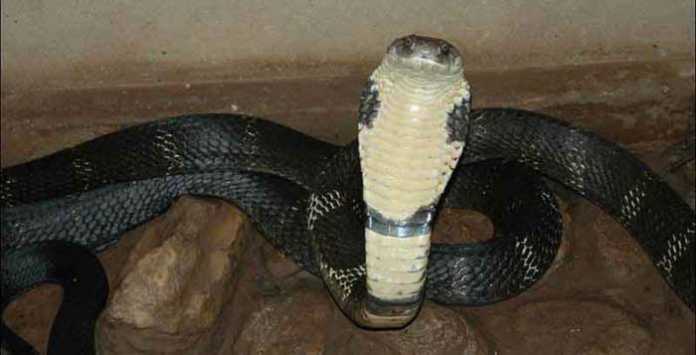
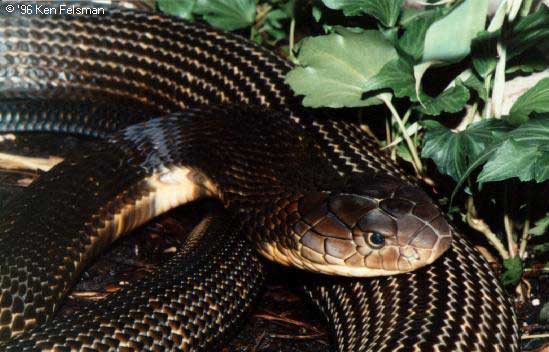
King Cobra
John Klein's King Cobra

“Poisonous Venom May Be Just What Doctor Ordered”, Says Octogenarian

By Tom Wells, THE ASSOCIATED PRESS

PUNTA GORDA, Fla. — Bill Haast slid back the top to the large metal box and up popped a cobra.

The snake spread its hood, weaved back and forth, side to side, then hissed. Haast placed his hand about six inches from its menacing fangs. A few drops of the snake’s venom could kill an ordinary human. Or, Haast believes, perhaps save someone. Bill Haast is not an ordinary human.

The snake lunged four times. Each time, Haast pulled back his hand, just out of range, just in time.

His timing has not always been perfect. At 85, he has been bitten 162 times — the latest, by a cobra, three months ago — by snakes with venom poisonous enough to kill an elephant. Twice, Haast almost died. But Haast has been injecting himself with snake venom since 1948. He has built up such powerful antibodies in his system that his blood has been used as a snakebite antidote. He began with tiny amounts of rattlesnake venom and built up the dosage over the years. He injects himself once a week with venom from 32 species. He says he is now immune from snakebites.

He also believes the snake venom has kept him healthy and holds the potential to help people with multiple sclerosis and other diseases. Except for rare snakebites, he says, “I’ve never been sick a day in my life. I’ve never been to a doctor. I’ve never had the flu, not even a cold.” Neither, he says, has he had arthritis, bursitis or any communicable disease. He has never taken medicine, not even aspirin. He looks like a man in his 60s.

He walks with a spring in his step and his back ramrod straight. He spends hours each day at his serpentarium in southwest Florida pulling weeds and planting shrubs in a two-acre plot where he hopes to breed snakes. He puts his hands on the 4-foot wall and vaults over.

Is snake venom the secret to health and long life?

“Come back in 15 years when I’m 100, and if I still look like I do today, then I would say `yes,’ ” Haast says. He believes venom can be useful against arthritis and other diseases. He produced a drug in the late 1970s that a Miami doctor used at a clinic to treat multiple-sclerosis patients. But the Food and Drug Administration closed down the clinic.

The new serpentarium Haast is working on will be his second snake-raising operation in Florida. Just after World War II he opened a serpentarium and tourist attraction south of Miami and ran it for nearly 40 years. Then he lost heart. Already disappointed by the FDA’s rejection of what he saw as groundbreaking work in finding a medical use for snake venom, he became disturbed and distraught by the death of a child who fell into a crocodile pit and was attacked.

He sold out in 1984 and moved to Utah.

In Utah, Haast continued extracting venom for snakebite antitoxin and for research. He found he missed Florida’s climate and landscape and returned six years ago. His new serpentarium is along a crushed-rock road not far from Punta Gorda (Wide Spot, in Spanish) in rural southwestern Florida. He no longer does shows for tourists.

He has about 400 snakes, extracts their venom daily and sells it to laboratories. A gram of venom from an African tree snake goes for $6,000; sea snake venom $3,000; cottonmouth venom $60. “We don’t need to do this, but there is nothing else to do and I want to make sure researchers get what they need,” Haast says.

The garage behind the new home he and his wife Nancy are building shelters a red Cornice II Rolls-Royce convertible (hers) and a white 1956 Lincoln Continental (his) in showroom condition.

Haast was born in 1910 in Paterson, N.J., and caught his first snake when he was 7. When he was 12 a copperhead bite put him in the hospital. He had grabbed the snake by the tail and learned a lesson: wrong end. He came to South Florida in the late 1920s and worked with a man who had a traveling roadside snake show for tourists. The Depression dried up business, so he took to making moonshine out in the Everglades. That gave him an opportunity to catch snakes.

During World War II he had a chance to buy more exotic poisonous snakes when he flew with Pan Am

crews that delivered food and medicine to Africa and Asia.“While the rest of the crew was hitting the bars I would be buying snakes,” he recalls.

After the war, Haast was so consumed with his serpentarium project, he says, that it destroyed his first marriage. His son stayed with him to help clear the land. The two lived in a shack, ate from cans and bathed in barrels.

Haast opened the serpentarium in 1948, performing with snakes for tourists and selling venom from about 36,000 extractions annually. He was confident that cobra venom held the secret to curing or maybe even preventing disease. His built-up immunity to snake venom certainly saved his own life.

In 1954 he was bitten by a blue krait, a snake that comes from Asia. Drop for drop, the krait’s venom is

many times more poisonous than a cobra’s. “I had never heard of a krait bite victim ever surviving,” Haast says. “I felt like the skin had been stripped from my body, like every nerve in my teeth was exposed, like my hair was being ripped out of my head.” Haast survived, barely. The snake died 10 days later.

The remarkable thing about Haast’s encounter with the krait was that, despite his agony, he insisted on

making notes. He scribbled that he had a sore throat, sore jaw muscles, blurred vision, chest and stomach spasms. When, three hours after the bite, he could no longer write, he dictated, noting his belief that the venom could not affect every nerve in his body and not have some use in medicine.

Indeed, his own blood has such a use.

In 1969, he answered an emergency summons from Bob Elgin, director of the Des Moines Zoo in Iowa, who had been bitten by a snake. Blood transfusions from Haast saved him. Haast keeps a letter from Elgin: “Each morning when the sun comes up, I think of you.”

Haast’s chance to test his theory, however, resulted in his run-in with the FDA. An FDA document provides details: In the late 1970s, A Miami physician named Ben Sheppard (now dead), suffered from rheumatoid arthritis. Sheppard took PROven, the medication produced by Haast. The doctor was so pleased with the results that he started giving injections to patients with a variety of diseases.

Sheppard’s clinic became famous, and was featured on the CBS-TV show “60 Minutes.” Haast recalls:

“Sheppard eventually was treating six or seven thousand patients. Most of them had MS. People came from all over the United States and even from other countries. The drug really helped them, but the FDA was upset because we hadn’t done clinical studies first.” Just so. The FDA shut down the clinic and banned the drug. It ruled that the drug had not been properly tested or licensed for human use.

The Multiple Sclerosis Society still gets so many inquiries about PROven that it felt compelled to publish something on the drug last year. The article notes the drug has been suggested as a treatment for arthritis, lupus, herpes simplex, herpes zoster, muscular dystrophy, Parkinson’s disease, myasthenia gravis and amyotrophic lateral sclerosis.

Although PROven has been banned by the FDA, a similar mixture known as Horvi MS9 is sold legally in drugstores in Germany, the MS Society said.

Time will judge whether Haast was prophetic in his belief that snake venom can be beneficial to mankind. One of Haast’s favorite authors is Jules Verne, the 19th-century science-fiction writer ridiculed for his novels about men going to the moon and traveling in submarines.

Of his own theories, Haast says, “We’ll see.”

John Klein’s note: I have recently written a page with more info on the controversial treatment of MS with snake venom.
Information and Treatment for Snake Bite

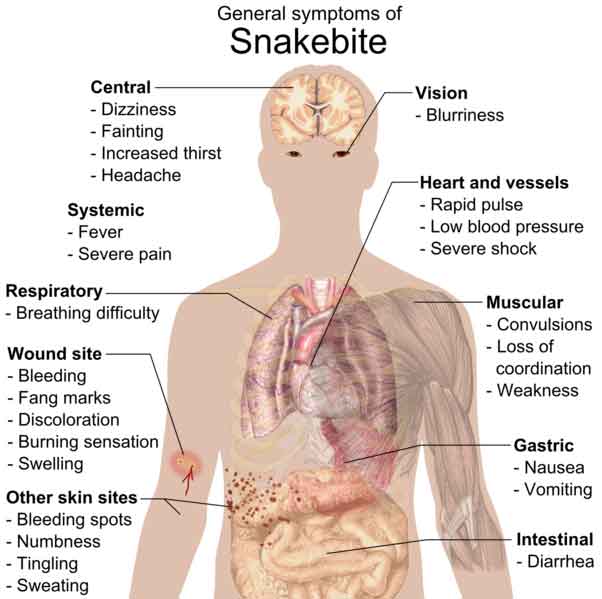
Snakebite Symptoms
Snakebite Symptoms by Häggström, Mikael. "Medical gallery of Mikael Häggström 2014". Wikiversity Journal of Medicine 1 (2). DOI:10.15347/wjm/2014.008. ISSN 20018762. , via Wikimedia Commons
0.0 OVERVIEW
0.2 CLINICAL EFFECTS
Snakebite Symptoms
Snakebite Symptoms by Häggström, Mikael. “Medical gallery of Mikael Häggström 2014”. Wikiversity Journal of Medicine 1 (2). DOI:10.15347/wjm/2014.008. ISSN 20018762. , via Wikimedia Commons. CLICK TO ENLARGE!

0.2.1 SUMMARY

A. EDEMA:

(1) In most cases, almost immediate SWELLING and EDEMA appear. Swelling is usually seen around the injured area within five minutes after the bite and often progresses rapidly, involving the entire injured extremity within an hour. Generally, however, edema spreads more slowly over a period of 8 to 36 hours.

(2) Swelling is most marked after bites by the eastern diamondback rattlesnake. It is less marked after western diamondback bites, and after bites by the prairie, timber, red, Pacific, and black-tailed rattlesnakes, sidewinders and cottonmouths. It is least marked after bites by copperheads.

B. PAIN: Immediately following the bite is a complaint of most patients with poisoning by rattlesnakes. It is most severe after eastern and western diamondback bites, less severe after bites by the prairie and other viridis rattlesnakes, and least severe after copperhead and massasauga bites. WEAKNESS, SWEATING, FAINTNESS and NAUSEA are common.

C. RATTLESNAKES, COTTONMOUTH, AND COPPERHEAD SNAKES

1. LOCAL:

a. May include punctures, pain, edema, erythema, bleeding, ecchymosis, and lymphangitis.

2. SYSTEMIC:

a. May include hypotension, weakness, sweating or chills, perioral and/or peripheral paresthesia, taste changes, nausea and vomiting, and fasciculations. Coagulopathies and shock may occur in some envenomations.

D. CORAL SNAKES

1. LOCAL:

a. Minimal reaction, punctures may be obscure.

2. SYSTEMIC:

a. May include drowsiness, weakness, dysphagia, dysphonia, diplopia, headache, weakness, and respiratory distress.

0.3 LABORATORY

A. The following immediate procedures should be carried out: typing and cross-matching, bleeding, clotting and clot retraction times, complete blood count, hematocrit, platelet count and urinalysis.

B. RBC indices, sedimentation rate, prothrombin time, arterial blood gases, sodium, potassium and chloride determinations may be needed.

0.4 TREATMENT FOR SNAKE BITE OVERVIEW

0.4.1 SUMMARY

A. This overview contains first aid treatment for snake bite only. See main section of management for assessment and therapy guidelines.

B. FIELD OR FIRST AID TREATMENT FOR SNAKE BITE

1. Put victim at rest and keep warm.

2. Remove rings and constrictive items.

3. Lightly immobilize injured part in functional positional and keep just below heart level.

4. Give plenty of reassurance.

5. Transport to medical facility as quickly as possible.

6. Do not pack in ice.

7. Use Sawyer Extractor over bite area if transport to medical facility is to be in excess of 45 minutes. Must be applied immediately.

8. Electroshock treatment for snake bite has been recommended as initial therapy, but this unusual recommendation has been demonstrated to be ineffective in an animal model and is potentially quite dangerous.

1.0 SUBSTANCES INCLUDED

1.3 DESCRIPTION

A. There are approximately 120 species of snakes in the United States of which 26 are venomous. Bites by nonvenomous snakes are much more common than bites by venomous snakes. These should be treated as simple puncture wounds, employing an appropriate antitetanus agent. About 25% of all bites by venomous snakes in the United States do not result in envenomation, that is, the snake may bite but not inject venom, or may eject it onto the skin, as in a very superficial bite.

B. Most rattlesnakes, copperheads, water moccasins and coral snakes tend to bite superficially but a few bites penetrate muscle. The gravity of the poisoning will depend upon:

1) The nature, location, depth and number of bites

2) The amount of venom injected

3) The species and size of the snake

4) The age and size of the victim

5) The victim’s sensitivity to the venom

6) The microbes present in the snake’s mouth

7) The kind of first aid treatment and subsequent medical care.

C. Bites by venomous snakes may therefore vary in severity from trivial to extremely grave. In every case, snake venom poisoning is an emergency requiring immediate attention and the exercise of considerable judgement. Delayed or inadequate treatment for snake bite may result in tragic consequences. However, failure to differentiate between the bite of a venomous and a nonvenomous snake may lead to the use of measures that can not only cause discomfort but may produce deleterious results.

D. It is essential that a diagnosis, based on identification of the snake and the presence or absence of symptoms and signs, be made before treatment for snake bite is instituted. The admitting diagnosis should indicate whether the patient has been bitten and envenomated by a venomous snake (snake venom poisoning), bitten but not envonomated, or bitten by a nonvenomous snake.

E. “Snakebite” is not a valid medical-legal diagnosis. The identity of the offending reptile, when obtainable, should be noted on the admitting record. It should be borne in mind that some persons bitten by nonvenomous snakes become excited and even hysterical, and that these findings may give rise to disorientation, faintness, dizziness, hyperventilation, a rapid pulse, and even primary shock.

F. IDENTIFICATION

1. Identification of a venomous species is not always easy. The rattlesnakes are distinguished from the nonvenomous snakes by their two elongated, canaliculated, upper maxillary teeth, which can be rotated from their resting position, in which they are folded against the roof of the mouth, to their biting position, where they are almost perpendicular to the upper jaw. Each fang is shed periodically and is replaced by the first reserve fang. The pupils are vertically elliptical, but a few nonvenomous snakes also have such pupils. The crotalids have a deep easily identifiable pit between the eye and the nostril. The somewhat triangular shape of the head, the base being wider than the neck, also helps to distinguish them from nonvenomous snakes.

2. Color and pattern are the most deceptive criteria for identification. Identification of the offending snake on the sole basis of fang or tooth marks is not recommended. Some nonvenomous snakes may leave teeth marks very similar to those produced by rattlesnakes and rattlesnakes may leave teeth marks in addition to those of the two upper maxillary fangs. Very often, crotalids may strike and leave a single fang puncture wound and this is too similar to that which might be produced by a nonvenomous snake to be relied upon in confirming a diagnosis.

3. CORAL SNAKE: The coral snake’s upper maxillary teeth are also elongated but they are much shorter than those of the rattlesnakes, and they are fixed. Coral snakes have round pupils, and can be distinguished from king snakes, scarlet snakes and some shovel-nosed and milk snakes, with which they are sometimes confused, by their complete rings of black, yellow and red, the red and yellow ring touching. “Red on yellow kill a fellow”.

1.4 GEOGRAPHICAL LOCATION

A. The distribution of some of the medically more important snakes of the United States is as follows:

SNAKES LOCATION

1. Pit vipers (Crotalidae)

a. Cottonmouths &Copperheads (Agkistrodon)

1) Cottonmouths TX NE IA KS OK AR MO (A. piscivorus) TN KY IL NC SC GA AL MS LA FL VA

2) Copperheads TX NE IA KS OK AR MO (A. contortrix) TN KY IL IN OH NC SC GA AL MS LA FL PA NJ MD DE VA W.VA NY N.ENG

b. Rattlesnakes (Crotalus)

1) Eastern Diamondback (C. adamanteus)

2) Western diamondback CA NV AZ NM TX OK AR (C. atrox)

3) Sidewinder CA NV AZ UT (C. cerastes)

4) Timber TX MN WI NE IA KS OK (C. horridus) AR MO TN KY IL IN OH NC SC GA AL MS LA FL PA NJ MD DE VA W.VA NY N.ENG

5) Rock AZ NM TX (C. lepidus)

6) Speckled CA NV AZ (C. mitchelli)

7) Black-tailed AZ NM TX (C. molossus)

8) Twin-spotted AZ (C. pricei)

9) Red diamond CA (C. ruber)

10) Mojave CA NV TX AZ NM TX (C. scutulatus)

11) Tiger AZ (C. tigris)

12) Western MO (C. viridis) Prairie ID AZ NM TX MO SD ND (C.v. viridis) NE IA WY UT CO Grand Canyon AZ (C. v. abyssus) Southern Pacific CA (C. v. helleri) Great Basin OR ID CA NV AZ U(C. v. lutosus) Northern Pacific WA OR ID CA NV (C. v. oreganus)

13) Ridge-nosed AZ (C. willardi)

14) Massasauga and pigmy (Sistrurus) Massasauga AZ NM TX MI WI MN (S. catenatus) NE IA CO KS OK MO IL IN OH NY PA Pigmy TX OK AR MO TN NC (S. miliarius) SC GA AL MS LA FL

2. Coral snakes (Elapidae)

a. Western coral snake (Micruroides AZ NM TX euryxanthus)

b. Eastern coral snake (Micrurus fulvius) TX AR NC SC GA AL MS LA FL

1.6 OTHER

A. CHEMISTRY

1. Snake venoms are complex mixtures, chiefly proteins, many of which have enzymatic activities. However, the lethal and perhaps more deleterious fractions are certain peptides and proteins of relatively low molecular weight. Some of these peptides may be 25 times more lethal than the crude venom. These peptides appear to have very specific receptor sites, both chemically and pharmacologically.

2. Snake venoms are also rich in enzymes, including: proteinases; phospholipase A, B., C, and D; ATPase; L-arginine-ester hydrolases; ribonuclease; alkaline phosphatase; transaminase; deoxyribonuclease; acid phosphatase; hyaluronidase; phosphomonoesterase; DPNase; L-amino acid oxidase; phosphodiesterase; endonuclease; cholinesterase; and 5′-nucleotidase endonuclease. The venoms of the crotalids are rich in some of these enzymes, while poor in others.

3. Although the peptides of the North American rattlesnakes have not yet been studied in detail, preliminary investigations indicate they are 3 to 10 times more lethal than the crude venom, and have molecular weights around 10,000. Several larger lethal proteins have also been isolated but their exact composition has not yet been determined.

2.0 CLINICAL EFFECTS

2.1 SUMMARY

A. EDEMA:

1. In most cases, almost immediate SWELLING and EDEMA appear. Swelling is usually seen around the injured area within five minutes after the bite and often progresses rapidly, involving the entire injured extremity within an hour. Generally, however, edema spreads more slowly over a period of 8 to 36 hours.

2. Swelling is most marked after bites by the eastern diamondback rattlesnake. It is less marked after western diamondback bites, and after bites by the prairie, timber, red, Pacific, and black-tailed rattlesnakes, sidewinders and cottonmouths. It is least marked after bites by copperheads.

B. PAIN: Immediately following the bite is a complaint of most patients with poisoning by rattlesnakes. It is most severe after eastern and western diamondback bites, less severe after bites by the prairie and other viridis rattlesnakes, and least severe after copperhead and massasauga bites. WEAKNESS, SWEATING, FAINTNESS and NAUSEA are common.

C. REGIONAL LYMPH NODES may be ENLARGED, PAINFUL, and TENDER.

D. HEMATEMESIS, MELENA, INCREASED or DECREASED SALIVATION,

and MUSCLE FASCICULATIONS may be seen (Russell, 1983).

E. RATTLESNAKES, COTTONMOUTH, AND COPPERHEAD SNAKES

1. LOCAL:

a. May include punctures, pain, edema, erythema, bleeding, ecchymosis, and lymphangitis.

2. SYSTEMIC:

a. May include hypotension, weakness, sweating or chills, perioral and/or peripheral paresthesia, taste changes, nausea and vomiting, and fasciculations. Coagulopathies and shock may occur in some envenomations.

F. CORAL SNAKES

1. LOCAL:

a. Minimal reaction, punctures may be obscure.

2. SYSTEMIC:

a. May include drowsiness, weakness, dysphagia, dysphonia, diplopia, headache, weakness, and respiratory distress.

G. TIMES SYMPTOM OR SIGN WAS OBSERVED/TOTAL NUMBER OF CASES

Fang marks 100/100

Swelling and edema 80/100

Pain 72/100

Ecchymosis 60/100

Vesiculations 51/100

Changes in pulse rate 60/100

Weakness 60/80

Sweating and/or chill 37/60

Numbness or tingling of tongue 63/100 and mouth or scalp or feet

Faintness or dizziness 52/100

Nausea, vomiting or both 48/100

Blood pressure changes 46/100

Increased body temperature 15/41

Swelling regional lymph nodes 40/100

Fasciculations 33/100

Increased blood clotting time 31/60

Sphering of red blood cells 18/46

Tingling or numbness of 20/49 affected part

Necrosis 38/100

Respiratory rate changes 20/57

Decreased hemoglobin 37/100

Abnormal electrocardiogram 26/100

Cyanosis 20/100

Hematemesis, hematuria, 22/100 or melena

Glycosuria 32/97

Proteinuria 21/97

Unconsciousness 20/100

Thirst 24/100

Increased salivation 19/100

Swollen eyelids 7/100

Retinal hemorrhage 5/64

Blurring of vision 12/100

Convulsions 1/100

Decreased blood platelets 12/25

Increased blood platelets 4/25

2.6 NEUROLOGIC

A. PARESTHESIA: A common complaint following some pit viper bites is TINGLING or NUMBNESS over the TONGUE and MOUTH or SCALP, and PARESTHESIA around the wound. This may appear within 5 minutes of the bite.

2.14 HEMATOLOGIC

A. Hematological findings may show HEMOCONCENTRATION early, then a DECREASE in RED CELLS and PLATELETS. Urinalysis may reveal HEMATURIA, GLYCOSURIA and PROTEINURIA. The clotting screen is often abnormal.

2.15 DERMATOLOGIC

A. ECCHYMOSIS and DISCOLORATION of the SKIN often appear in the area of the bite within several hours. VESICLES may form within 3 hours; generally they are present by the end of 30 hours. HEMORRHAGIC VESICULATIONS and PETECHIAE are common.

B. THROMBOSIS may occur in superficial vessels, and SLOUGHING of INJURED TISSUES is not uncommon in untreated cases. NECROSIS develops in a large percentage of untreated victims.

C. SKIN TEMPERATURE: Is usually ELEVATED immediately following the bite.

3.0 LABORATORY

3.2 MONITORING PARAMETERS/LEVELS

3.2.1 SERUM/PLASMA/BLOOD

A. The following immediate procedures should be carried out: typing and cross-matching, bleeding, clotting and clot retraction times, complete blood count, hematocrit, platelet count and urinalysis. RBC indices, sedimentation rate, prothrombin time, arterial blood gases, sodium, potassium and chloride determinations may be needed.

B. Serum proteins, fibrinogen titer, partial thromboplastin time, and renal function tests are useful.

C. In severe envenomations the hematocrit, blood count, hemoglobin concentration, and platelet count should be carried out several times for the first few days, and all urine samples should be examined, particularly for red blood cells.

3.2.3 OTHER

A. In severe poisonings, an electrocardiogram is indicated.

4.0 CASE REPORTS

A. Riggs et al (1987) reported the case of a 29 year old man with no prior history of snakebite, who was bitten on the left index finger by a rattlesnake. The patient had performed incision and oral suction before seeking medical attention. He also had recent dental surgery and gingival irritation and mucosal breaks. Mild edema from the bite site to the wrist and a mild coagulopathy developed. The most striking feature was massive oropharyngeal edema with dyspnea, wheezing, and inability to speak, which occurred before any antivenin was administered. The massive oropharyngeal swelling may have been due to absorption of venom through the injured gingival mucosa and brings the safety of incision and oral suction into question.

5.0 TREATMENT FOR SNAKE BITE

5.1 LIFE SUPPORT Support respiratory and cardiovascular function.

5.3 ORAL/PARENTERAL EXPOSURE

5.3.1 PREVENTION OF ABSORPTION

A. FIELD OR FIRST AID TREATMENT

1. Put victim at rest and keep warm.

2. Remove rings and constrictive items.

3. Lightly immobilize injured part in functional positional and keep just below heart level.

4. Give plenty of reassurance.

5. Transport to medical facility as quickly as possible.

6. Do not pack in ice.

7. Use Sawyer Extractor over bite area if transport to medical facility is to be in excess of 45 minutes. Must be applied immediately.

8. Electroshock treatment for snake bite has been recommended as initial therapy (Guderian et al, 1987), but this unusual recommendation has been demonstrated to be ineffective in an animal model (Howe & Meisenheimer, 1988) and is potentially quite dangerous (Russell, 1987).

B. INITIAL ASSESSMENT

1. Distinguish between venomous or nonvenomous snake, other animal bite, or plant thorn injury.

2. Determine where, when, and under what conditions injury occurred.

3. Establish time and sequence of manifestations.

4. Grade of envenomation in pit viper bites:

a. TRIVIAL ENVENOMATION: Manifestations remain confined to or around the bite area. No systemic symptoms or signs. No laboratory changes.

b. MINIMAL ENVENOMATION: Manifestations confined to area of bite, with minimal edema immediately beyond that area. Perioral paresthesia may be present, but no other systemic symptoms or signs. No laboratory changes.

c. MODERATE ENVENOMATION: Manifestations extend beyond immediate bite area. Significant systemic symptoms and signs. Moderate laboratory changes; ie, decreased fibrinogen and platelets, and hemoconcentration.

d. SEVERE ENVENOMATION: Manifestations involve entire extremity or part. Serious systemic symptoms and signs. Very significant laboratory changes.

e. GRADING BY NUMBERS

(1) The method of grading rattlesnake bites by numbers on the basis of selected symptoms and signs is inadequate. Every finding should be considered in determining the severity of the poisoning. Pain, swelling, ecchymosis and local tissue changes may be absent or minimal, even after a lethal injection of some rattlesnake venoms, and these findings are too commonly employed as the sole guides for grading the envenomation.

(2) For that reason, poisoning should be noted as trivial, minimal, moderate or severe, bearing in mind all clinical manifestations, including changes in the blood cells and blood chemistry, deficiencies in neuromuscular transmission, changes in motor and sensory function, and the like.

5. Evaluate status of preadmission treatment. If tourniquet or tight band has inadvertently been placed, apply less constricting band proximal to tourniquet, start IV infusion of a crystalloid solution, remove tourniquet slowly, and observe.

5.3.2 TREATMENT FOR SNAKE BITE

A. INITIAL TREATMENT

1. To be effective, treatment must be instituted immediately.

2. Start IV infusion of crystalloid solution (eg, lactated Ringer’s or sodium chloride, USP). If shock or severe bleeding present, consider colloid solutions, plasma or whole blood.

3. Cleanse wound with soap and water.

4. Loosely immobilize affected part at heart level and in functional position.

5. Keep patient at rest and give reassurance.

6. Give antitetanus agent for tetanus prophylaxis.

7. When patient is stable, give appropriate analgesic, if indicated.

8. Administer sedative to produce mild sedation, if necessary.

9. Under no conditions should injured part be placed in ice, the bite area excised, nor should a fasciotomy be performed at this time.

B. ANTIVENIN

1. The importance of early antivenin administration, preferably intravenously, cannot be overemphasized. The amount to be used will depend upon the species and size of snake, the site of envenomation, the size of the patient and other factors. Poisoning by water moccasins usually requires lesser doses, whereas in copperhead bites, antivenin therapy is usually required only for children and the elderly or severely envenomated.

2. Recent studies indicate efficacy of antivenin when given within 4 hours of a bite; it is of less value if delayed for 8 hours, and questionable value after 26 hours. However, it seems advisable to recommend its use up to 30 hours in all severe cases of crotalid poisoning.

3. When the offending snake is an imported species, the physician should consult the nearest Poison Control Center for guidance on the availability and choice of antivenin. The larger zoos of the country usually stock supplies of antivenins and have emergency programs for dispensing them, and addresses of consulting physicians.

4. Skin test (See antivenin brochure). If positive, patient should be treated in an intensive care setting, if antivenin is necessary to save life or limb.

5. Administer Antivenin (Crotalidae) Polyvalent IV in dilution, initially at a slow rate and then at a faster rate (15 to 20 minutes per vial) if no reaction occurs.

a. Minimal envenomation 5 to 8 vials; moderate 8 to 12; severe 13 to 30+. No antivenin is indicated in trivial bites.

b. To administer, dilute each vial to 50 to 200 ml (eg, 5 vials in 250 to 1000 ml diluent), and give intravenously by continuous infusion. Reduce volume of diluent as required in pediatric patients.

c. Attempt to give total dose during first four to six hours.

d. Use after 24 hours to reverse coagulopathy.

6. Administer North American Coral Snake Antivenin (Micrurus fulvius) IV in continuous drip.

a. If there is a definite bite, 3 to 5 vials in diluent (eg, 250 to 500 ml of sodium chloride injection, USP) should be given as early as possible.

b. If symptoms and signs develop, 3 to 5 additional vials should be administered, and more as indicated.

7. If necessary to administer IM, give in buttocks. DO NOT give IM unless IV administration is absolutely impossible.

8. Never inject antivenin into a toe or finger.

9. If patient has a reaction to the antivenin, discontinue its use for 5 minutes, give diphenhydramine IV, and then start antivenin more slowly under close observation, and with shock cart at hand. If a further reaction occurs, discontinue antivenin and seek consultation.

10. Measure circumference of involved part just above bite and 10 and 20 cm above this point. Record every 15 minutes during antivenin administration and every 1 to 2 hours thereafter to document edema.

11. Have tourniquet, oxygen, epinephrine, shock drugs, tracheostomy equipment and positive-pressure breathing apparatus available.

C. SUPPORTIVE MEASURES

1. Observe patient for minimum of 4 hours in all cases of snakebite.

2. DO NOT leave patient unattended.

3. Vasopressors should only be used short-term to treat hypotension. Parenteral fluid challenge is usually

adequate.

4. Heparin is not recommended for coagulopathies.

5. Broad spectrum antibotic if severe tissue involvement.

6. Plasma, albumin, whole blood or platelets, as indicated.

7. Limit IV fluids during period of acute edema.

8. Liquid or soft diet, as tolerated.

9. Maintain airway.

10. Oxygen or positive-pressure breathing as necessary.

11. Antihistamines or steroids to treat allergic reactions to antivenin or venom. DO NOT USE STEROIDS DURING ACUTE PHASE OF POISONING, except in conditions of shock or severe allergic reactions.

D. FOLLOW-UP CARE

1. Cleanse and cover wound with sterile dressing.

2. Debridement, if necessary, third to tenth day. Elevate extremity slightly if swelling is severe and there are no systemic manifestations or abnormal laboratory findings.

3. Soak part for 15 minutes 3 times daily in 1:20 Burow’s solution.

4. Paint wound twice weekly following debridement with an aqueous dye of brilliant green 1:400, gentian violet 1:400, and N-acriflavin 1:1000. Apply antimicrobial cream (Neomycin or similar) at bedtime.

5. Physical therapy evaluation on 3rd or 4th day; start active exercise immediately.

5.3.4 PATIENT DISPOSITION

5.3.4.5 OBSERVATION CRITERIA

A. Observe patient for minimum of 4 hours in all cases of snakebite.

6.0 RANGE OF TOXICITY

6.6 LD50/LC50

A. Data on the toxicity of crotalid venoms is shown in the table:

Avg length Approx yield of adult dry venom IP LD50 IV LD50 (inches) (mg.) (mg/kg) (mg/kg)

Rattlesnakes

Eastern 32-65 370-700 1.89 1.68

diamondback

Western 30-65 175-320 3.71 1.29

diamondback

Red diamond 32-52 120-350 6.69 3.70

Timber 32-54 75-100 2.91 2.63

Prairie 32-46 35-100 1.60 1.61

Southern 32-48 75-150 3.71 1.29

Pacific

Great Basin 32-46 75-150 2.20 1.70

Mojave 22-40 50-90 0.23 0.21

Sidewinder 18-30 18-40 4.00 1.82

Moccasins

Cottonmouth 30-50 90-145 5.11 4.00

Copperhead 24-36 40-70 10.50 10.92

Coral snakes

Eastern coral 16-28 2-6 0.97 0.23

9.0 PHARMACOLOGY/TOXICOLOGY

9.2 TOXICOLOGIC MECHANISM

A. The common practice of dividing snake venoms into such groups as neurotoxins, hemotoxins, cardiotoxins and the like, has led to much misunderstanding and to grave errors in clinical judgement. Chemical, pharmacological and clinical studies have shown these divisions to be both superficial and misleading.

B. Snake venoms are complex mixtures and the physician attending a patient with snake venom poisoning must remember that he is faced with a case of multiple poisoning, perhaps three or more toxic reactions, with pharmacological changes that may occur simultaneously or consecutively.

C. It should also be remembered that the effects of various combinations of the venom components, and of metabolites formed by their interactions, can be complicated by the response of the victim. The release of autopharmacological substances by the envenomated patient may complicate the poisoning and make treatment more difficult.

D. The venoms of pit vipers produce deleterious local tissue effects, changes in blood cells, defects in coagulation, injury to the intimal linings of the vessels and changes in blood vessel resistances. The hematocrit may fall rapidly and platelets may disappear. Pulmonary edema is common in severe poisoning and bleeding phenomena may occur in the lungs, peritoneum, kidneys and heart. These changes are often accompanied by alterations in cardiac dynamics and renal function.

E. Most of our crotalid venoms produce relatively minor changes in transmission at the neuromuscular junction, the notable exception being the venom of the Mojave rattlesnake, which also produces far less tissue destruction. The early cardiovascular collapse seen in an occasional patient bitten by a rattlesnake is due to a marked fall in circulating blood volume. Although cardiac dynamics may be disturbed, in most cases the heart changes may be secondary to the decrease in circulating blood volume.

F. Coral snake venom causes more marked changes in neuromuscular transmission and in conduction in nerves, but death may occur from cardiovascular collapse quite apart from the neurotropic changes.

12.0 REFERENCES

12.1 GENERAL REFERENCES

1. Conant R: Field Guide to Reptiles and Amphibians. Houghton Mifflin, Boston, 1958.

2. Dowling H, Minton SA & Russell FE: Poisonous Snakes of the World, U.S. Government Printing Office, 1968.

3. Garfin SR, Castilonia RR & Mubarak SJ: The effects of antivenin on intramuscular pressure elevations induced by rattlesnake venom. Toxicon 1985; 23:677-680.
4. Guderian RH, MacKenzie CD & Williams JF: High voltage shock treatment for snake bite (letter). Lancet 1986; 2:229.

5. Howe NR & Meisenheimer JL Jr: Electric shock does not save snakebitten rats. Ann Emerg Med 1988; 17:245-256.

6. Jimenez-Porras JM: Biochemistry of snake venoms. Clin Toxicol 1970; 3:389.

7. Klauber LM: Rattlesnakes, Univ Calif Press, Berkeley, 1956.

8. Lee CY: Snake Venoms, Springer, Berlin, 1979.

9. McCullough N & Gennaro J: Evaluation of venomous snakebite in the southern United States from parallel clinical and laboratory investigations. J Fla Med Assoc 1963; 49:959.

10. Minton SA: Venom Diseases. C.C. Thomas, Springfield, Illinois, 1974.

11. Picchioni AL et al: Snake Venom Poisoning (chart), American Association of Poison Control Centers and American College of Emergency Physicians, 1984.

12. Picchioni AL, Hardy DL, Russell FE et al: Management of poisonous snakebite. Vet Hum Toxicol 1984; 26:139-140.

13. Riggs BS, Smilkstein MJ, Kulig KW et al: Rattlesnake evenomation with massive oropharyngeal edema following incision and suction (Abstract). Presented at the AACT/AAPCC/ABMT/CAPCC Annual Scientific Meeting, Vancouver, Canada, September 27-October 2, 1987.

14. Russell FE: Snake venom poisoning, In: Cyclopedia of Medicine, Surgery & the Specialities, Persol, G.M. (Ed), F.A. Davis, Philadelphia, 1971.

15. Russell FE: Snake Venom Poisoning. JB Lippincott, Philadelphia, 1980; Scholium International, Great Neck, NY, 1983.

16. Russell FE: A letter on electroshock for snakebite. Vet Hum Toxicol 1987; 29:320.

17. Russell FE & Brodie: Venoms of reptiles, In: Chemical Zoology, Vol IX, Academic Press, New York, 1974.

18. Russell FE & Puffer H: Pharmacology of snake venoms. Clin Toxicol 1970; 3:433.

12.2 CONSULTANTS

A. Wyeth Laboratories maintains a national 24-hour emergency medical information number at (215) 688-4400. They will accept collect calls in an emergency situation.

1. ATLANTA P.O. Box 4365 Atlanta, Georgia 30302 Tel: (404) 873-1681

2. BALTIMORE 101 Kane Street Baltimore, Maryland 21224 Tel: (301) 633-4000

3. BOSTON (ANDOVER) P.O. Box 1776 Andover, Massachusetts 01810 Tel: (617) 475-9075

4. CHICAGO (WHEATON) P.O. Box 140 Wheaton, Illinois 60189-0140 Tel: (312) 462-7200

5. CLEVELAND P.O. Box 91549 Cleveland, Ohio 44101 Tel: (216) 238-9450

6. DALLAS P.O. Box 38200 Texas 75238 Tel: (214) 341-2299

7. KANSAS CITY P.O. Box 7588 No. Kansas City, Missouri 64116 Tel: (816) 842-0680

8. LOS ANGELES P.O. Box 5000 Buena Park, California 90620 Tel: (714) 523-5500 (Buena Park); (213) 627-5374 (Los Angeles)

9. MEMPHIS P.O. Box 1698 Memphis, Tennessee 38101 Tel: (901) 353-4680

10. PEARL CITY (HAWAII) 96-1185 Waihona Street Unit C1, Pearl City, Hawaii 96782 Tel: (808) 456-4567

11. PHILADELPHIA (PAOLI) P.O. Box 61 Paoli, Pennsylvania 19301 Tel: (215) 878-9500

12. ST. PAUL P.O. Box 64034 St. Paul, Minnesota 55164 Tel: (612) 454-6270

13. SEATTLE P.O. Box 5609 Kent, Washington 98064-5609 Tel: (206) 872-8790

B. CONSULTANTS

1. Richard W. Carlson, M.D., Ph.D., Mount Carmel-Mercy Hospital and Medical Center, 6071 W. Outer Drive Detroit, Michigan 48235.

2. Roger Conant, Sc.D., Biology Department, University of New Mexico, Albuquerque, New Mexico 87131 (for identification of snakes).

3. David Hardy, M.D., Route 15, Box 259, Tucson, Arizona 85715.

4. L. P. Laville, Jr., M.D., The Baton Rouge Surgical Group, Doctors Plaza, 3955 Government Street, Baton Rouge, Louisiana 70806.

5. Lawrence Leiter, M.D., 21530 W. Golden Triangular Road, Saugus, California 91350.

6. Sherman A. Minton, Jr., M.D., Indiana University Medical Center, 1100 West Michigan Street, Indianapolis, Indiana 46207, (317) 264-7671 or 264-7842 (office), (317) 849-2596 (home).

7. Findlay E. Russell, M.D., Ph.D., Department of Pharmacology and Toxicology, College of Pharmacy, University of Arizona, Tucson, Arizona 85721.

8. L.H.S. Van Mierop, M.D., Department of Pediatrics, University of Florida, College of Medicine, Gainsville, Florida 32610.

9. Charles H. Watt, M.D., 900 Gordon Avenue, Thomasville, Georgia 31792.

10. S. R. Williamson, M.D., 307 Medical Tower, Norfolk, Virginia, (804) 625-7406 (804) 484-7151.

11. Willis A. Wingert, M.D., Univ. of So. Calif. Med. Center, 1129 N. State Street, Los Angeles, California 90033, (213) 226-3600 (714) 626-3935.

13.0 AUTHOR INFORMATION

A. Written by: Findlay E. Russell, M.D., PhD., 06/81

B. Reviewed by: Findlay E. Russell, M.D., PhD., 06/84

C. Revised by: Findlay E. Russell, M.D., PhD., 07/86; 01/88

14.0 SOURCE INFORMATION

Distributed through the Cobra Information Site

WWW at http://Cobras.org

For more fast facts about Cobras click here.

For further discussion on snakes, scientific classifications, venom research and much more, check the resources available in “The New Encyclopedia of Snakes”, available on Amazon.com.
069113295X
Click here to take a glimpse at 
“The New Encyclopedia of Snakes” 

The King Cobra Habitat – Where Will You Find Him?

World Map
World Map by Andrey Kuzmin

The King Cobra can be found across the Indian Subcontinent, Southeast Asia, as well as the southern areas of East Asia, and in islands such as Java and Borneo. The King Cobra Habitat mainly includes the plains and dense rain-forests of Southern China, India and Southeast Asia. The King Cobra can be found either on land, up in the trees, in bamboo thickets or even in the water. The King is a great climber and an excellent swimmer, and its preferred spots are areas with lakes, streams or near swamps. The King Cobra habitat can also include fields or agricultural areas.

The King is extremely adaptable, but will prefer dwelling in thick forests. This allows him to easily hide, thanks to his olive-green colors. The King Cobra will usually stay in areas that are calm and peaceful, also near bodies of water. You better not roam Asian forests which are known to inhabit King Cobras, without the proper protection. Reduce the risks of encounters with a King by walking or hiking on main roads and paths.

Sadly, in recent years, tree logging, deforestation and urban expansion in these booming asian economies, is slowly destroying forests. The King Cobra habitat is diminishing from year to year, and its population has dropped dramatically.

In India, King Cobras have been placed under the Wildlife Protection Act. If a person is found guilty of killing a King Cobra, he can be imprisoned for up to 6 years. The King is also listed as an Appendix II Animal within the Convention of International Trade in Endangered Species of Wild Faune and Flora (CITES). 

Do You want to be more active in fighting the destruction of Animal Habitats? Join our mailing list and we’ll send you updates about relevant events, organizations and activities.

For more fun facts and stories about the King of Cobras, click here!

And if you haven’t visited our fascinating King Cobra Page – do it now!


Do You Know These Fascinating Cobra Species?

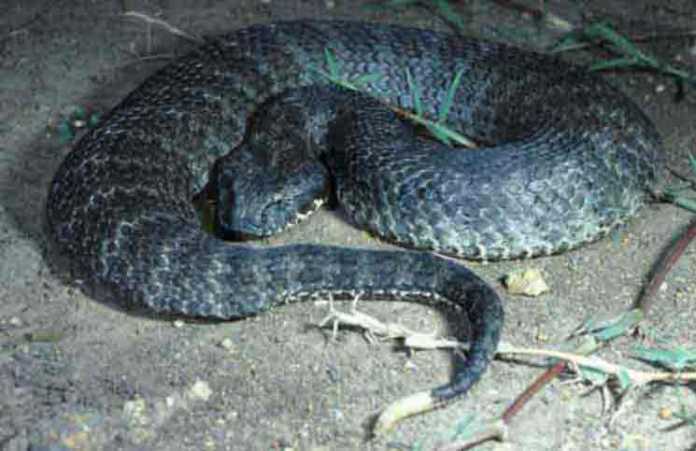
The Death Adder
Death Adder by CSIRO, [CC-BY-3.0 (http://creativecommons.org/licenses/by/3.0)]via Wikimedia Commons
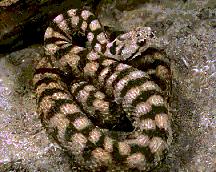
European Asp
European Asp

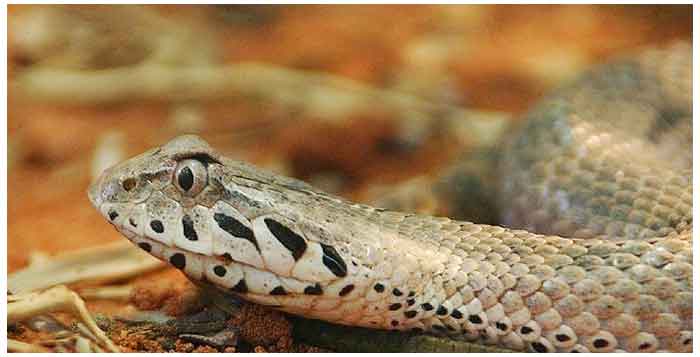
Asp is a common name for a venomous snake of the cobra species. Also called the Egyptian Cobra, it is found throughout Africa. The Asp was worshipped in ancient Egypt and was used as the symbol on the crown of the pharaohs. The Egyptian queen Cleopatra is believed to have killed herself with an asp. Other venomous snakes also known as Asps include the European Asp, or Asp Viper, and the Horned Sand Viper. See Cobra; Viper. Scientific classification: The Asp belongs to the family Elapidae and is classified as Naja haje. The European Asp, classified as Vipera aspis, and the Horned Sand Viper, classified as Cerastes cornuta, belong to the family Viperidae.

The European asp (Vipera aspis), one of approximately 60 species of vipers, ranges throughout the Mediterranean region of Europe but can be found as far north as Sweden. This moderately sized viper is characterized by a broadly triangular head covered by small scales and a vertically shaped pupil. When threatened the European asp will exhibit a hissing behavior accompanied by rapid, forward jerks of the head. The venom of this snake contains only a hemotoxin which affects the blood vessels and associated tissues and causes death by stopping the heart.

Death Adder
Death Adder. Photo by Petra Karstedt. CC-BY-SA-2.0-de. 

The Death Adder, Acanthopis antarcticus, is a large venomous snake also in the Cobra species family, Elapidae. It inhabits Australia and New Guinea and, unlike other cobras, resembles a viper in that it has a broad, triangular head and a short tail. Up to 80 cm (31.5 in) in length, the death adder is grayish brown with dark bands. Its small eyes, and scales protruding from the eyebrow, give a threatening appearance. A much feared snake, the Death Adder has extremely potent venom, and nearly 50 percent of untreated bites in humans result in death, attributed to respiratory arrest. The female is viviparous, typically bearing 10 to 12 live young.

The Spitting Cobra is any of several cobra species that are capable to “shoot” venom from their fangs. They do this only when they feel threatened. The sprayed venom is harmless on mammals skin, but if it reaches the eyes it can blind the target.

For more fast facts about Cobras click here.

For further discussion on snakes, scientific classifications, venom research and much more, check the resources available in “The New Encyclopedia of Snakes”, available on Amazon.com.
069113295X
Click here to take a glimpse at 
“The New Encyclopedia of Snakes” 

Cobra Venom vs Other Snakes: CASE STUDY

King Cobra
Photo By Hari Prasad (http://www.flickr.com/photos/hpnadig/4517042373/) [CC-BY-SA-2.0 (http://creativecommons.org/licenses/by-sa/2.0)], via Wikimedia Commons

Among snakes, cobras and coral snakes may be singled out as having a particularly neurotoxic venom; among other animals, the venom of arachnids also falls into the neurotoxic category. The spitting cobra can spray its venom from a distance of about 2.4 (about 8 ft) into the eyes of its victims, causing temporary blindness and great pain.
Cobra Venom
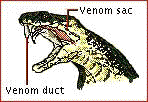
The Venom Sac and Venom Duct of the Cobra

Cobra Venom coming in contact with human eyes causes an immediate and severe irritation of the conjunctiva and cornea that, if untreated, may result in permanent blindness. The cobra venom, a neurotoxin, acts powerfully on the nervous system. With effective serum more available, however, the high death rate from cobra bites in some areas of Asia has decreased. Cobra Venom has been used for many years in medical research because it has an enzyme, lecithinase, that dissolves cell walls as well as membranes surrounding viruses.

A common misconception is that baby snake are deadlier than adults. While not proven scientifically, it would seem that an adult cobra can control the the amount of venom delivered, if any, with each bite, depending on the threat it feels. A baby snake has no control over the amount of venom delivered by its bite, thus always giving a full dose. A baby cobra is fully able to defend itself in as little as three hours after entering the world. Cobras are completely immune to the venom produced by their species.

COBRA VENOM, AND OTHERS…

Poison of animal origin, usually restricted to poisons that are administered by biting or stinging and used to capture—and, sometimes, aid in digesting—prey, or for defense. Thus the poisons secreted by the skin of some toads, or accumulated in the bodies of numerous inedible animals, are ordinarily not considered venoms. The most familiar venomous animals are certain snakes and insects and the spiders and other arachnids. Venomous species occur throughout the animal kingdom, however, including the mammals. Some shrews, for example, have venomous saliva, and the platypus bears poison spurs on its hind legs.

The severity of a venom’s effects depends on several factors, such as its chemical nature, the stinging or biting mechanism involved, the amount of venom delivered, and the size and condition of the victim. For example, all spiders are venomous, but the venoms of most are too weak or minute in quantity to have noticeable effects on humans; in addition, many spiders cannot even puncture human skin. Thus, few of them are poisonous to humans, but their venoms are quite effective on insect prey. Chemically, venoms vary greatly across the animal kingdom and are not readily defined. Snake venoms, for example, are complex mixtures of enzymatic proteins and different toxins. In terms of their effects, however, they may be broadly categorized as hemotoxic (damaging blood vessels and causing hemorrhage) or neurotoxic (paralyzing nerve centers that control respiration and heart action); they may also contain agents that promote or prevent blood clotting. Sometimes a combination of these effects is involved, however, and variations may occur within genera or even within species. The effects of insect stings are usually the result of histamines that produce local irritation and swelling.

Serums against various venoms can be produced by injecting animals such as horses with sublethal doses and extracting the immune serum, or antivenin, that the animal body produces. Venoms themselves have occasional medicinal uses; for example, some are used as painkillers in cases of arthritis or cancer, and some serve as coagulants for people with hemophilia.

Note the distinction between venomous and poisonous: venomous refers to a creature that has the ability to secrete or utilize it’s venom externally, while poisonous includes creatures that contain a poison substance. Often poisonous creatures are harmless unless eaten. Venomous creatures can often use their poison as a weapon. Cobras are all venomous, yet most are not poisonous, so long as the cobra venom glands are not eaten.

Venom Strength Comparison

NAME OF SNAKE                           QUANTITY VENOM DELIVERED                     LETHAL HUMAN DOSE

VARIOUS COBRAS                                    150-350 mg                                                18-45 mg

VARIOUS SEA SNAKES                                 1-15 mg                                                    2-4mg

INDIAN KRAIT                                              8-20 mg                                                    3 mg

EASTERN CORAL SNAKE                               3-5 mg                                                      4 mg

TIGER SNAKE                                               35-65 mg                                                   3 mg

AUSTRALIAN BROWN SNAKE                          5-10 mg                                                    3 mg

MAMBAS                                                       6-100 mg                                                  12-15 mg

PUFF ADDER                                                  160-200 mg                                              95 mg

GABOON VIPER                                             450-600 mg                                              180 mg

AMERICAN COPPERHEAD                               40-70 mg                                                   100 mg

COTTONMOUTH MOCCASIN                           100-150 mg                                               125 mg

RATTLESNAKES

EASTERN DIAMONDBACK                              400-700 mg                                               100 mg

WESTERN DIAMONDBACK                            200-300 mg                                                100 mg

TIMBER                                                          100-150 mg                                                75 mg

MOJAVE                                                          50-90 mg                                                    15 mg

BUSHMASTER                                                200-400 mg                                                150 mg

Hope you enjoyed this short post on the Cobra Venom, for more fast facts about Cobras click here.

[dropcap type=”1″]·[/dropcap]The Cobra has definitely become the most revered Snake on the planet. It’s not only the Cobra Venom, it’s the snake itself that has become a powerful Brand. A unique brand that portrays fear, awe and strength. It is used by dozens of corporations and organizations, from sport cars, golf clubs, insurance companies and up to the British National Emergencies Committee, called COBRA. There are also hundreds of products that take on the ‘Cobra’ brand, without being afraid.

COOL COBRA PRODUCTS

We’ve collected for you some of the most unique Cobra products, from the snake’s replicas, Cobra Apparel, Gadget design, Jewelery and even some beautiful walking sticks. Let us know what you think, and if you know of any other cool cobra stuff – please let us know!

We begin with the most basic of all. The things we wear…

Cobra Apparel

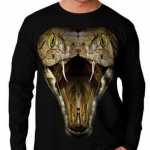
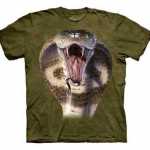
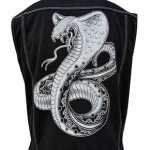
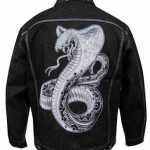
Cool clothing apparel such as t-shirts, jackets, vests and costumes are immensely popular among the young and old. We are all seeking for unique items to wear. Items that embody awe-inspiring powers of Cobra. The T-shirts made by Mountain Men and Wellcoda definitely complete that task. The cool Cobra Jacket and Cobra Vest are a great accessory for any bike rider, and the cute Cobra Costume is perfect for snake-loving kids.

 CLICK each Image for more info! CLICK the text at the bottom of each Image to get it directly at AMAZON.COM.  

Cobra Replicas

These stunning Cobra replicas and figurines bring the cobra fantasy and legend into life. There are Cobras made of rubber, stone resin, wood and even a bronzed Cobra. Some are used as great scary pranks in halloween, while others are used as statues of the most amazing snake in the world.

CLICK each Image for more info! CLICK the text at the bottom of each Image to get it directly at AMAZON.COM.  

Cobra Gadget Design

Since the computer revolution started, cases for smartphones, pads or laptops have been growing in popularity for years. It was perfectly natural that snake lovers would find their favorite creatures on these cases as well. There are cases for the iPhone, iPad and Samsung devices…

CLICK each Image for more info! CLICK the text at the bottom of each Image to get it directly at AMAZON.COM.  

Cobra Jewelery

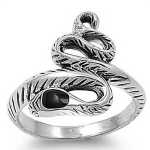
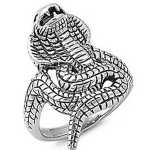
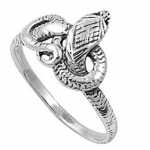
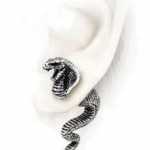
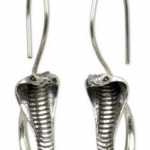
The incredible admiration to the Cobra and it’s mystique powers began thousands of years ago, when people used to decorate their bodies with Cobra designed Jewelry. They believed that wearing cobra artifacts would provide them with the snake’s powers. Today, people are still searching for these same powers. We can find different sorts of Cobra Jewelry such as necklaces, rings, earrings and pendants. Take a look…

CLICK each Image for more info! CLICK the text at the bottom of each Image to get it directly at AMAZON.COM.  

And least but not last, there are also dozens of Cobra products for the old among us, such as these beautiful Cobra Walking sticks…

CLICK HERE TO LEARN EVEN MORE!

For those of you who want even more detailed information about Cobras and other Snakes, we highly recommend the comprehensive encyclopedia about snakes, “The New Encyclopedia of Snakes”, available on Amazon.com. Click on the Book image on the left to get more details!

Cobra Predators: Can Any Animals Kill Him?

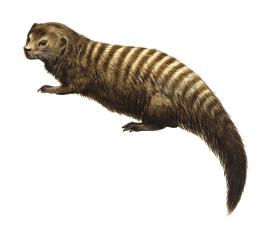
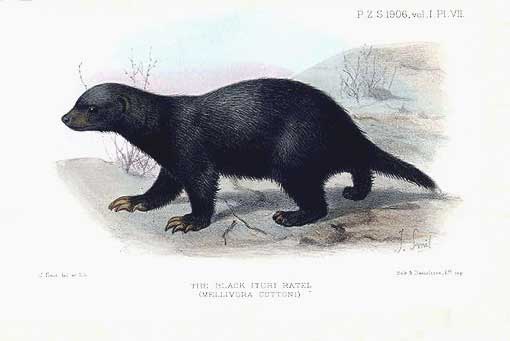
Black Ratel
Black Ratel by Joseph Smit [Public domain], via Wikimedia Commons

Mongooses are small carnivores of the family Viverridae. The true Mongooses make up the subfamily Herpestinae and include 13 genera and about 30 species, almost all native to Africa. The Madagascan mongooses, a second group, constitute the subfamily Galidiinae and consist of 4 genera and 7 species. In addition, some of the banded palm civets, subfamily Hemigalinae, are also known as Mongooses, including the Bornean Mongoose, Diplogale, and the Madagascan small-toothed Mongooses, or falanoucs, Eupleres. Conversely, certain Mongooses are popularly called suricates, meerkats, cusimanses, or ichneumons.

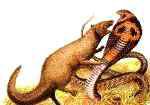
Mongoose vs Cobra
Mongoose vs Cobra

Mongooses typically have a pointed head, a long tail, and thick hair except on the lower legs. They are commonly terrestrial, diurnal, and solitary. The suricate, Suricata suricatta, of southern Africa, however, lives in colonies; the African marsh Mongoose, Atilax paludinosus, is semiaquatic; and the little-known Madagascan Mongoose, Galidia, can be found in trees. Mongooses feed on a wide variety of foods, including small mammals, reptiles, birds’ eggs, and insects.

Mongoose
Mongoose

Among the better-known Mongooses are those of the genus Herpestes, which range from southern Europe into Africa and southern Asia. The Indian gray mongoose, H. edwardsi, which may reach 50 cm (20 in) long plus a 41-cm (16-in) tail, and weigh about 2.3 kg (5 lb), is the one portrayed in Kipling’s Jungle Book. The similar gold-spotted Mongoose, H. javanicus or H. auropunctatus, was introduced into the Hawaiian Islands and to the West Indies and other Caribbean islands to control rats and snakes; although it did feed on rats and snakes, it concentrated on and seriously depleted populations of native birds and mammals. Mongooses of this genus are famous for their snake-fighting ability and are often portrayed fighting a cobra.

Research has shown that although the mongoose is tolerant of small dosages of cobra venom, it is not immune to it. Mongooses are almost always victorious because of their speed, agility, and timing and also because of their thick coat. They are one of the only perfect Cobra Predators.

The Ratel, or Honey Badger, Mellivora capensis, in the weasel family, Mustelidae, is a carnivore that lives in brushlands and forests of Africa, India, and the Middle East. It is also regarded as a mighty cobra predator. Its thick coat is gray above and black below. The skin is loose but very tough. The animal is about 60 cm (2 ft) long, excluding its tail, and is a good climber, living in trees as well as in burrows. It likes honey, and the HONEY GUIDE, or indicator bird, leads it to the nests of wild bees. The Ratel also feeds on rodents and reptiles, even the cobra.

The Secretary Bird is a very large, mostly terrestrial bird of prey, found in open grasslands and savannah of the sub-Saharan region. This unique hunting bird will stalk its prey through the habitat with long strides. Its prey includes insects, mammals, lizards, bird eggs, snakes – including Cobras, and also the main Cobra Predator – the Mongoose.

Although the role of snakes and cobras in the diet of the Secretary Bird has been overplayed, it does have the unique ability to hunt the mighty venomous snake. How? The Cobra is usually stunned or killed by the Secretary Bird jumping on its back, snapping its neck or back. Some reports claim that when it captures venomous snakes, the Secretary Bird will fly up with its prey and drop it to its death.

Watch the Secretary Bird Eating an Egyptian Cobra:


Black Ratel
Black Ratel by Joseph Smit [Public domain], via Wikimedia Commons. Click to enlarge

Who is the No. 1 Among the Cobra Predators? 

Man is one of the most dangerous among the Cobra predators. Unlike the Ratel and Mongoose, whose small numbers and chance at loosing the fight create a natural balance, man captures the Cobra with relative impunity. Cobra skins are one of the most highly prized of the exotic leathers, commanding prices as high as two-hundred US dollars. It is said that “a cobra hunter always returns victorious” (because if unsuccessful, they do not return). Since cobras naturally maintain high populations in Asian countries, no protective legislation has ever been proposed. Only in Egypt, where the Egyptian Asp is revered as a religious symbol are cobras protected in any way. Due to their deadly nature, import/export of cobras is closely controlled in every civilized nation in the world. Many types of cobras, usually with their venom removed, are available through various black markets around the world. Banded cobras, or Asps, are fairly readily available through the south eastern United States black market. Saudi royalty is said to have a thriving stock of cobras for use as pets, but this is unconfirmed.

For more fast facts about Cobras click here.

The Cobra has definitely become the most revered Snake on the planet. It’s become a powerful Brand by itself. A unique brand that portrays fear, awe and strength. It is used by dozens of corporations and organizations, from sport cars, golf clubs, insurance companies and up to the British National Emergencies Committee, called COBRA. There are also hundreds of products that take on the ‘Cobra’ brand, without being afraid.

WANT MORE FACTS ABOUT THE MIGHTY KING COBRA?
VISIT OUR KING COBRA PAGE!

Html code here! Replace this with any non empty text and that's it.

COOL COBRA PRODUCTS

We’ve collected for you some of the most unique Cobra products, from the snake’s replicas, Cobra Apparel, Gadget design, Jewelery and even some beautiful walking sticks. Let us know what you think, and if you know of any other cool cobra stuff – please let us know!

We begin with the most basic of all. The things we wear…

Cobra Apparel

Cool clothing apparel such as t-shirts, jackets, vests and costumes are immensely popular among the young and old. We are all seeking for unique items to wear. Items that embody awe-inspiring powers of Cobra. The T-shirts made by Mountain Men and Wellcoda definitely complete that task. The cool Cobra Jacket and Cobra Vest are a great accessory for any bike rider, and the cute Cobra Costume is perfect for snake-loving kids.

 CLICK each Image for more info! CLICK the text at the bottom of each Image to get it directly at AMAZON.COM.  

Cobra Replicas

These stunning Cobra replicas and figurines bring the cobra fantasy and legend into life. There are Cobras made of rubber, stone resin, wood and even a bronzed Cobra. Some are used as great scary pranks in halloween, while others are used as statues of the most amazing snake in the world.

CLICK each Image for more info! CLICK the text at the bottom of each Image to get it directly at AMAZON.COM.  

Cobra Gadget Design

Since the computer revolution started, cases for smartphones, pads or laptops have been growing in popularity for years. It was perfectly natural that snake lovers would find their favorite creatures on these cases as well. There are cases for the iPhone, iPad and Samsung devices…

CLICK each Image for more info! CLICK the text at the bottom of each Image to get it directly at AMAZON.COM.  

Cobra Jewelery

The incredible admiration to the Cobra and it’s mystique powers began thousands of years ago, when people used to decorate their bodies with Cobra designed Jewelry. They believed that wearing cobra artifacts would provide them with the snake’s powers. Today, people are still searching for these same powers. We can find different sorts of Cobra Jewelry such as necklaces, rings, earrings and pendants. Take a look…

CLICK each Image for more info! CLICK the text at the bottom of each Image to get it directly at AMAZON.COM.  

And least but not last, there are also dozens of Cobra products for the old among us, such as these beautiful Cobra Walking sticks…