

Home Blog Page 26

Cobra News: Old Excerpts

Cobra News
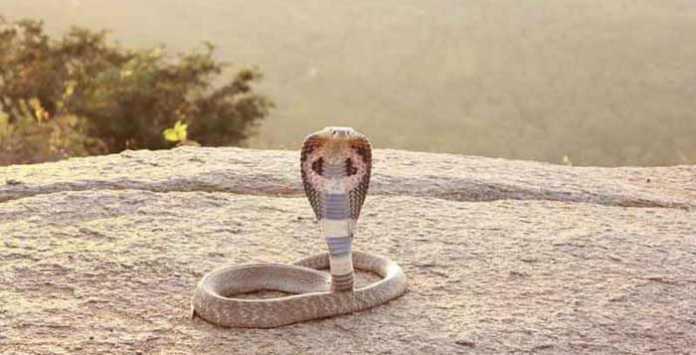
Photo by KF

* These Cobra news excerpts were written by Cobra Master John Klein back in the 90’s, as he founded Cobras.org and built it as one of the first Cobra-related websites. As said, it is a piece of Internet history, and should be treated as such.

Cobra News are “All the news no one else would print”

 Herpetology news: BIG news! The Venom-List Discussion Group has found a home here at the Cobra Information Site! This is a place where some of the world’s preeminent experts on venom research and toxicology will discuss issues related to envenomation, venom, poisons, toxicology, herpetology, taxonomy and CITES issues.

Herpetology News: I’ve updated the “Cobras Who’s Who”. Many of the world’s experts, whose wisdom you will experience on the Venom-List and it’s Discussion Group, are listed in the CWW. The CWW is also a place where you can find lay people with useful knowledge as well. Hot-keepers and breeders that have what scientists call “allegorical data” can be quite helpful if you are interested in husbandry or hobbyist matters.

HotKeeper Cobra news: Some interesting new legislation has been passed in a number of states with regard to the keeping of venomous reptiles. In response to a few incidents that have made the news over the last few years, legislators have tightened regulations dealing with who can keep venomous reptiles, where, and how. Much of the discussion has come as a result of international regulations. Don’t forget to check your local as well as state laws & regulations before purchasing any reptile. Stay tuned for more as I hear it.

HotKeeper Cobra news: Here’s another fine example of why just anyone shouldn’t keep venomous snakes. It always amazes me how surprised everyone seems to be when a deadly snake bites it’s keeper. That’s what snakes do… they bite. It’s their natural defense and feeding system. If you intend to keep venomous herps, be prepared to be bitten, and be prepared to save your life. Also, DO NOT keep venomous herps where it is not legal to do so… you may get bitten by the government instead.

“First Hand” account from a woman who was bitten by a northern Copperhead. Bites are both painful, and expensive!

For more fast facts about Cobras click here.

For further discussion on snakes, scientific classifications, venom research and much more, check the resources available in “The New Encyclopedia of Snakes”, available on Amazon.com.

069113295X
Click here to take a glimpse at 
“The New Encyclopedia of Snakes” 

[dropcap type=”1″]1[/dropcap]If you feel like a having a real Book on Snake Bites, then get this book:Snakes and Snakebite‘ by Visser, J. & Chapman D.S.

[dropcap type=”1″]2[/dropcap]And if you love African Hot snakes, this is THE Book for you:  ‘Dangerous Snakes of Africa’ by Spawls, S. and Branch, B.

Snake Bite First Aid: GUIDE

snake bite first aid
Snake Bite First Aid
This is intended to be a Guide.

Snake Bite First Aid

snake bite first aid
Snake Bite Kit on Amazon. Click for more details!

The first thing is to remain calm. If you can identify the snake do so. It is better if you can safely take it with you to the hospital to be sure of getting the right anti-venin. However do not risk more bites to do so. Remember the first rule of rescue: Do not create any more victims or risk further injuring the current victim. Treat for microbial infection. Bacteria which cause tetanus and gas gangrene have been isolated from the mouths of poisonous snakes. Cleanse the wound and if possible disinfect with Betadyne or other effective antiseptic. Cleansing and disinfecting the wound is the single most effective treatment you can give in the field. For this purpose – I always recommend having a Snake Bite First Aid Kit at hand, for any case. The victim should also be sure his tetanus vaccine is up to date. Definitive treatment requires a physician who will administer anti- venom as well as other treatment. Most antivenin is made with horse serum so try to find out if the patient has any allergy to it and if so be sure the doctor is informed of that fact. Keep the patient as quiet as possible and evacuate quickly to medical facilities.

Snake bite first aid
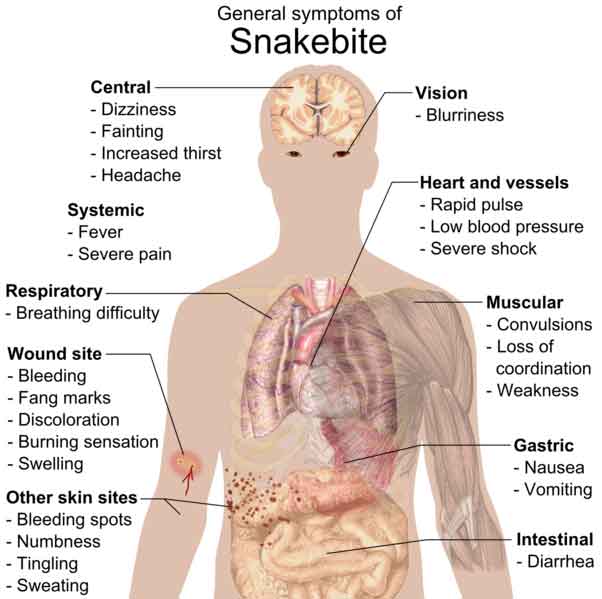
Snakebite Symptoms by Häggström, Mikael. “Medical gallery of Mikael Häggström 2014”. Wikiversity Journal of Medicine 1 (2). DOI:10.15347/wjm/2014.008. ISSN 20018762. , via Wikimedia Commons

A word about the cobra: Most of the snakes of this species have a venom high in neurotoxin as described above. This is particularly difficult to treat, both in the field and in a medical facility. The standard antivenin (antivenom) is less effective against it than against venoms with a higher percentage of hemolytic toxins. It is especially important to start treatment quickly for a cobra bite. The bitten limb must be immobilized and spread of the venom slowed as much as possible. This is one case where it would be worth an extra effort to remove the venom if the conditions below can be met. Also be extra diligent to in transporting the victim quickly to a hospital. Be prepared to provide breathing assistance. A victim alone should try to evacuate himself to medical facilities, even if this includes walking. Obviously he should do no more exercise than absolutely necessary. If the victim is accompanied by only one other person that person should do as much treatment as can be done quickly, then go for help. Larger groups should send someone for help while others stay to provide as much treatment as they can, or start to evacuate the patient if possible. The object is to get the victim to a medical facility quickly with as little rough handling or movement on his part as possible. Helicopter evacuation is preferred but even having an ambulance at the trailhead is a great help. Try to slow the spread of the venom. Use constricting bands above and below the site of the bite. These should *not* be tight enough to cut off circulation, all you want to do is slow down the movement of the fluids under the skin. Keep watching these bands, they should not be on a swollen area and you may have to move them as swelling increases.

To re-iterate: Do not cut off circulation. A more recent development for immobilizing the venom is to wrap the area snugly with fabric and immobilize the limb with a splint. Any type of fabric, including elastic bandages, works well. Just be sure it is not tight enough to cut off blood circulation and watch for swelling which might make it too tight. The bitten limb should be immobilized, especially if bitten by an elapid such as a coral snake. Treat it like a fracture. You will not be able to remove very much of the venom, almost none in an elapid bite where the chewing will have dispersed it. However, you should try if *all* of the following criteria are met:

1) You can start venom removal within 10 minutes (thereafter it tends to be so dispersed that you will not likely be very effective)

2) You have appropriate suction devices to remove it. This means a syringe style suction device, the rubber suction cups often sold in “snake-bite kits” do not develop enough suction to do the job. It is not necessary to cut the wound to suck out venom, it went in through the fang marks and can come out the same way. You should not try to suck it out with your mouth. That is not likely to be effective, risks venom getting into your bloodstream via an open sore, and most importantly is likely to further contaminate the wound. If you lack an appropriate suction device, forget it. If you do try to remove the venom, place the suction device over the fang marks. They may not always be obvious if the snake has bitten hard enough to leave marks from other teeth also. Be aware that you are not going to get out much of the venom. Removal of 5 to 15% would be about all you can expect. The sooner after the bite you start the more effective you will be, the venom disperses quickly.

Do not cut into the flesh around the fang marks. While this can, in rare cases, facilitate removal of venom it is also very dangerous. Unless you really know what you are doing you may do more damage than the snake did. Muscles, nerves, and blood vessels may all be in the area and you can damage them, sometimes permanently.

Cold Therapy is mentioned only to *strongly* advise against its use. It is *not* effective and, particularly in the case of a pit viper bite, will impede recovery. Cold will restrict circulation already compromised by the damage to blood vessels. Furthermore, the body’s principle detoxifying mechanism appears to be the action of antibodies against the venom. Lowering of the temperature retards access of antibodies to the toxins. Cold therapy apparently was proposed on the assumption that the venom is an emzyme. In fact most are peptides which cooling does not inactivate.

The most effective thing you can do is to be prepared. Carry a cell phone or other means of emergency communication when hiking or camping, and know how to reach rescue personnel. Carry a Snake Bite First Aid kit when you will be in proximity of venoms snakes, including horseback or motor vehicle trips in these areas, especially if professional trauma level care is not readily available.

Remarks:

Competent medical attention should always be sought at the earliest opportunity.

1) Snakebite treatment for medical professionals is discussed here.

2) A very interesting discussion of snakebite with lots of facts and info is listed here.

3) And here’s a great snakebite first Aid kit to keep on hand…Just in case.

Coghlan’S Snake Bite First Aid Kit

For more fast facts about Cobras click here.

For further discussion on snakes, scientific classifications, venom research and much more, check the resources available in “The New Encyclopedia of Snakes”, available on Amazon.com.

069113295X
Click here to take a glimpse at 
“The New Encyclopedia of Snakes” 


If you feel like a having a real Book on Snake Bites, then get this book:Snakes and Snakebite‘ by Visser, J. & Chapman D.S.

And if you love African Hot snakes, this is THE Book for you:  ‘Dangerous Snakes of Africa’ by Spawls, S. and Branch, B.
Snake Poem by an 8 year old: Animals, Animals

snake poem
Animals, Animals

Snake Poem: Animals, Animals – By Alex Cornelius

Animals, Animals are so kind,

Some can even slither,

It lives on land,

Some have two legs,

Some have four,

Some have none at all.


Animals, Animals are so good,

They can slither or run around.

Sometimes it spits and sometimes not,


The fastest animal of them all,

Is the Cheetah,

But it lives on land of course.


My favorite animal is the snake,

Because it’s smooth and wet.

And sheds its skin,

And some eat lots of eggs.


Animals, Animals are so great,

The worst one is King Cobra,

It has very sharp fangs.

Most people are scared of it,

But not me, I quite like it!

    • This wonderful snake poem was sent to us by Alex – aged 8.
    • Copyright : Alex Cornelius ’96
    • Alex Cornelius can be e-mailed at [email protected]

We encourage you or your family members or friends to send us any artistic creation you wish to share with us and our readers, that has to do  with Cobras, Snakes and Reptiles. We will gladly publish it on our site and social outlets.

For more fast facts about Cobras click here.

For further discussion on snakes, scientific classifications, venom research and much more, check the resources available in “The New Encyclopedia of Snakes”, available on Amazon.com.

069113295X
Click here to take a glimpse at 
“The New Encyclopedia of Snakes” 

If you feel like a having a real Book on Snake Bites, then get this book:Snakes and Snakebite‘ by Visser, J. & Chapman D.S.

And if you love African Hot snakes, this is THE Book for you:  ‘Dangerous Snakes of Africa’ by Spawls, S. and Branch, B.
FEATURE: Beautiful But Deadly Creatures Both Kill And Cure

Written By Maggie Fox, Health and Science Correspondent

NEW YORK (Reuters) – The tiny red-and-yellow striped frog looked harmless enough but just a single touch to the skin of the jewel-like creature could mean instant death.

For weeks it had been kept carefully imprisoned and denied the insects it normally ate. What Edson Albuquerque and his colleagues hoped was that their theory would prove right — the frog got its alkaloid poisons from eating ants or some other insect and the toxins would disappear after the special diet.

“To prove whether this was true we held the frog in our hands to see whether it would kill us or not,” Albuquerque told a recent seminar. That he was alive to tell the tale showed the value of his theory.

But the poison-dart frog is more than a curiosity. People living in the Amazon for centuries used the toxins produced by the frogs on arrows and darts to hunt with — thus the name.

Aimed at a monkey high in a tree, they were mercilessly deadly.

”One shot and goodbye,” Albuquerque said. Now it seems these poisons could benefit more than just hunters. Chemical analysis has shown they are targeted at some of the most basic cell processes, and just a little tweaking can turn something deadly into a valuable human drug.

For instance, fugu pufferfish are a thrilling delicacy in Japan because they must be prepared by an expert chef or the gourmet who eats them may die. The reason is tetrodoxin, a poison that is “exquisitely” targeted against sodium channels, according to Dr. Bruce Bean of Harvard Medical School.

Sodium channels are molecular doorways on the surface of the cell that control how much sodium goes in and out. Tetrodoxin acts to prop open the sodium channels, letting too much sodium into the cells and destroying them.

‘NATURE PROVIDED IT’

“This is a molecule that you would never think of making from scratch but nature provided it,” Bean told a seminar in New York on the value of animals, plants and microbes to human health sponsored by the American Museum of Natural History.

Scientists have begun to appreciate this and are combing nature for new compounds. For example, one of the poisons made by the tiny Amazon frogs, known as batrachotoxin, also works against sodium channels.

Since the frog does not make the poison, as Albuquerque’s experiment proved, why does it not die when it eats the ants or whatever it is that does make the poison? “Over millions of years the frog has made subtle modifications of the receptor molecule and it has become insensitive to the effects of batrachotoxin,” Albuquerque said.

If scientists could figure out just what the modifications are, they could possibly use the same mechanism to treat human diseases in which sodium can destroy cells such as Alzheimer’s and Parkinson’s, both fatal and incurable brain diseases.

Another of the little Amazon frogs, the epipedobates, produces epibatadine. This chemical works on the nicotinic receptor, another important cellular doorway best known because one of the chemicals whose effects it mediates is nicotine.

Abbott Laboratories says the effects of epibatidine can help scientists understand diseases ranging from Alzheimer’s to epilepsy. Michael Williams, head of neurological and urological diseases at Abbott, said the company was developing a synthetic version it calls ABT-594.

PAINKILLER WITH 200 TIMES POWER OF MORPHINE

Epibatidine can also act as a painkiller — one that is 200 times more powerful than morphine — but it does not work though the opioid mechanism that morphine uses.

“Unlike morphine it lacks the major side-effects that make morphine undesirable,” Williams said. These include constipation, addiction and the need to keep using use more of the drug to get the same effect.

Other poisonous animals kill in other ways and can offer intriguing new treatments for a range of diseases. Robert Gould, executive director of pharmacology at Merck Research Laboratories, tells how snakes can help prevent heart attacks.

Researchers at Merck knew the Indian tree viper’s bite caused victims to bleed to death. Thinking the venom might carry an agent useful for fighting blood clots, which cause heart attacks and stroke, they started milking snakes for their venom and analyzing it.

They isolated a protein they named echistatin from a viper found in North Africa. It had some components that were similar to fibrinogen, which helps “glue” blood platelets together to make clots, so they knew they were on the right track.

A little fiddling in the lab and they came up with a small molecule that could stop platelets from aggregating. They developed it into Aggrastat, known generically as tirofiban, and doctors who advise the Food and Drug Administration have urged the FDA to approve it for preventing heart attacks in people with unstable angina or who have had an attack already.

It could be on the market within a few months as the FDA usually follows the advice of its advisory committees. Some of the deadly creatures that can provide useful medicines live in the sea. William Fenical, director of the Center for Marine Biotechnology and Biomedicine at the Scripps Institution of Oceanography in San Diego, says a soft coral known as pseudopterogorgia, the Caribbean sea whip, produces a compound that can control inflammation and pain.

“This is the future for breast and ovarian cancer,” he said.

REUTERS

Types of Cobras: The Secret List

Cobra Taxonomy
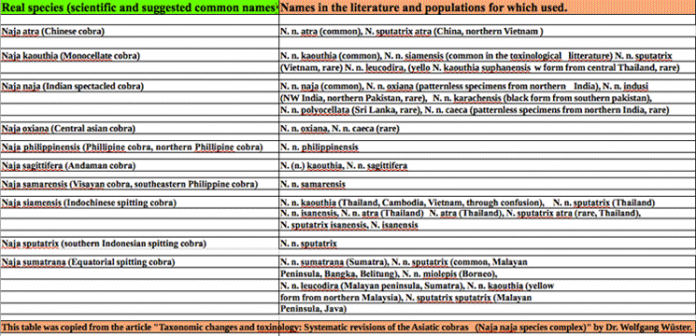
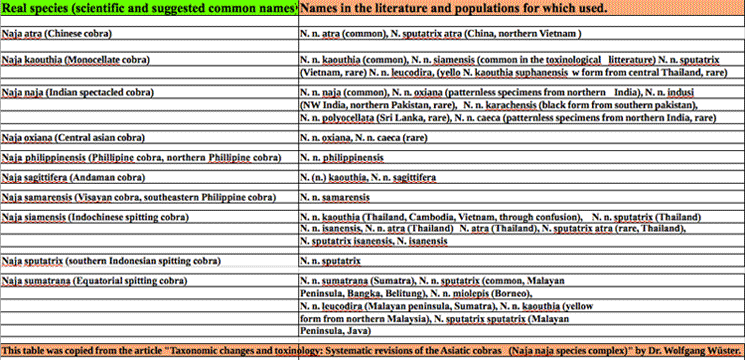
Cobra Taxonomy Chart
Cobra scientific classifications

There are dozens of types of cobras around the world, from the Indian Spectacled Cobra, Chinese Cobra, or the Philippine Cobra in Asia, and up to the African species like the Egyptian Cobra, the Cape Cobra or the Black Spitting Cobra. We bring you a detailed list of Asiatic and African cobra species:

Asiatic Types of Cobras: (Wüster)

Types of Cobras
Cobra Taxonomy Chart. Click to enlarge!

This table was copied from the article “Taxonomic changes and toxinology: Systematic revisions of the Asiatic cobras (Naja naja species complex)” by Dr. Wolfgang Wüster.

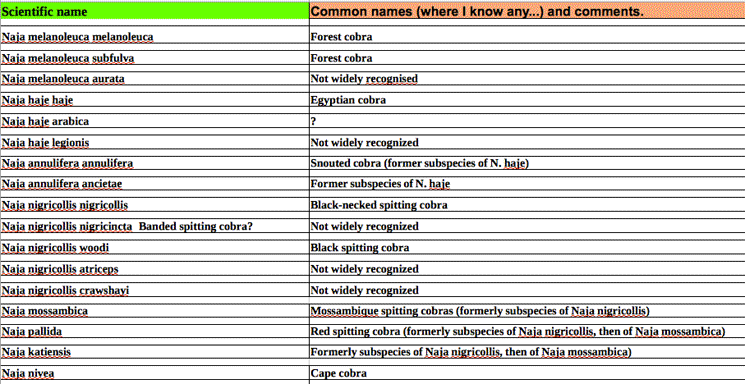
African Types of Cobras:

Types of Cobras
African Cobras. Click to enlarge!


References:

W, Wuster (1996) Taxonomic changes and toxinology: Systematic revisions of the Asiatic cobras (Naja naja species complex) Toxicon, 34(4),: 399-406

Branch, B. & Spawls, S.(1995) The Dangerous Snakes of Africa: Natural History, Species Directory, Venoms & Snakebite Ralph Curtis Publications

Broadley, D.G. (1995) The snouted cobra, Naja annulifera, a valid species in southern Africa. J. Herp. Assoc. Africa 44(2): 26-32.

Other Classification Methods:


Classification of venomous snakes (Linnaeus)

– class: reptilia

– order: squamata

– sub order: serpentes

– infra order: caenophidea

– family: elapidae

– sub fam: elapinae

– sub fam: hydrophiinae

– sub fam: laticaudinae

Classification based upon positioning and shape of the teeth (Rosenberg)

– Proteroglyphs: Anterior maxillary teeth are deeply grooved, usually with the edges fused to enclose a canal. They are enlarged and there are usually smaller teeth behind the fangs, up to about eight in number. Sometimes they too are grooved.

For more fast facts about Cobras click here.

WANT MORE FACTS ABOUT THE MIGHTY KING COBRA?
VISIT OUR KING COBRA PAGE!

Html code here! Replace this with any non empty text and that's it.

For further discussion on snakes, scientific classifications, venom research and much more, check the resources available in “The New Encyclopedia of Snakes”, available on Amazon.com.

069113295X
Click here to take a glimpse at 
“The New Encyclopedia of Snakes” 

If you feel like a having a real Book on Snake Bites, then get this book:Snakes and Snakebite‘ by Visser, J. & Chapman D.S.

And if you love African Hot snakes, this is THE Book for you:  ‘Dangerous Snakes of Africa’ by Spawls, S. and Branch, B.

Keeping Reptiles: Can You Keep Cobras?

Snake Charmers
Snake Charmers in India by Particlem. File: http://bit.ly/ZatGxz, CC License: http://bit.ly/1mhaR6e

Keeping reptiles is a challenging task, but rewarding as well. For those readers wondering, here’s a little more info on my two friends:

Cleo, the African Spitting Cobra, died after three years from an untreatable infection brought about by complications from surgery received before she was in my care. I have since learned that this sub-species is known as the Red Spitter (Naja pallida…thanks Graeme).

I knew nothing about cobras when I obtained this creature, so it was a trial-by fire learning experience that I wouldn’t recommend to anyone. This convinced me that only experienced herpers should attempt to keep cobras. Keeping reptiles has little to do with Cobras…

keeping reptiles
John Klein’s King Cobra. Click to enlarge!

After 5 years, Kachsa Khan and I parted company when he reached 12’4″, and I was no longer capable of handling him. I donated him to one of the world’s largest, most respected snake zoos, where he lives to this day. They got a kick out of the fact that he would respond to his nickname, Monty, which I gave him as a joke so people wouldn’t pre-judge my “pet” before meeting him. They had to build a special viewing area for him, to protect the public. From what I have heard, he has never attacked any of his handlers, is relatively well mannered for a King Cobra, and remains one of their premier attractions.

Neither of my snakes ever bit anyone other than myself. That notwithstanding, I do not advocate the keeping of venomous herps of any kind without the proper training and facilities. The “Junglesphere” I refer to was a professionally designed terra-environment that was guaranteed escape-proof, and was always kept locked. Kachsa was only removed form from this safe-haven when I was positive of external security, and then only for milking or examination.

Keeping Reptiles is not Keeping Cobras

Anyone that thinks they can own a cobra is a fool. You can keep a cobra, but no one owns one. If you are thinking it would be “neat” to have a cobra, think twice. They are one of the least tenable species of pets in the world…they make a noise like a tornado, they are aggressive, temperamental, finicky eaters, fairly expensive to maintain (just *try* taking your cobra to the local vet for a checkup…hehehe), and most of all, very deadly if not venomoid.

All things considered, if you do want to be keeping reptiles, get a constricting snake, or a King Snake if you want action. Keep in mind that there are legal considerations with venomous snakes as well. The turmoil caused by the escaped cobra in Stonham, Mass. is a fine example of what can happen to careless handlers.

For more fast facts about Cobras click here.

The Cobra has definitely become the most revered Snake on the planet. It’s become a powerful Brand by itself. A unique brand that portrays fear, awe and strength. It is used by dozens of corporations and organizations, from sport cars, golf clubs, insurance companies and up to the British National Emergencies Committee, called COBRA. There are also hundreds of products that take on the ‘Cobra’ brand, without being afraid.

Cool Cobra Stuff…

We’ve collected for you some of the most unique Cobra products, from the snake’s replicas, Cobra Apparel, Gadget design, Jewelery and even some beautiful walking sticks. Let us know what you think, and if you know of any other cool cobra stuff – please let us know!

We begin with the most basic of all. The things we wear…

Cobra Apparel

Cool clothing apparel such as t-shirts, jackets, vests and costumes are immensely popular among the young and old. We are all seeking for unique items to wear. Items that embody awe-inspiring powers of Cobra. The T-shirts made by Mountain Men and Wellcoda definitely complete that task. The cool Cobra Jacket and Cobra Vest are a great accessory for any bike rider, and the cute Cobra Costume is perfect for snake-loving kids.

 CLICK each Image for more info! CLICK the text at the bottom of each Image to get it directly at AMAZON.COM.  

Cobra Replicas

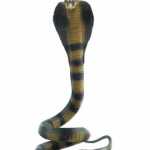
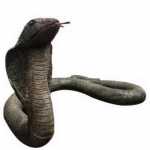
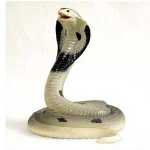
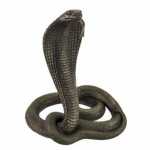
These stunning Cobra replicas and figurines bring the cobra fantasy and legend into life. There are Cobras made of rubber, stone resin, wood and even a bronzed Cobra. Some are used as great scary pranks in halloween, while others are used as statues of the most amazing snake in the world.

CLICK each Image for more info! CLICK the text at the bottom of each Image to get it directly at AMAZON.COM.  

Cobra Gadget Design

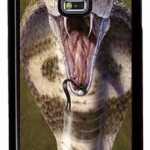
Since the computer revolution started, cases for smartphones, pads or laptops have been growing in popularity for years. It was perfectly natural that snake lovers would find their favorite creatures on these cases as well. There are cases for the iPhone, iPad and Samsung devices…

CLICK each Image for more info! CLICK the text at the bottom of each Image to get it directly at AMAZON.COM.  

Cobra Jewelery

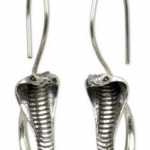
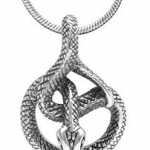
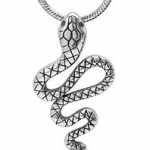
The incredible admiration to the Cobra and it’s mystique powers began thousands of years ago, when people used to decorate their bodies with Cobra designed Jewelry. They believed that wearing cobra artifacts would provide them with the snake’s powers. Today, people are still searching for these same powers. We can find different sorts of Cobra Jewelry such as necklaces, rings, earrings and pendants. Take a look…

CLICK each Image for more info! CLICK the text at the bottom of each Image to get it directly at AMAZON.COM.  

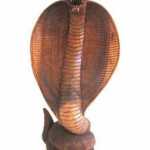
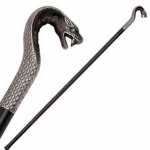
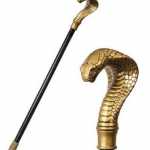
And least but not last, there are also dozens of Cobra products for the old among us, such as these beautiful Cobra Walking sticks…

For deeper discussion on snakes, scientific classifications, venom research and much more, check the resources available in “The New Encyclopedia of Snakes”, available on Amazon.com.

069113295X
Click here to take a glimpse at 
“The New Encyclopedia of Snakes” 


If you feel like a having a real Book on Snake Bites, then get this book:Snakes and Snakebite‘ by Visser, J. & Chapman D.S.

And if you love African Hot snakes, this is THE Book for you:  ‘Dangerous Snakes of Africa’ by Spawls, S. and Branch, B.

 

Transporting a Snake That is Venomous

Transporting Venomous Snakes

HOTS 101: Part 3

By Allen Hunter

After the first two articles on rules and tools, I felt that this article should address transporting a snake that is venomous. For if done improperly, can potentially lead to many types of peril, as I will point out some of the hazardous methods I’ve encountered.

Over the years, I’ve seen some truly horrendous methods of moving hot stuff and I must say that I’m surprised that nothing got loose or someone got bit or both. For a perfect example of what I’m talking about, let me tell you about an episode that could have been disastrous had we been in a car accident without a proper container:

In the mid-80’s, a well known herper and myself were in a taxi, headed to a farmhouse just outside the city to pick up a huge, near-record size 8.5ft. Black-neck spitting cobra (Naja nigricollis). The previous owner assured me that the snake would be properly bagged and boxed in a wooden shipping crate, ready to go when I got there. Upon arrival, we were rather dismayed to find out that he could not find a bag large enough to contain or get this big, active cobra into easily. What we were confronted with however, was a un-bagged huge spitter, simply placed inside a large green Rubbermaid garbage pail with the lid held on by four pieces of duct tape. And only 6″ long pieces at that! He stated that it was also the last bit of duct tape he had, but it should hold till I got home with the snake. After an angry and colourful verbal exchange, I cursed myself for not coming prepared with a grab stick, hooks and face shield should anything happen on the way home. So I took the pail holding my magnificent new beastie and jumped in the back seat of the waiting taxi for the 40 min. ride home.Snakebite Kit

In terms of driving skills, cabbies are an entity unto themselves. Most are fast, aggressive drivers with little regard for safety and ours was no exception, adding to my increasing anxiety. For the next 20 mins., every time we hit a bump or pothole in the road, the cobra would let out a loud, whooshing cat-like hiss. And every time it did this, I would see the driver look back nervously at the pail and then at me while I was trying to keep my composure. A few more hisses later, he finally asked me what the hell was making all that noise in the pail. And playing on the layman’s ignorance, I told him it was a big, ol’ nasty snapping turtle and he seemed satisfied with that as almost no one is offended by the presence of a turtle, snapper or otherwise.

At about 10mins. from my house, this big cobra, with a head about 3″ across and a body as thick around as my forearm, had decided he’d had just about enough of this smelly pail and bumpy ride and suddenly pushed up on the lid- HARD. So hard in fact that one of the pieces of duct tape holding the lid promptly gave way, but I just saw it out of the corner of my eye and threw both arms over the lid to keep it in place. And awkwardly there I stayed, draped over this garbage pail with a big deadly snake inside it for the remainder of the trip, which happily ended without incident. But, you can see the possibilties for catastrophe here. Because the snake was un-bagged with a cheesy container, that big and strong, and if I hadn’t been paying attention to that lid, we may have been faced with a large loose cobra inside a moving car with three people in it and no handling tools. NOT A PLEASANT SCENE!! Possibly even worse, we could have been in an accident and suddenly have a large cobra loose on the road with no handling tools to recapture it, if we weren’t injured ourselves!

Some other equally horrendous transport methods I’ve heard of:

  • Moving a sub-adult pair of Cascabels in a taped-up six pack box.
  • Carrying a sub-adult E.Diamondback rattler home on the bus, bagged and wrapped in a towel, inside his parka in a snowstorm in Jan.!
  • A guy bringing me an E.Massasauga inside a workboot.
  • A drunken acquaintance of mine walking into a bank to cash a cheque, and placing a scotch-taped paper bag(!) containing 2 Saw-scale vipers on the counter in front of him (Yikes!)
  • Transporting a snake x 2: Transporting a large pair W.Diamondbacks in a Styrofoam fish box on the notorious Jane St. bus at 2 a.m. And then being hassled by three gang punks who wanted to rob him of the box, only to flee in terror after a sharp rap on the box produced the unmistakable sound that only rattlesnakes are famous for!

As you can see, these are NOT the recommended methods of moving venomous snakes. The first error here is improper containers, the second are the modes of transportation. Lets examine them separately;

Ready for Transporting a Snake? Think BOXING

Before consideration of the transport box, emphasis must be placed on making sure the snake is securely bagged. Strong cloth bags, usually pillow cases, are used and the keeper must make absolutely sure there are no holes, frays or rips in the material no matter how small. No one wants to have an unexpected surprise when they open the box at their destination. So when transporting a snake, before bagging the snake, I hold the bag at the top with one hand and forcefully run my finger of the other hand down the side seams and push hard on the bottom corners, much the same as a snake would do while in the bag. After getting the snake into the bag (which is easier said than done with some species, another article maybe), make sure the knot on the bag is TIGHT. Be sure while tying the knot to keep your hands, arms and feet away from the end of the bag containing the snake. Venomous snakes (especially viperids) can easily bite through bags. This accomplished by first quickly twisting the bag shut (making sure you don’t twist the snake in with it!), and placing a snake stick across the bag just behind the twist and holding it flat to the floor with your foot while tying the knot. And (obviously) ALWAYS carry the bag by the top BEHIND the knot.

Styrofoam fish boxes are almost THE universal reptile transport container and come in many sizes, although 2x2x1′ is pretty much the standard. They’re light and retain warmth (or coolness in summer), but for the sake of these positive qualities they lack strength. They are fairly sturdy, but one could easily punch or kick a hole in it, thereby compromising safety.

A wooden box made from 1/2-3/4″ plywood seems to be the way to go, complete with a carrying handle, padlock latch, hinged lid, a couple of 1″ or so ventilation holes covered inside and outside with fine steel screening and if you really want to be fancy, some metal impact caps on the corners. A box constructed as such would offer the strength needed, but would offer almost zero insulation for temperature control.

A logical solution to this problem would be to combine the two types of boxes together in a happy combo. The simplest way would be to take exact measurements of the styro box and build your wooden box around it. Or perhaps even simpler would be to modify a coleman-type cooler with screened holes and a locking device.

A couple of final points to remember when packing snakes into your box is to place cardboard dividers between bags if more than one snake is going into it. This is to prevent the often stressed and probably frightened snakes from biting each other. The long fangs of viperids can cause fatal mechanical trauma to vital organs of another snake if the bite is placed right. There is nothing more heartbreaking than to arrive at your destination only to find one of your snakes dead or dying from a bite from a fellow passenger because of one minute’s negligence on the keepers part.

MODE OF TRANSPORTING A SNAKE

How you move the snakes is just as important as how you pack them. In fact, it’s probably more so. Because if there’s any aspect of moving venomous snakes that can invite possible disaster, this is it. Blunder not, and all will be smooth sailing- er, driving!

Here’s a list of things to remember when transporting a snake:

  • NEVER transport hot stuff on the public transit system. It doesn’t take an genius to imagine the potential mayhem!
  • ALWAYS transport by car. Make sure to place your box so that it’s not sliding around or can be tipped over during a sharp turn. On the car’s floor is good, or on the back seat strapped-in with the seat belt is even better.
  • DO bring along a couple of hooks or a grab- just in case.
  • DON’T DAWDLE! Do not pass go, do not collect $200, go directly to home. This means not stopping for beer and leaving your car running out side to keep the snakes warm. A car thief would be in for a nasty surprise later on- and legally, so might you if the thief gets bitten.

I wish to close by saying that I hope these three articles shed some light on hot keeping to new/potential readers. I most enjoy sharing my long-time experiences of venomous keeping with others and hope to soon have my own web page dealing strictly with captive venomous care and maintenance.

Thank you– Allen Hunter

For more fast facts about Cobras click here.

For further discussion on snakes, scientific classifications, venom research and much more, check the resources available in The New Encyclopedia of Snakes”, available on Amazon.com.

069113295X
Click here to take a glimpse at 
“The New Encyclopedia of Snakes” 


If you feel like a having a real Book on Snake Bites, then get this book:Snakes and Snakebite‘ by Visser, J. & Chapman D.S.

And if you love African Hot snakes, this is THE Book for you:  ‘Dangerous Snakes of Africa’ by Spawls, S. and Branch, B.
Handling Snakes That Are Venomous

Keeping Venomous Snakes
By Cobras.org

John Klein NOTE: The following posts are a very informative series about handling snakes that are venomous, written by an online friend and extremely knowledgeable hot keeper…Allen Hunter. He has been kind enough to allow me to reproduce this series as part of the Cobra Information Series. Allen is solely responsible for the content and information presented on the next three pages. Thanks Allen! Cobra Master

HOTS 101: Pt.1- The Golden Rules

By Allen Hunter

The keeping of venomous snakes by private individuals is illegal in most urban areas, and is generally held in dim view by society as a whole. I will not delve into the moralities of this issue, but we must understand that there are serious people out there who keep and love these fascinating and misunderstood reptiles.

The captive maintenance of “hot” snakes and Heloderma lizards is certainly not without risk, and it cannot be stressed strongly enough that there is NO ROOM FOR ERROR! A bite or an escape by a captive venomous snake is a matter of grave concern and can create numerous problems like: embarrassing press and legalities, “witch hunting” of fellow herp keepers by public authorities and hospitals that are without proper antivenin and inexperienced with the relatively uncommon occurrence of venomous snakebite, especially by exotic species.

Still, there are individuals out there who are serious, experienced herpetoculturists who are highly skilled in handling snakes and keeping venomous snakes and reptiles. Then there are the irresponsible and sensationalistic people who obtain a rattlesnake or cobra to be “cool” or show off with and, eventually, get “nailed” (bitten) or cause other problems, much to the dismay of serious herpers.

To some herpers already well-experienced with harmless species, the allure of keeping a hot reptile and handling snakes that are venomous can be a strong one. Venomous reptiles are truly facinating and present habits, behavior and challenges not often found in their non-venomous brethren. Most species display an attitude and confidence which suggests that they are fully aware of their damaging capabilities and are fully prepared to use their “guns” if hard pressed. But even large or particularly aggressive species like Taipans, Mambas, cobras, saw-scaled or Russell’s vipers will seek escape if given the opportunity.

We must remember always that SAFETY COMES FIRST! Much the same as driving a car, it’s only as safe as you make it.

For those of you who are considering adding a venomous snake to your existing collection, I would strongly recommend that you have AT LEAST 5-8yrs. experience with various non-venomous snakes (especially aggressive specimens) under your belt before even contemplating venomous snake husbandry. Also, you should read everything you can get your hands on about venomous snakes and their captive maintenance. In the bibliography I’ve included books which I feel are the “Bibles” on the care of venomous snakes and bite toxicology.

It may help to discreetly inquire as to who keeps hot stuff and see if they might “show you the ropes”. This how I learned years ago, and most experienced hot keepers can tell if you’re genuinely serious or not. Almost all hot keepers are understandably secretive, but love to “talk hot stuff” and share information about their care if you’re serious and pose no threat to them or their animals.

For those with a hankerin’ for something hot, I’ve compiled a list from various sources and personal experience, of management and safety measures for the responsible keeping of venomous reptiles:

HOUSING
  • Venomous reptiles should be housed in solid, secure, locked cages within a locked room.
  • Cages should be constructed of strong, quality materials (1/2″ plywood min.) with no gaps or cracks large enough for newborn snakes to escape from. A good rule of thumb here is, any crack or hole large enough for the snake to put his snout in up to the eyes, is NOT secure. If it can do this, it’s gone- GUARANTEED!
  • No cracked glass, bricks or lid weights, screen front cages or duct tape. Ask me about the horrors of using duct tape in or on cages, including what was probably the worst misjudgment mistake I’ve ever made. Besides, it looks cheesy and doesn’t impress anyone!
  • The room itself MUST be absolutely sealed. You can’t scrimp here folks! This means using fine screening over air ducts and cracks along the baseboards, sealing the bottom of room doors (incl. closets) and making sure that windows fit snugly and are lockable. IT IS VITAL THAT THERE ARE NO HOLES INTO THE WALLS OR BUILDING STRUCTURE!!
  • Venomous snake rooms should be free of clutter and large immovable cages should have the back end sealed against the wall so that fast and/or agile species cannot run and hide behind them. Have as much floor area as possible when working with hot snakes. Just try handling a cobra with junk around your feet or getting a boomslang out from behind a 400lb. cage. Fun? I think not!
  • A good policy is to keep your tools for handling snakes and room light switch on the wall just inside the door. You don’t want to cross the room in the dark to turn the lights on, and then step on something (alive) that wasn’t supposed to be there!

OTHER SAFETY TIPS FOR HANDLING SNAKES THAT ARE VENOMOUS

  • Label all cages with species and # of specimens. Such labels should contain the scientific name, as common names can be misleading to a toxicologist treating an exotic snakebite; e.g. 1.1 Saw-scale viper-Echis carinatus pyramidium
  • DO keep a posted list of emergency numbers in case of an accident. If possible, have a phone installed in your snake room.
  • NEVER pick up (freehandle) a venomous snake with your bare hands.
  • NEVER work with hot reptiles while drunk, high on drugs or feeling unwell. 80% of captive bites occur when someone who’s hammered goofs-up.
  • ALWAYS keep cages and room door locked when not in immediate use. And never leave your keys out or loan them. Hide a spare set.
  • DON’T involve inexperienced persons in handling snakes that are venomous.
  • BE DISCREET! Be selective who you speak to about them.

This list could go on, but most of it involves common sense. Keep your head about you, learn to “read” your snakes and hopefully all will be happy in Herpville! Hope you enjoyed this part of “Keeping Venomous Snakes”. Part 2 will focus on tools for handling snakes that are venomous. Until next time- be safe and “Happy hooking!”

BIBLIOGRAPHY
  1. Phelps, T.- Poisonous Snakes.(1981) Blandford Press, London. (A novice’s Bible. A must, excellent!)
  2. Mehrtens, J.M.- Living Snakes of the World-In Colour (1987) Sterling Publishing, New York (As above, with lots of Photos)
  3. Spawls, S.& Branch, B.- Dangerous Snakes of Africa (1995) Ralph Curtis Books, Florida. (If you love African hot snakes, this is THE book!)
  4. Russell, F.E.,Phd.- Snake Venom Poisoning (1980) Scholium Int. Inc., New York
  5. Visser, J.& Chapman,D.S.-Snakes and Snakebite (1978) Purnell, Johannesburg, S.A.

(These last two books are sure to cure a case of complacency. Real eye openers with excellent text, complete with graphic bite photos to make you think!)

The Cobra Snake: Fun Facts

Indian Cobra
By Pavan Kumar N. [CC-BY-SA-3.0]via Wikimedia Commons

You might already know that Cobra is the common name for the notorious members of the family of venomous snakes, Elapidae, known for their intimidating looks and deadly bites. However, will you know how to recognize one if you see it out in the wild? Well, Cobras can be easily recognized by the hoods that they flare when angry or disturbed. The hoods are created by the extension of the ribs behind the cobras’ heads. These fascinating reptiles are found throughout Asia and Africa, but how did they get their awe-inspiring name which instantly injects fear in anyone who hears it?

What Is The Origin of The Cobra Word?

I find it quite interesting, since this powerful word was first used back in 1802, in Portuguese: ‘Cobra de capello’, to describe the expandable loose skin around the neck of a snake. Literally it means ‘hooded snake’. The word most probably came to Portuguese from the Latin word Colubra which means female Serpent, or snake. Later on, the word came to English through the Portuguese colonies in India. Eventually the word was somehow “granted” to the Elapidae family of snakes, and even to their King…

Can You Kill an Indian Cobra Snake?

habitat loss
Cobras found in ATMs? Photo by Dmitry Kalinovsky

Another fascinating Cobra snake who inhabits Asia is known variously as the common, Asian, Indian, or spectacled cobra, due to the eyeglass-shaped pattern on its skin. It seldom reaches a length of more than 1.8 m (6 ft). The hood of the Asian cobra snake is, proportionately, much larger than that of the King Cobra and is usually yellow to brown, with a black-and-white spectacle pattern on top and two black and white spots on the lower surface. This snake causes thousands of deaths each year in India, where it is regarded with religious awe and are seldom killed. It ranges from the eastern shore of the Caspian Sea to China and Malaysia. However, Cobras are not only revered in Asia, but in the black continent as well…

Most cobras are natives of Africa. Among them is the spitting, or Black-Necked Cobra snake, found from southern Egypt to northern South Africa. This snake can spray its venom from a distance of about 2.4 (about 8 ft) accurately. Varieties of the spitting cobra snake range in color from dull black to pink, the lighter-colored ones marked by a black band around the neck. The ringhals, a different type of spitting cobra snake confined to southern Africa, is the smallest of the cobras, reaching only about 1.2 m (about 4 ft) in length. It is dark brown or black with ridged, or keeled, scales and light rings on the neck. The asp, or Egyptian Cobra snake is widely distributed throughout Africa, being the most common.

Watch this short video to learn about some of the deadliest Cobra species out there:

Who Is The King of All Cobra Snakes?

Meet ‘King Cobra’, the world’s longest venomous snake. The King, or hamadryad, holds the record length of 24 feet for a Venomous snake! The King Cobra is unique among snakes in that it makes a nest for its eggs, scraping up leaves and other debris in which to deposit them, and remains in the nest until the young hatch. It averages 3.7 m (12 ft) in length but is known to grow to 5.5 m (18 ft). It is a thin snake, olive or brown in color, with bronze eyes. It is found in the Philippines, Malaysia, southern China, Burma, and the Malay Peninsula.

For more fun facts and stories about the King Cobra, click the image below…

Why Are Cobras so Feared and Respected?


Contrary to folklore tales and myths, cobras will seldom attack unprovoked. When threatened, however, the Cobra snake will make full use of its deadly force. Cobras are also famous for being used by snake charmers because they respond well to visual cues, and are of spectacular appearance.

Need some more detailed info? Scroll down…

Cobra Snake: Scientific Data 

Cobras belong to the family Elapidae (Reptilia: Serpentes). There is much discussion among researchers and taxonomists as to the actual variations of both the African and Asian species. Venom researchers have known of these differences for some time, but did not have a sound systematic framework on which to base this. It was not until recently, with an interest in developing more effective antivenins, that extensive scientific research has been conducted into these differences. Due to the ongoing research in the field, the classifications and taxonomic naming of the varieties of cobras is currently dynamic. I have attempted to use that information herein which is most widely accepted.

In the past, Asian cobras have been generally classified as Naja Naja. More recent population systematics research has revealed a number of sub-species as follows: N. naja in northern india and Pakistan, N. kauthia in Thailand, Cambodia and Vietnam; N. sumatrana in northern Malaysia and southern Thailand; N. oxiana in Pakistan, N. sagittifera in the Andaman Islands, N. atra in China, Taiwan, northern Vietnam, N. Philippinensis in the northern Philippines, N. samarensis in the southern Philippines, and N. sputatrix in southern Indonesia.

The King Cobra snake is classified as Ophiophagus hannah (aka Hamadryad), the spitting cobra as Naja nigricollis, the Egyptian cobra as Naja haje, the water cobras as N. boulengerina, the tree cobras as N. pseudohaje, the “pink” cobra as N. pallida, and the shield-nose cobra as N. aspidelaps.

For more fast facts about Cobras click here.

For further discussion on snakes, scientific classifications, venom research and much more, check the resources available in “The New Encyclopedia of Snakes”, available on Amazon.com.

069113295X
Click here to take a glimpse at 
“The New Encyclopedia of Snakes” 


If you feel like a having a real Book on Snake Bites, then get this book:Snakes and Snakebite‘ by Visser, J. & Chapman D.S.

And if you love African Hot snakes, this is THE Book for you:  ‘Dangerous Snakes of Africa’ by Spawls, S. and Branch, B.
Multiple Sclerosis: Snake Venom Treatment

multiple sclerosis
Multiple Sclerosis Symptoms by Mikael Häggström [Public domain], via Wikimedia Commons

I receive many e-mails from people with MS, or family members of theirs, asking about information regarding a Snake Venom Treatment that they’ve heard about, or read about on this site. Mr. William “Bill” Haast, the pioneer of this treatment, has gained international notoriety for his view that injected snake venom can combat the effects of MS. The medical community, including the US FDA, has a different view (much like with all new or unaccepted alternative treatments) and have shunned it as ineffective and untested. That has not stopped the international community from embracing it, and medicines based on Bill’s research are apparently available in many countries, including Canada, Germany and others.

The only “authoritative references” on this subject that I could find are from the “Symptoms & Treatments” section of the website of the Multiple Sclerosis International Federation:

“The U.S. Food and Drug Administration (FDA) has banned the sale of snake venom for the treatment of MS and arthritis until it is tested for safety and effectiveness. PROven continues to be dispensed by several Florida physicians. A similar mixture known as Horvi MS9 (or Horvi Psy 4 or Harviton) is sold in drugstores in Germany. An earlier mixture, Venogen, is no longer on the market.”

While there is a number of references around the internet to a company called PhyloMed, the Florida based company that makes Immunokine (a cobra venom protein based drug) I can’t seem to find out more about them, since their website is no longer up. A search found that they apparently changed their name to Biotherapeutics, Inc. at some point, and is somehow associated with a publicly traded company known as NORSTAR GROUP, INC. (OTCBB: NSTG) out of Alpharetta, GA. The StockPatrol website lists them under the “schlock” category (scams) and draws some interesting parallels. Perhaps this company’s research into the medicinal use of hemp makes them unpopular? I sure would like to know more.

Of note is the seemingly complete lack of information on this subject on the US based websites of the MS Society, National MS Society and others. Even more shocking is that there doesn’t seem to be any hard scientific research into the subject, even amongst groups whose very charter is to research all possible remedies. I can only wonder why this is, and hope that someday this topic will rise to the level of attention within the scientific community that it should and the question will be answered once and for all.

As with most things, if you want the best information, you go straight to the source. Bill Haast and his wife Nancy owned the Miami Serpentarium which is now closed. Contact info for them is on their site.

A fascinating book about Bill was written back in 1965 called Cobras in his Garden” which is out of print and hard to find. Amazon sometimes has copies, or you can try other auction and book finder sites.

Snake Venom Treatment Anyone?

Anyone that has more information on this subject of Snake Venom Treatment for MS, especially where to safely obtain treatments for those that desire them can write to me. I will try to verify as much as I can before posting info here, but since I am neither a doctor nor lawyer, I can only report whatever information comes to me, without any guarantees of accuracy.

For more fast facts about Cobras click here.

For further discussion on snakes, scientific classifications, venom research and much more, check the resources available in “The New Encyclopedia of Snakes”, available on Amazon.com.

069113295X
Click here to take a glimpse at 
“The New Encyclopedia of Snakes” 

457f5c1e92e59c5b3e07fdff0ad6fe52d3dee735e46f4532c3