
Home Blog Page 24

Watch: Anaconda Eating Capybara

Have you ever seen an Anaconda eating a huge rodent?

The Capybara is definitely one of a kind, believed to be the World’s largest Rodent. However, when faced in the ring—with the hair-raising Anaconda, the World’s largest and heaviest snake, the winning chances of the Capybara are quite slim. Don’t you think?

Well, let’s start with a little background information on each of our contestants. The Capybara, who has some family ties to Guinea Pigs and Rock Cavies, lives throughout South America, mainly in dense tropical rainforests and near swamps. The enormous Capybara can grow to lengths of up to 140 cm (4.60 feet), heights of 65 cm (25 in) and may weigh over 65 kg. Quite impressive for a rodent. However, despite its scary dimensions among its rodent friends, the Capybara is simply a grass and fruit eater.

On the other side of the ring, the giant Anaconda is a brutal meat-eater, and a natural predator. This mythical snake of gigantic proportions is also found mainly in South America. Regarded as the largest and heaviest snake in the World, the Anaconda can reach lengths of more than 6.6m, (22 ft) and may weigh up to 70 kg (154 lb). Similarly to the Capybara, the Anaconda lives mainly in tropical rainforests, in marshes and swamps. However, contrary to the huge rodent, the Anaconda floats underneath the surface of the water, searching for prey. You can find the mythical Anaconda eating almost anything it can overpower, starting with fish, birds, reptiles and even large animals like deer, caimans and the largest rodent alive.

Watch this heart-stopping video clip, and see how the Anaconda strikes the poor Capybara, coils around it with its body, suffocates it to death, swallowing and eating it whole.
Want to be active in the conservation of Anacondas? Collective ConSERVation is a great organization taht is working with biologists all over the world to learn about the biology and behavior of the Green Anaconda, so that programs for protecting and managing the species can be achieved. Visit their website and take a look!

Smallest Lizard In the World: Brookesia Micra

In 2012, on a tiny island off Madagascar, a group of scientists led by Frank Glaw, a veteran herpetologist and curator at the Museum of Natural History in Munich, discovered an amazingly small Leaf Chameleon – that can fit on your finger. With a length of hardly 30 mm (1.1 in) from nose to tail, a height of merely half an inch (16 mm), tiny enough to stand with all of its 4 feet on the head of a match – the Brookesia Micra is regarded as the smallest Chameleon known to man, and definitely one of the smallest Reptiles in the world.

When compared to the average Chameleon, whose length ranges between 17-25 cm (7-10 in), and to the longest chameleon in the World, the Parson’s Chameleon, which grows up to 70 cm (28 in) – the Brookesia Micra is with no doubt a remarkable finding. These tiny Leaf Chameleons typically spend their day in leaf litter, while at night they climb up into tree branches, to sleep.

With an impressive expeditions track-record of 8-years into the Madagascan forests, Glaw and his colleagues have already labelled other members of this Chameleon species as “Brookesia”. This latest discovery was called Brookesia Micra because of its miniature size, using a derivation of the latin form of the Greek word ‘Mikros”.

The extreme small size of the Brookesia Micra might be explained by a process called ‘Insular Dwarfism”. This natural process describes the situation of species of large sizes whose population is limited to a small environment, and how it brings about the shrinkage in size of these animals over a very long period of time. One example for this natural process are the dinosaurs.

This bewildering Leaf Chameleon looks so tiny, as if you might crush it accidentally just by moving your fingers. However, the greatest threat to its survival comes in fact from bigger human interference in nature, specifically illegal logging and deforestation in Madagascar. These beautiful chameleon species are extremely threatened, and we all need to do our share to stop illegal logging and deforestation, even by twitting this post and sharing it on facebook!

Watch: World’s Largest Snake Den

In Narcisse, Manitoba, Western Canada, the climate and geology brings about the ultimate environment for the gathering of thousands of snakes, creating about the largest snake den in the world. This Snake Den is actually the winter home for thousands of Red-sided Garter Snakes who come every year to the subterranean caverns of Narcisse, which were formed by the water-worn limestone bedrock. The snakes migrate to this breath-taking Snake Den during winter time, and as the spring arrives, they come up from the Den, to the snake pits, in order to mate.

9 Breathtaking Snake Pictures

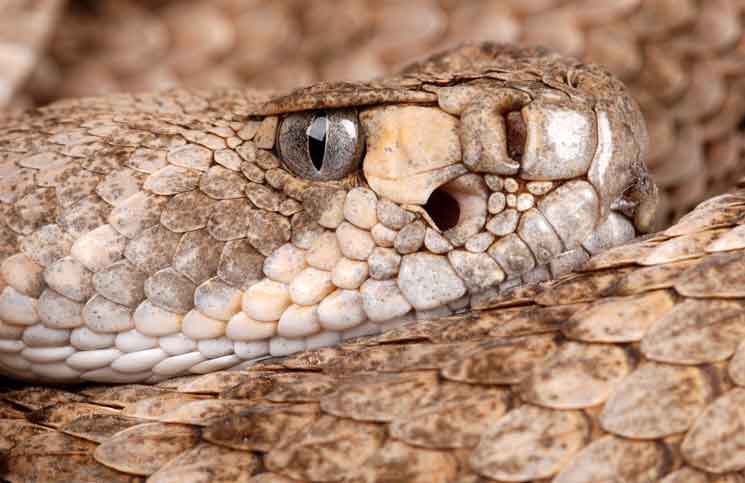
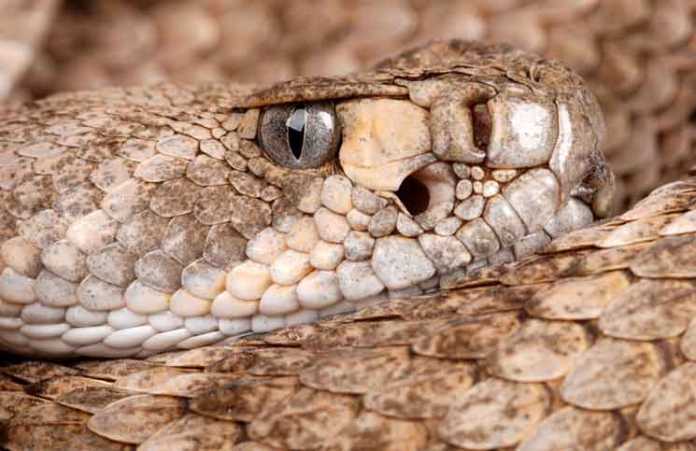
Western Diamondback Rattlesnake
Western Diamondback Rattlesnake. Photo by Audrey Snider-Bell
Info and Credits:

The Cobras.org team has collected for you a prestige selection of some of the most beautiful snake pictures taken in recent years, ranging from Green Snakes, Rattlesnakes, Vine Snakes, Cobra Snakes and more.

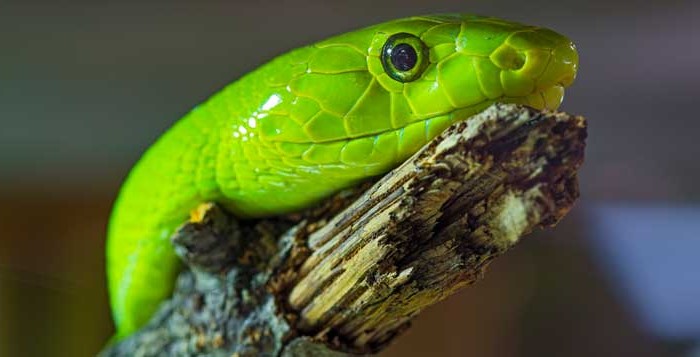
1) The Green Snake Portrait taken by Tambako the Jaguar in 2012, it shows a beautiful portrait of a Green Snake on a branch. CC license here.

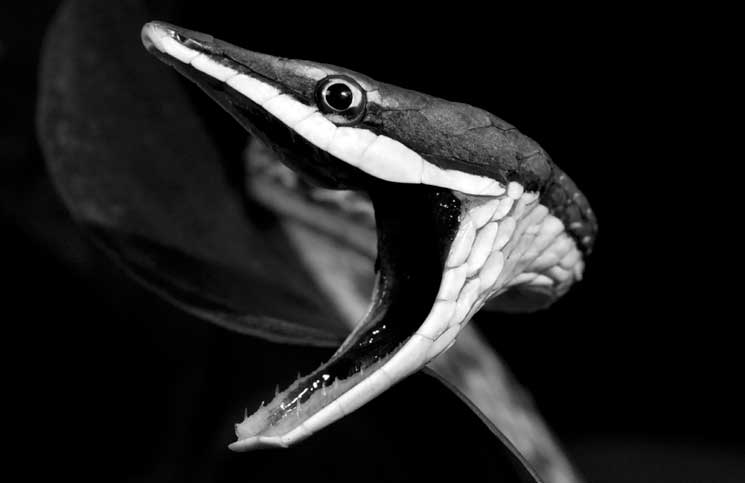
2) The Vine Snake taken by Ron Santiago in 2008, this is definitely one of the prettiest snake pictures we’ve seen lately, of an Oxybelis Aeneus, known as the Vine Snake. CC license here.

3) The Western Diamondback Rattlesnake taken by Audrey Snider-Bell. Are you afraid as well?

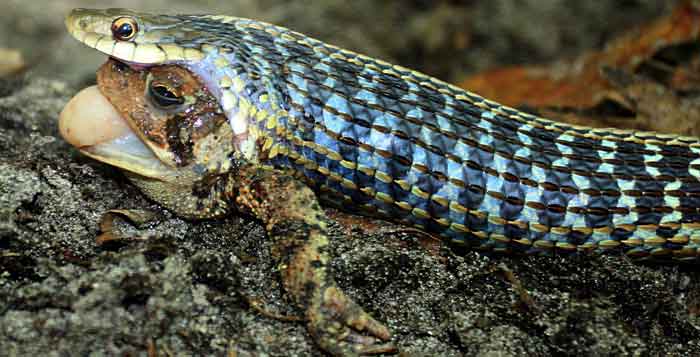
4) Snake eats Toad taken by Scott Oves in 2011 in South Carolina, this is with no doubt among the best hunting snake pictures, as they devour a Toad. CC license here.

5) The Mojave Green Rattlesnake taken by David O. in 2011 this majestic picture reveals the Mojave Green Rattlesnake, who has venom that is considered to be one of the most potentially deadly of all North American snakes. CC License here.

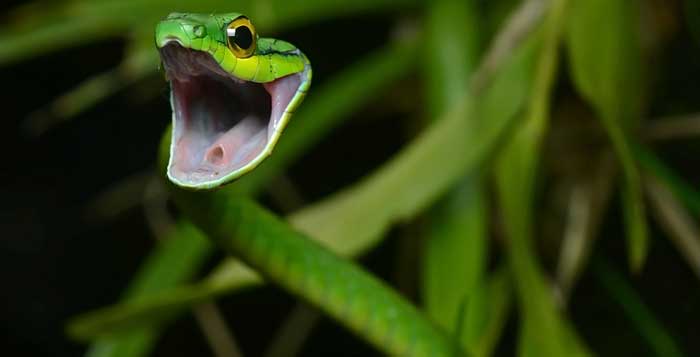
6) Parrot Snake taken by Geoff Gallice in 2012 in Panama, this image captures the beauty of a Leptophis ahaetulla, known also as the Parrot Snake. This species is of the Colubridae family of snakes. CC license here.

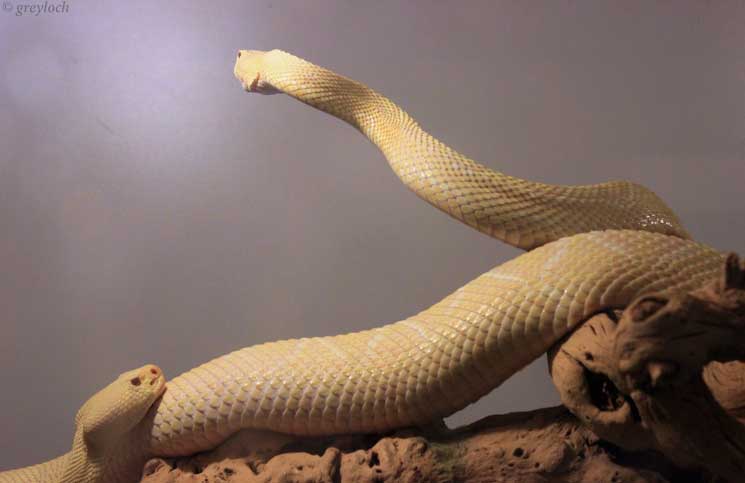
7) Two Albino Eastern Diamondback Rattlesnakes taken by Greyloch in 2013, this is absolutely one of the best snake pictures of the year, depicting two Albino Eastern Diamondback Rattlesnakes. CC license here.

8) Baby Northern Water Snake taken by Andrew Russell in 2013, this beautiful image captures a baby northern water snake. CC License here.

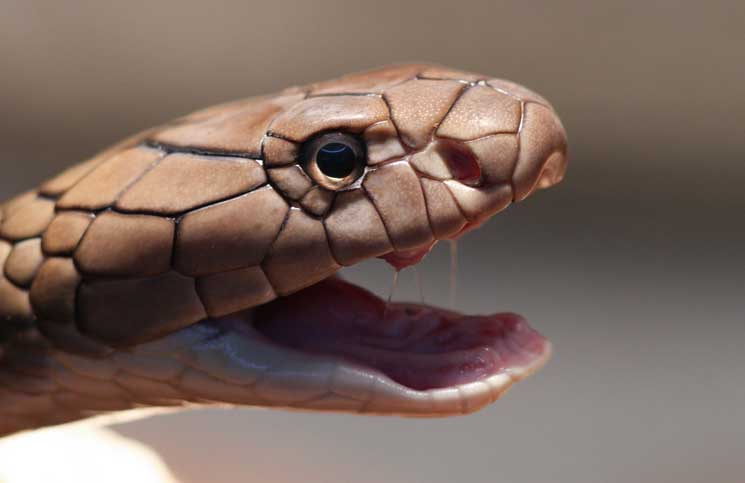
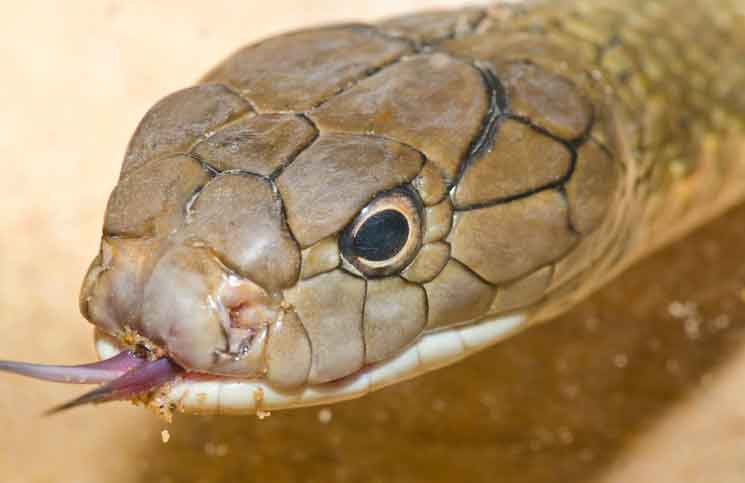
9) And lastly, behold the majestic face of King Cobra taken by Mark Dumont. CC License here.

Want to see some more Pics of Cobra Snakes? Wait for our “Breathtaking Snake Pictures”, or subscribe to our Newsletter and we’ll send it to you right from the oven…:-)

For more fast facts about Cobras click here.

For further discussion on snakes, scientific classifications, venom research and much more, check the resources available in “The New Encyclopedia of Snakes”, available on Amazon.com.

069113295X
Click here to take a glimpse at 
“The New Encyclopedia of Snakes” 


Animal Quiz: How Do Crocs Sweat?

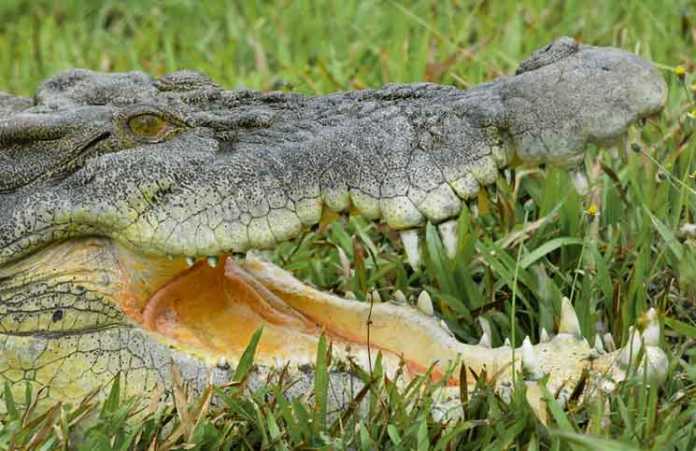
Saltwater Crocodile
Saltwater Crocodile. Photo by Roboriginal
Test your knowledge with this basic Animal Quiz on Crocodiles. Only 12 questions to challenge your mind…

[mtouchquiz 4]

Are you up to the Snake Challenge? Click here to take the Snake Quiz!

Cobra Facts – Why Is It So Revered?

Cobras
Photo by: Duncan Noakes

So you’re doing your homework or writing a report about cobras? Or you’re just curious?

That’s Great! Hopefully this page will do the job and satisfy your needs, so you can learn some fast cobra facts. Subscribe to our site and be updated on the fascinating world of Cobras, Snakes and Reptiles. We hope you’ll bookmark our site and come back to learn lots more, and have some fun too!

COBRA FACTS

¤ First things first: Cobras are not poisonous, they are venomous. This means that even though they have deadly venom in their sacs, the rest of the cobra is edible to predators. This of course, if they are brave enough to try!

¤ The Cobra’s venom is not among the deadliest in the snake world, but cobras can inject so much venom in a single bite that they can even kill an elephant. Sea snakes have deadlier venom, and rattlesnakes have weaker venom. In any case, if you plan to be around these venomous snakes – always have a Snakebite First Aid Kit close by. Coghalan’S Snake Bite Kit is one good option.

¤ Cobras are “ectothermic” or cold blooded, like all Reptiles.

¤ Quiver: A group of cobras is called a quiver.

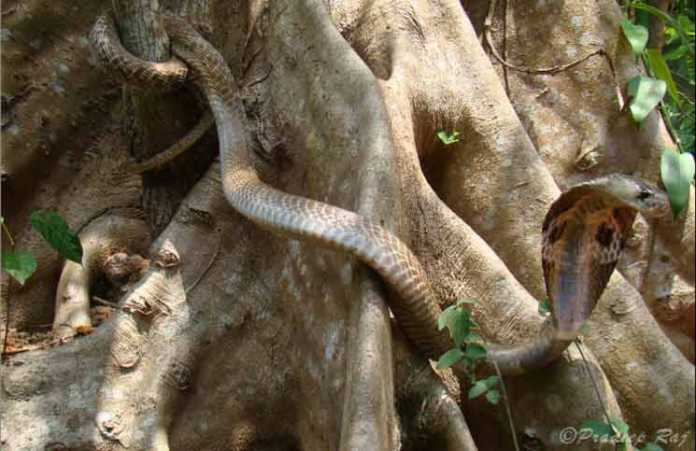
¤ Are they shy? One of the most surprising Cobra facts, is that they are shy. Cobras will run and hide when people are around. Would you believe that? The exception is King Cobras, who are aggressive, and will rear up and stand their ground when confronted.

¤ Cobras are not deff. They can hear, although they sense sound through contact with the ground much better than humans.

¤ Cobras can also see, and are definitely not blind like many may think. In fact, they see extremely well even at night. However, eyesight is not their only good trait…

cobra facts
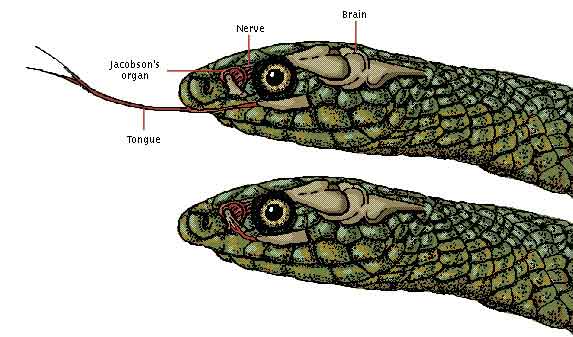
Jacobsen’s Organ: Gives the Cobra super smelling ability.   CLICK THE IMAGE TO ENLARGE!

¤ With the use of the “Jacobsen’s Organ” (like other snakes), Cobras can sense tiny changes in temperature. This super smelling ability helps them track their prey at night…

¤ How old do Cobras get? In the wild, they can usually live up to 20 years old or more.
¤ Cobras hardly have any potential predators,  except for the mongoose, and humans. Cobras are at the top of the food chain. Want more info on this? Read our post about the Cobra Predators.

cobra facts
Snake Charmers: Many remove the fangs or the venom sacs. Photo by: Rossella Apostoli

¤ Many snake charmers remove the fangs or the venom sacs from their cobra snakes, because it is too dangerous. This practice is of course illegal, and is considered inhumane to the snake. To learn more you can read our post about Snake Charmers in India.

¤ Cobras eat fish, frogs, birds, toads, lizards, eggs and chicks raided from poultry houses. In addition, they prey on small mammals such as rabbits and rats, and even other snakes. To learn more about this topic, read our post “What Do Cobras Eat?

¤ Cobras are quite intelligent, and can learn quickly. This helps them avoid dangerous areas. As a Cobra owner for many years, John Klein wrote a wonderful post on their intelligent snake brain. 

King Cobra Facts


¤ This is definitely my favorite of all cobra facts: King Cobras are the only snake in the world that build a nest for their young, just like a bird, but on the ground!

cobra facts
Guarding the Nest: King Cobra. Photo by Kobchaima

¤ King Cobra young are called hatchlings since they come from eggs. Hatchlings are about 50cm long.

¤ King Cobras (Ohiophagus hannah) will eat other snakes! The Latin word for “snake-eater” is ophiophagus.

¤ King Cobras are the longest venomous snake in the world! The average male grows 18 feet long, and some have been known to grow more than 20 feet long.

¤ King Cobras mainly inhabit Southern Asia, Northern Africa and the Philippines. Other species of cobras roam as far as Australia, New Guinea, and most of the Eastern hemisphere.

WANT MORE DETAILED FACTS ABOUT THE KING COBRA? VISIT OUR KING COBRA PAGE!

cobras

¤ If you ever thought of owning this fearsome snake, you should know that it is illegal to keep a cobra as a pet in most places, mainly because they are so dangerous.

snake bite first aid
Going to Snake Territory? CLICK HERE!

¤ This is surely among the most surprising Cobra Facts on this list. Do you know that Cobras don’t always inject venom when they bite something? Well, if they choose to they can perform a “dry bite”. However, you can never know what a Cobra might do, so whenever you’re in snake territory – have a Snake Bite First Aid Kit at hand!

¤ Baby cobras have full strength venom and can defend themselves fully like their parents.

cobra facts
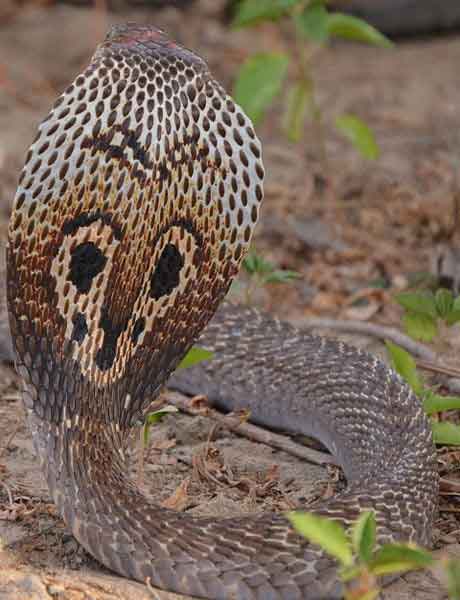
Cobras hood: Created by the extenstion of the ribs behind the snake’s head. Photo by:  Nireekshit [CC-BY-SA-3.0 ], via Wikimedia Commons
¤ A cobras hood is created by the extension of the ribs behind the snakes’ head.

¤ Cobras vary in weight from only a few ounces for a typical African Ringhals, to 35 lbs. for a large King.

¤ The best special medicine given to cobra bite victims, called “antivenin”, is made from cobra venom.

¤ Cobras are revered in India and Southeast Asia. The Hindus consider them manifestations of Shiva, the god of destruction and regeneration. The Buddhists believe a massive cobra spread its hood over the Buddha to protect him from the sun while he meditated. Cobra images guard the entrances of many Buddhist and Hindu temples. King Cobras have also been worshipped as sun deities and associated with rain, thunder, and fertility. On the annual lunar holiday of Nag Panchami, Hindus refrain from plowing and field work out of respect for cobras.

¤ The Cobra has definitely become the most revered Snake on the planet. It’s become a powerful Brand by itself. A unique brand that portrays fear, awe and strength. It is used by dozens of corporations and organizations, from sport cars, golf clubs and up to insurance companies. There are hundreds of products that take on the ‘Cobra’ brand, without being afraid.

COOL COBRA STUFF


We’ve collected for you some of the most unique Cobra products, from the snake’s replicas, Cobra Apparel, Gadget design, Jewelery and even some beautiful walking sticks. Let us know what you think, and if you know of any other cool cobra stuff – please let us know!

We begin with the most basic of all. The things we wear…

Cobra Apparel

Cool clothing apparel such as t-shirts, jackets, vests and costumes are immensely popular among the young and old. We are all seeking for unique items to wear. Items that embody awe-inspiring powers of Cobra. The T-shirts made by Mountain Men and Wellcoda definitely complete that task. The cool Cobra Jacket and Cobra Vest are a great accessory for any bike rider, and the cute Cobra Costume is perfect for snake-loving kids.

 CLICK each Image for more info! CLICK the text at the bottom of each Image to get it directly at AMAZON.COM.  

Cobra Replicas

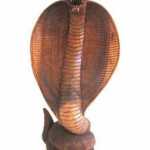
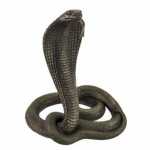
These stunning Cobra replicas and figurines bring the cobra fantasy and legend into life. There are Cobras made of rubber, stone resin, wood and even a bronzed Cobra. Some are used as great scary pranks in halloween, while others are used as statues of the most amazing snake in the world.

CLICK each Image for more info! CLICK the text at the bottom of each Image to get it directly at AMAZON.COM.  

Cobra Gadget Design

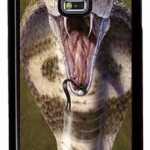
Since the computer revolution started, cases for smartphones, pads or laptops have been growing in popularity for years. It was perfectly natural that snake lovers would find their favorite creatures on these cases as well. There are cases for the iPhone, iPad and Samsung devices…

CLICK each Image for more info! CLICK the text at the bottom of each Image to get it directly at AMAZON.COM.  

Cobra Jewelery

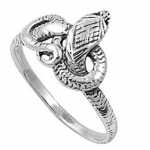
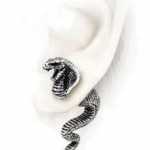
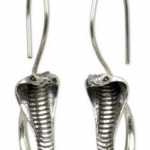
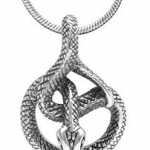
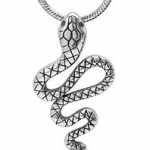
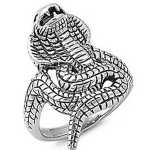
The incredible admiration to the Cobra and it’s mystique powers began thousands of years ago, when people used to decorate their bodies with Cobra designed Jewelry. They believed that wearing cobra artifacts would provide them with the snake’s powers. Today, people are still searching for these same powers. We can find different sorts of Cobra Jewelry such as necklaces, rings, earrings and pendants. Take a look…

CLICK each Image for more info! CLICK the text at the bottom of each Image to get it directly at AMAZON.COM.  

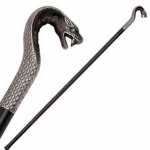
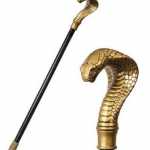
And least but not last, there are also dozens of Cobra products for the old among us, such as these beautiful Cobra Walking sticks…

CLICK HERE TO LEARN EVEN MORE!

Hope you enjoyed these fast Cobra Facts, but remember, you’ll learn a lot more and get an even better grade if you visit the full Cobra Information Portal. Don’t just copy what’s here for your report and move on, or you might miss the most interesting stuff. Also, your teacher won’t be very impressed if you just copy since the reason you had homework was to learn.

For those of you who want even more detailed information about Cobras and other Snakes, we highly recommend the comprehensive encyclopedia about snakes, “The New Encyclopedia of Snakes”, available on Amazon.com. Click on the Book image on the left to get more details!

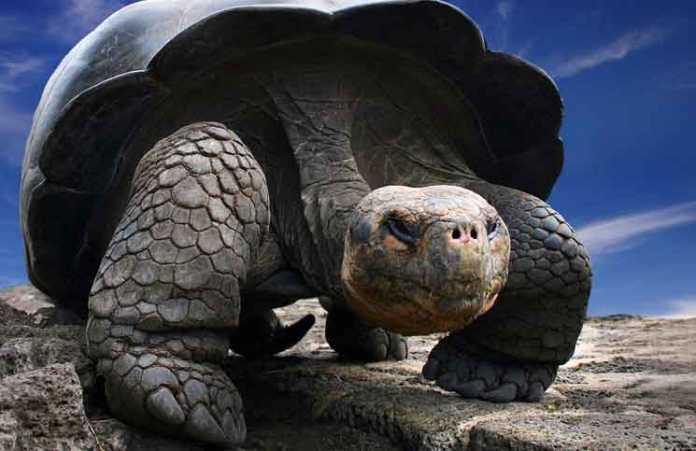
Animal Quiz: Who is The Largest Turtle?

Galapagos Turtle
Giant Galapagos Turtle. Photo by Alexandervd

Test your knowledge with this basic Animal Quiz on Turtles. Only 10 questions to challenge your mind…

[mtouchquiz 3]

Want to try your luck with Crocodiles? Click here to take the Croc Quiz!

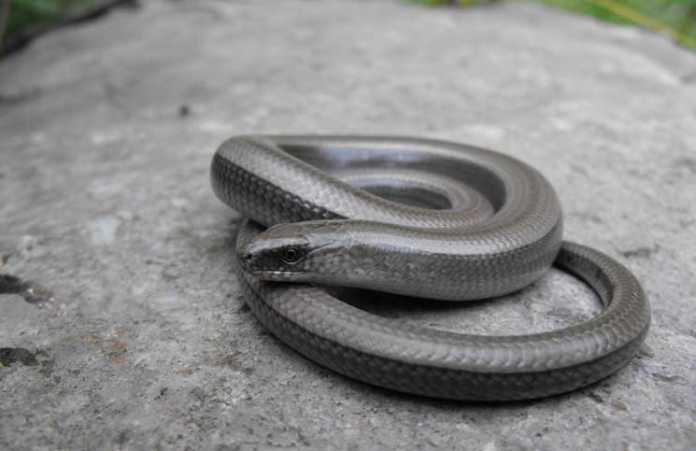
Glass Lizard: Does It Break Like Glass?

Glass Lizard
Glass Lizard. Photo by Dany Jack

[dropcap]If [/dropcap]you think about it, then Lizards are with no doubt one of the most amazing species out there.

Can you imagine if we could just drop a part of our body, let’s say a hand, then move on running as if nothing happened, and then just grow that hand right back as it was?

Well, that’s exactly what the Glass Lizard does, similarly to many other lizard species.

Lizard have the amazing ability to escape predators by dropping off part of their tail. In the case of the Glass Lizard, the tail can break like glass, into several pieces, hence the name. As we’ve all seen at one stage of our lives – the lizard’s tail remains moving as it distracts the predator, while the lizard can easily escape. Old folk tales used to describe how the tail shatters into several pieces, and some even believed that the tail pieces would later rejoin, but that of course – was a myth.

Contrary to the normal lizards we all know from home, the Glass Lizard has no legs, and it actually looks more like a Snake. However, its moveable eyelids, ears, inflexible jaws and head shape – reassure us that they are indeed Lizards. There are a few species of Glass Lizards that do have tiny legs that are no longer in use, but most are legless. Two well known species are the Eastern Glass Lizard, and the Slender Glass Lizard.

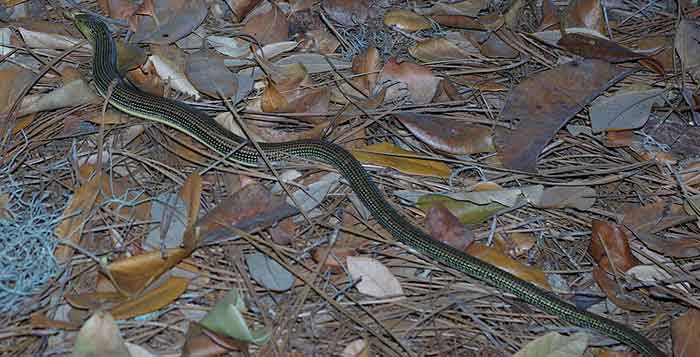
The Eastern Glass Lizard

Eastern Glass Lizard
Eastern Glass Lizard. Photo by Natalie K., CC-BY SA-3.0 or GFDL, via Wikimedia Commons. Click to enlarge!

If you notice a lizard with a few white bars behind the head, lacking the dark markings below the lateral groove, then it’s most probably the Eastern Glass Lizard. Its color usually ranges from light brown to greenish, and it’s regarded as one of the longest and heaviest glass lizards alive. It can be found throughout the eastern and southern parts of South Carolina and Georgia. However, they are most common in the Coastal Plains, sandy areas and dunes. The Eastern Glass Lizard preys on spiders, insects and even on other small reptiles and rodents.

The Slender Glass Lizard

Slender Glass Lizard
Slender Glass Lizard. Photo by Don Becker, CC-BY-SA-3.0, via Wikimedia Commons

The Slender Glass Lizard can move extremely fast, similarly to the serpentine movement of a snake. It mainly inhabits the eastern parts of the U.S, and usually sleeps in burrows that it “borrows” from other animals, where it might even hibernate during the winter. It has yellow to brown bodies, with several stripes and grooves. The female Slender Glass Lizard lays and broods its eggs during the summer time. The average clutch is between 10-12 eggs, which hatch about 2 months after being laid. Each tiny baby Slender Glass Lizard is around 12-14 cm long at birth, and can grow up to 1 meter.

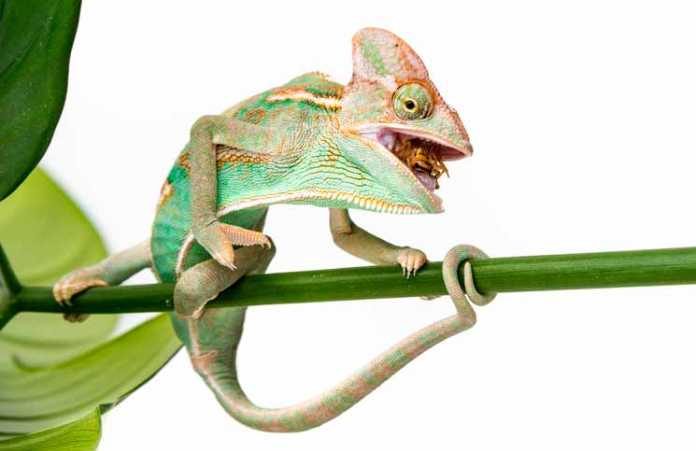
Animal Quiz: Can Lizards Make Sounds?

Chameleon
Chameleon Photo by Verastuchelova

Test your Reptile knowledge with our basic Animal Quiz on Lizards. There are only 13 questions to challenge your mind, so just press “Start”…

[mtouchquiz 2]

Animal Quiz: Who is the Longest Snake?

Test your knowledge with this basic Animal Quiz on Snakes. Only 12 questions to challenge your mind…[mtouchquiz 1]

How about your knowledge on Lizards? Click here to take the Lizard Quiz!