
Home Blog Page 6

How to Feed Your Cat Wet Food While Away? A Short Guide

How to Feed your Cat Wet Food While Away
Photo by freestocks on Unsplash.com

Do you want to know how to feed your cat wet food while away? Take him with you, that’s all there is to it! Take a trip together and take advantage of your free time to interact and have good times with your cat. Wouldn’t that be wonderful? However, we are aware that’s not always feasible.

There are moments when having options is helpful, such as during long workdays, crazy shifts, or even protracted getaways like weekends or vacations.

In this article, we will give a thorough explanation and guidance on how to feed your cat wet food while away. 

Wet or Dry Cat Food

Numerous studies have looked into cat diets, but opinions among experts are split. As a result, it is your duty to cooperate with your vet in figuring out your cat’s ideal diet based on its age, behavior, and current state of health. You can better navigate the dizzying array of options on the market by being aware of the key differences between the various diets.

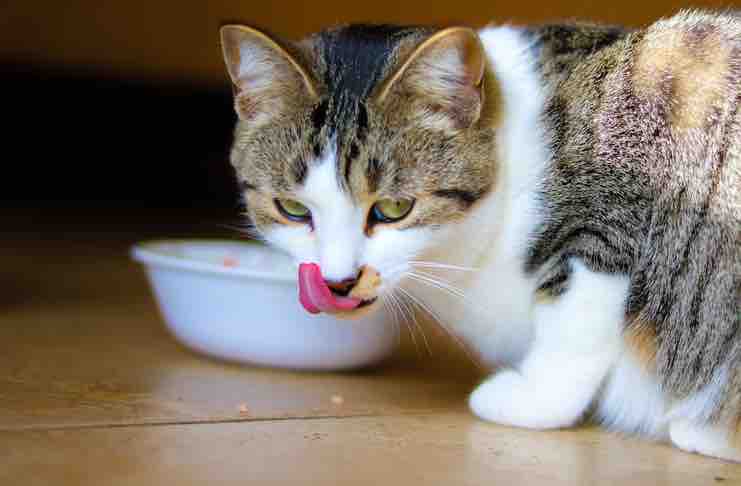
Wet food typically contains more than 60% of water, compared to less than 14% for dry food. Most veterinarians advise feeding wet food to cats, especially those who are at risk for kidney disease, even though it is unclear whether doing so improves their hydration levels. Other benefits include weight control, improved urinary health, and relief from constipation.
Cat Wet Food
Wet food?

Contrarily, dry food has a higher density of calories and is therefore the best choice for thin or picky cats. It provides nutrients and energy in smaller, more concentrated doses, maximizing dietary intake in these particular circumstances. Dry cat food also has the benefit of allowing for the use of toys with food dispensers that promote both mental and physical activity.

It’s critical to encourage constant fluid intake by offering a daily supply of fresh, clean water in both situations, particularly when feeding an exclusively dry food diet. Water usage may vary depending on the water bowl’s location, shape, and material. Invest in a wide ceramic cat bowl rather than a steel or plastic alternative, and keep it separate from the food and the litterbox.

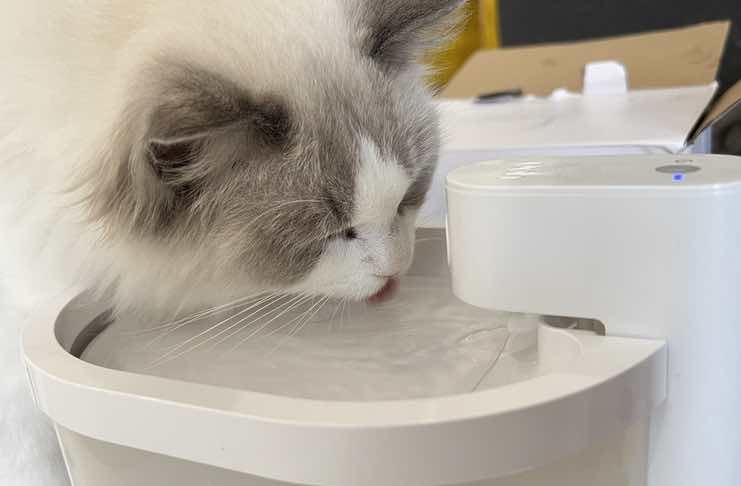
Veterinarians recommend buying cat water fountains or wireless cat water fountains for cats. There are many benefits of providing your cat water on a water fountain rather than a water bowl because cats are more attracted to flowing water than still water. 

You may find that sometimes your cats just sit on the sink and drink water from the running faucet. Cat water fountains mimic the flowing water which entices cats to drink more water and they enjoy it. It is a smart way of keeping your cat hydrated and healthy. 
Cat Wet Food
Wet or Dry Cat Food? Photo by Abeer Zaki on Unsplash.com

Freshness Maintenance for Wet Cat Food

The food’s label, which should be carefully read, contains information about the food’s expiration date and storage recommendations after opening.

It was cooked, so it won’t spoil right away, but the moisture will vanish and turn into a clump of hardened food. And to make matters worse, it will contaminate itself with bacteria, rendering it dangerous for your cat to eat.

For this reason, keeping it fresh is essential for maintaining flavor, nutrients, and overall appeal as well as for health reasons.

When you’re leaving for an extended period of time, there are two methods for keeping things cool:

  1. Don’t forget to store it in the freezer or fridge.
  2. Incorporate ice packs and a wet food dispenser.

Prepare Wet Cat Food Ahead of Time by Freezing or Cooling It

Consider cooling or freezing wet cat food beforehand of your departure if you are leaving for the day so that it will be ready to consume (and still fresh) when your cat normally eats.

Pet food kept in its original box maintains its qualities. Therefore, it is not a good idea to use other boxes like zip-top bags or plastic bins. They don’t function as effective odor and oxygen barriers. Use plastic pet food boxes that fit the cans or plastic wrap as an alternative to store any leftover food in the refrigerator. The majority of brands can be stored in the refrigerator for up to 5 days at 40°F (4°C). If, however, that period has passed, discard it.

Remember that the majority of cats will prefer room-temperature food over cold food. Tender or room-temperature food simulates the temperature of the prey after a hunt.

Alternatives for Feeding Wet Food to Your Cat While Traveling

Cats are social animals who enjoy company and interaction, despite the fact that they are often thought of as independent. Long periods of separation from them could lead to anxiety, stress, and separation problems. Therefore, take a look at the following options whenever you can.

Ask your family and friends

Asking someone you can trust for assistance is the simplest way to provide your cat with some company. In order for your pet to feel comfortable in its territory, you should ideally use someone they already know.

In addition to receiving moist food and water, as well as a clean litter box, your cat will appreciate having a playmate.

Employ a Cat Sitter

Consider hiring a pet sitter if no one you know is available or close by. Nowadays, it’s not too difficult to locate a cat-specific pet sitter. Cat sitters can frequently accommodate full-time care in their home or regular visits to your home. 

No matter the terms of your agreement with the sitter, you can request daily updates to ensure everything is running as efficiently as possible.

Conclusion

In order to keep our cats happy, including while we’re away, we as cat parents must think of every opportunity. And when it comes to maintaining their wet food fresh, there are, thankfully, solutions for every issue.

Cats are understanding companions, so as long as we seem to their needs they shouldn’t mind too much.

Which approach has worked the best for you? Share it with us. How should I feed my cat while I’m away, in your opinion?

Want to read more of our latest posts? Check out the benefits of having a cat.

How To Find The Top Dog Grooming Scissors

Dog Grooming Scissors
Photo by Gustavo Fring on Pexels.com

When it comes to finding the best dog grooming scissors, it can be a daunting task. With so many different options on the market, how do you know which ones are worth your time and money? In this blog post, we will discuss some of the factors you should consider when looking for a good pair of scissors. We will also recommend some of our top picks for those of you who are in need of a new set!

What Makes Good Dog Grooming Scissors?

When it comes to finding the best dog grooming scissors, there are a few factors you should consider. The breed of dog you own is the first consideration. If your dog has a thick coat, you will need a pair of scissors that can handle that kind of hair. You also want to make sure that the scissors are sharp enough to cut through the hair without causing any discomfort to your dog.

Another factor you should consider is the size of the scissors. The experts from https://www.groomingscissorsdirect.com.au/ recommend choosing a size that is comfortable for you to use. If the scissors are too big or small, they may be difficult to control and could end up causing injury to your dog.

Finally, you want to make sure that the scissors you choose are durable and will last for many years. You don’t want to have to replace them every few months, so make sure you choose a quality pair that will stand the test of time.

Straight Dog Grooming Scissors

There are a few things you’ll want to consider when shopping for straight scissors, such as the blade size and length. You’ll also want to think about what type of coat your dog has. If your dog has a thick coat, you’ll need a pair of scissors that can handle that type of fur. Conversely, if your dog has a thin coat, you won’t need as powerful a pair of scissors.

Another thing to keep in mind is the handle size. You’ll want to make sure that the handles fit comfortably in your hand so that you can groom your dog without any discomfort.

When you’re ready to start shopping for straight scissors, be sure to check out some of the top-rated options. You can read online reviews to see what other dog owners think of a particular pair of scissors before making your purchase.

Detailing Dog Grooming Scissors

These are the scissors that you will use for the final touches on your dog’s coat. They are smaller than regular grooming scissors and have a fine point. You will use them to trim around your dog’s eyes, nose, and Paw Pads. These scissors come in both straight and curved varieties.

When choosing detailing scissors, it is important to find a pair that is comfortable for you to hold. You will be doing a lot of precise work with these scissors, so you want to make sure they fit well in your hand. Also, look for scissors that have sharp blades. Dull blades will not give you the clean cuts you need.

The finishing touches are just as important as the trimming itself. With the right scissors, you can give your dog’s coat a polished look that will make them stand out from the rest. With so many different types of scissors on the market, it can be hard to know which ones to choose. But with a little research, you can find the perfect pair of scissors for your dog grooming needs.

How To Find The Top Dog Grooming Scissors
The finishing touches are just as important as the trimming itself. Photo by Александр Гросс on Unsplash.com

Curved Grooming Scissors

A special kind of scissors that is often used by dog groomers is called curved grooming scissors. These scissors have a distinct curve to them which allows you to get a closer cut when trimming your dog’s fur.

If you are looking for a good pair of curved grooming scissors, there are a few things that you will want to keep in mind. First of all, you will want to make sure that the scissors are made from high-quality materials. The last thing you want is for your scissors to break in the middle of a grooming session!

Another important factor to consider is the size of the blades on the scissors. You will want to choose a pair of scissors that have blades that are the right size for your dog. If the blades are too small, they may not be able to cut through all of the furs on your dog’s coat. On the other hand, if the blades are too large, they could end up hurting your dog.

Finally, you will want to make sure that you know how to properly use curved grooming scissors. This is important because you do not want to accidentally cut your dog while you are grooming him or her. If you are not sure how to properly use the scissors, it is always a good idea to ask a professional groomer for help.

In conclusion, there are a few things that you need to keep in mind when you are shopping for the best dog grooming scissors. By taking the time to think about what you need, you can be sure that you will find a great pair of scissors that will help make your dog look his or her best.

Want to read more of our latest posts? Check out our article about why do some dogs not shed.

Your Pet Needs Emergency Vet Care If You See These Signs

Emergency Vet Care
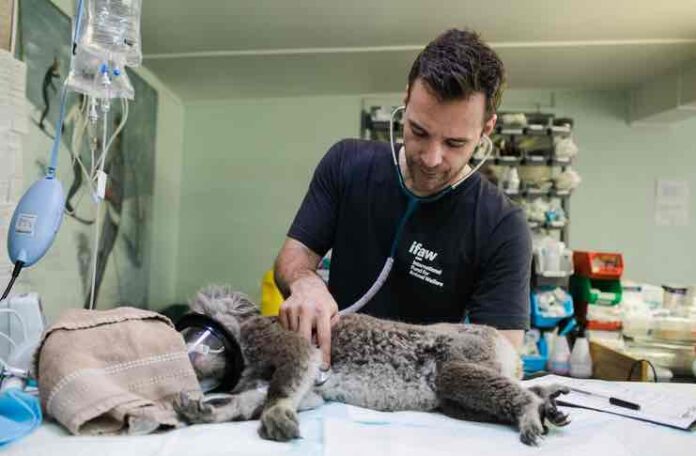
Photo courtesy of the International Fund for Animal Welfare on Pexels.com

One of the toughest jobs of fur parents is to handle pet emergencies. No one is really trained for these kinds of situations. No matter how little or bad the emergencies are, as fur parents, you can’t help but panic.

While it’s only reasonable to get nervous for your pet, the best thing to do is to overcome this emotion and think quickly for your pet.

You should learn how to control or at least manage your emotions so that you can help your pet in the best way possible.

In this piece, we’re going to tell you the signs to watch out for and what to do in case those emergencies occur.  

How to Tell If Your Pet Needs Urgent Medical Care

There are tell-tale signs that your pet needs emergency vet care. However, some signs are not so obvious, making it hard for you to assess your pet’s situation.

But whether the signs are obvious enough or not, as a responsible fur parent, you must know when to call a 24-hour emergency care service.

This is how you can tell if you need to bring your pet to the vet immediately.

  • If your pet got injured or fractured bones
  • It’s unconscious
  • It vomits non-stop
  • It can’t walk or stand for some reason
  • If you feel bloating or swelling in their abdomen
  • You notice cherry-eye inflammations
  • If you think they’re going blind
  • If there’s blood in the poop
  • If your pet can’t pee and poop
  • If pregnant and can’t deliver babies
  • If it’s having seizures
  • If it’s bleeding non-stop
  • If it’s choking or having difficulty in breathing

In case your pet suffers from any of these, keep in mind that panicking will not do you any good. Instead, relax so you’ll be able to think on your feet to help your pet as much as possible.

Call an emergency vet immediately.

Your Pet Needs Emergency Vet Care If You See These Signs
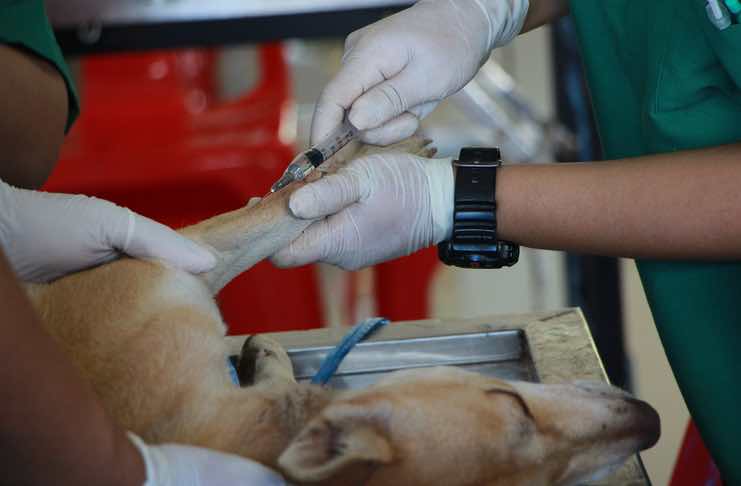
Photo courtesy of Pranidchakan Boonrom on Pexels.com

Here Are Things You Can Do While You Wait for Help

Whenever there’s an emergency, time is of the essence. However, it’s not always guaranteed that your pet will get the medication that it needs right away.

Whether you take your pet to the nearest emergency vet or wait for an ambulance to come to your home and treat your pet, both options will take time.

That’s why it’s only necessary that you learn and master first aid for pets. This way, you can help minimize the pain of your pet while help is on the way.

Below are only some of the most common emergency problems in pets and what you can do about these.

Seizures

If your pet is having seizures, the best thing that you can do is to let them be. Most seizures usually last for no longer than 3 minutes and will stop naturally.

However, it doesn’t mean that you won’t do anything during this period.

If your pet starts to get seizures, make sure to notify your vet right away so they could teach you the proper steps to take during this kind of situation. Here’s a good guide for seizures in dogs, for example.

You can also remove everything around your pet that could potentially harm your pet during the seizure. Once the seizure stops, make sure to help your pet relax while bringing it to a warm and quiet room.

But if the seizures don’t stop, that’s when you should call your vet again and wait for more instructions.  

Bleeding

Whether your pet was attacked by another animal or got injured in an accident, it can’t afford to lose so much blood. As it could mean life and death.

But remember, don’t panic That’s the first step. Then muzzle your pet to avoid biting when your pet is under stress.

Once your pet is all muzzled, you can now safely do some first aid. First, prepare a clean gauze pad or a clean cloth. Then put it over the wound. Just press it a little to put slight pressure on the wound and somehow reduce the bleeding.

Get another gauze pad, then press it again. Do this over and over until the bleeding stops.

If it doesn’t, wrap the piece of cloth or gauze pad for continuous stoppage then bring your pet to the vet or wait for the ambulance.

Here’s a great video that shows you what to do when your pet is bleeding:

Fracture

Again, the first thing that you should do is muzzle your pet. Trust us, even if you are the owner, your pet might be able to bite you if it’s under stress.

Also, you have to be gentle all the time since you’re dealing with a fractured bone.

Put your pet on a flat surface, preferably a stretcher. But if there’s none, just use a makeshift one like a piece of thick plywood.

Secure your pet onto the platform using elastic bands or blankets then carefully bring your pet into your car and take it to the nearest vet.

How to Prepare for Boarding Your Dog

Dog Boarding
Dog Boarding. Photo by Hannah Lim on Unsplash.com

As much as we would all love to take our fur babies with us anytime we go away from home, sometimes it’s just not possible.

You might be traveling somewhere that is not pet friendly or perhaps you are going on a whirlwind trip for work where you won’t have any downtime for them – whatever the reason if you need to go away, you need to find someone who can take care of your pet while you are away.

Well, luckily, there is a pretty simple solution out there for just this problem – pet boarding. You can take your precious pet to a pet boarding kennel where the friendly (and highly trained) staff can give your pet the love, care and attention they need while you’re away.

While this solution is a pretty simple one, there are some things you need to do to ensure your pet is ready for its pet boarding experience. To help you out, our friends at Sugarland Animal Hospital – a pet boarding service Bundaberg, have put together some handy information to make the pet boarding process a lot easier.  

1. Does your dog require any special attention?

When considering a pet boarding facility, it is super important to think about your dog’s needs. While almost all dogs love pats, cuddles, and playtime, your dog might require special attention or care for existing conditions.

While many dog boarding facilities understand that no two dogs are the same and can cater to a wide variety of dog breeds and requirements, it’s a good idea to let them know of the unique needs of your pet. That way if they can’t cater to their needs, then you know it’s not the best facility for you.

You do not want to be too picky, because at the end of the day, any place that is not home is going to feel a little weird for you and your pet at first, however, it’s a good idea to make a list of your non-negotiable requirements to help filter down your pet boarding options.

How to Prepare for Boarding Your Dog
You can take your precious pet to a pet boarding kennel where the friendly (and highly trained) staff can give your pet the love, care and attention they need while you’re away. Photo by Anthony Duran on Unsplash.com

2. Ensure you understand the facility’s vaccination requirements

Unless your pet has an underlying condition affecting its ability to be vaccinated, your dog is most likely up to date with its vaccination requirements.

Before you book your place at a pet boarding facility, make sure you understand your pet’s requirements in terms of their vaccinations. If your pet is not up to date with their vaccinations, then you will need to get them done before they are boarded.

You can always call the pet boarding service to discuss the requirements and any nuances of your pet.

3. Reserve your place as early as possible

Dog boarding facilities are often very busy and can be booked out far in advance, especially if it is the holiday season. So, if you know you have a holiday or trip coming up, book your pet’s place as soon as possible.

It can be very difficult to find last-minute accommodation, some facilities do allow for same-day bookings because emergencies do happen, however, the more notice you can give, the more time you give the facility the ability to be prepared for your dog’s impending stay.

An added bonus of booking ahead when boarding your pet is that you are likely to pay a lower price for the service. If you have to book last minute, you might end up paying a little more.

4. Pack their favorite treats and any special dietary requirements

If your pet has a specialized diet then you will need to provide food options for their stay. Most facilities provide food for pets, however, given the large range of dog breeds they may be boarding, the food may not be what your pet is used to.

Packing their favorite treats is also a great way to ensure that they will find their new environment comfortable for the duration of their stay.

5. Bring something that reminds them of home (and you)

Whether it is a chew toy or a blanket, if there is something easy to pack that your dog loves, don’t forget to include it in their suitcase. This will make it so much easier for them while they are away from home and from you.

It will provide a sense of comfort for them, and the environment they are in will be a lot less scary for them.


It is not easy to leave your pet in the hands of someone else while you are away, however, a pet boarding facility is a great way to ensure your dog has attention, love, and care. If you are in the Bundaberg area in Queensland, Sugarland Animal Hospital is the way to go for pet boarding kennels!

Finally, here are some more great tips by AHS Behavior and Training Manager Paula Zukoff that you should watch:

Does Having a Reptile as a Pet Bring Happiness?

Reptile as a Pet
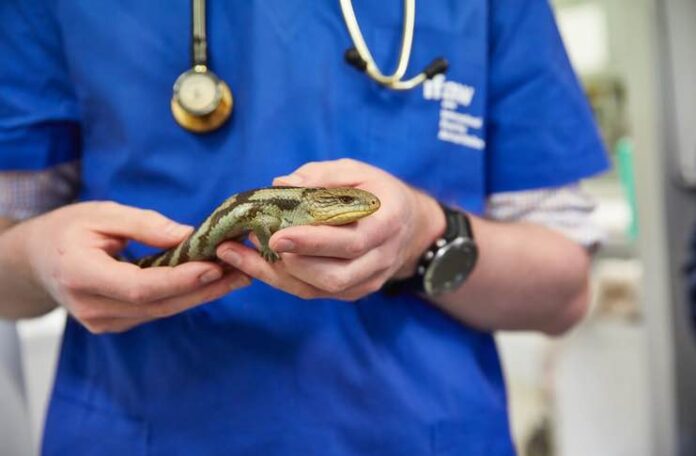
Photo by International Fund for Animal Welfare on Pexels.com

The article is developed in partnership with BetterHelp.

Curious if having a Reptile as a Pet can bring you happiness? You’ve reached the right page. As a non-reptile owner, you may wonder how individuals can find a snake or iguana so comforting. Several things are occurring in this scenario. First and foremost, reptiles are a unique and fascinating species. When you’re occupied with anything else, your thoughts are diverted from your own troubles. Another benefit of interacting with reptiles is that they provide unconditional acceptance, which is crucial for those who are dealing with mental health concerns such as depression or addiction. In addition, individuals who handle reptiles feel accomplished and proud to tell their loved ones about their experience. 

Reptiles, as well as other therapy animals, have been shown to aid in the healing process by medical specialists.

If you didn’t know, reptiles like iguanas and corn snakes can tell who is handling them. Dog and cat enthusiasts may be surprised to learn that there is a personal link between the two. Here are some other reasons why reptiles and snakes may be a good choice if you’re looking to add an extra dose of happiness to your life. 

1. They Take Up Very Little Room

The species you choose will, of course, have an impact. Small lizards and snakes, on the other hand, can live out their entire lives in a ten-gallon aquarium that measures ten inches by twenty inches. Of course, if you’re able to supply it, they’ll be grateful for the extra space.

Due to their aquatic lifestyle, turtles typically require a larger home. A fifty-five-gallon tank may be too small for some of the smallest species, but they can still thrive. In contrast to most canines, reptiles do not necessitate a fenced-in yard or park to exercise and play.

2. Reptiles Don’t Need Much To Be Happy

Mammal pets demand a daily time commitment that can range from a few minutes to several hours depending on the needs of the animal.

Severe mental illnesses can make it difficult to manage and execute daily duties, even in the midst of a hectic schedule. Feeling guilty or inadequate because you can’t remember or don’t have the energy to care for a pet dog or cat can feed the apparently endless cycle of poor emotional and mental health.

It is not necessary to feed or clean up after most reptiles on a daily basis. Some species just need to be fed and watered once a week. They won’t feel bored or lonely if they aren’t cared for. These solitary, cold-blooded critters are content to stay in their cozy abode by themselves.

This gives people with executive dysfunction, poor days, or who are simply too busy to devote the time necessary to caring for a fuzzy creature plenty of leeway. If you’re having issues with your mental health, head over to BetterHelp to read more on how you can get on the road to recovery. 

3. It’s More Satisfying When You Earn Your Reptile’s Trust

In contrast to domesticated dogs and cats, reptiles lack the ability to form an emotional relationship and exhibit human-friendly behavior.

In general, people have a poor opinion of reptiles. With patience, understanding, and perseverance, a person can conquer their inherent fear of snakes and reptiles, as well as their innate fear of huge predators.

The more effort you put into something, the greater the sense of satisfaction you get from it. Animals raised in captivity tend to be devoted to those who show them affection and provide them with food and water.

Exotic reptiles must overcome their natural inclinations and learn to trust their handler in order to thrive. It might be awe-inspiring to reach that point.

Watch this lovely video of a woman who had no plans of getting a python snake – until one stole her heart:

4. They Give You A Sense Of Community

As a result of mental health conditions, people can feel alone and depleted of their energy and enthusiasm. If you’ve ever wanted to go into herpetoculture, owning a reptile will open up a whole new world for you.

Herpetoculture, like many other pastimes, can be as simple or as complex as the practitioner chooses. In the case of certain keepers, they devote their entire life to it.

Both online and face-to-face, reptile caretakers form communities. It’s possible to meet other reptile enthusiasts through Facebook groups and forums, as well as at reptile expos. People with disabilities can benefit greatly from making new friends, getting out of the house, and being able to connect with others who share their interests.

Well, I hope this post helped you a bit with understanding if having a reptile as a pet could possibly bring you some happiness.

The Best Ways to Incorporate a Snake Into Your Family

The Best Ways to Incorporate a Snake Into Your Family
Photo from Pixabay.com

This post was developed via a partnership with BetterHelp.

As a result of their untamed nature, snakes respond to stress and danger by engaging in behaviors such as seeking food, seeking warmth, and finding safe-havens.

Because of this, it’s crucial to realize that bonding with a snake is fundamentally different than bonding with a domesticated animal like a cat or dog. Here are some interesting takes on this topic on Quora.

Even though snakes can recognize their owners, they now regard them as a part of their surroundings rather than a separate entity.

In order to develop a relationship with a snake, you must approach it from a different perspective; rather than looking for affection, you must create a relationship with a snake in a way that is more in line with its unique personality and traits.

Prove That You Are Trustworthy

To develop a connection with your snake, you must first prove to them that you are a trustworthy individual. Due to their natural instinct to defend themselves when threatened, snakes occasionally bite humans. (here’s our great snake bite first aid)

It’s better if a snake has a favorable relationship with you in order for it to feel at ease around you. In other words, you should only handle the snake if it appears to be relaxed and welcoming of your attention and handling.

It is important to spend time with your new pet snake so it can become used to your scent, but don’t be rushed to handle it, as it needs some time to learn that you aren’t a danger.

You may help your snake grow used to you by moving the materials in their enclosure on a daily basis and spending time near the enclosure so they can pick up your scent and become acquainted with you in your home. Despite the fact that you may be keeping them as a pet, they still consider this to be their natural habitat.

Create An Enriching Environment

Observing your snake and building a home that you both appreciate, much like with a pet fish, can provide some delight and opportunities for bonding. You can nourish your snake’s life by giving it wide branches, stuff to dangle from and wrap around or spots to stay hidden.

In order to see your snake’s reaction to a new thing, you must expose it to it on a regular basis.

These moments of engagement with your snake will help you build a strong link with your pet if you allow it to roam freely for a few minutes at a time.

Hold Your Snake Regularly

When handling your snake, it’s critical that you establish safe and confident handling as soon as possible.

One of the finest methods to build a relationship with your snake is to handle him or her on a daily basis. It’s important to remember that handling merely provides warmth to a snake, not an indicator that it appreciates human contact per se.

Make Sure Your Snake Is Getting Fed By You And Your Family Members 

For your snake, being the one who consistently provides it with food can help them link your scent with eating, which is an excellent method to show the snake that you’re not a threat while they are around you.

Predator or prey is how snakes visualize the world and, as humans are substantially larger than snakes, snakes see us as prey at first, even if we aren’t.

As a result, it is critical that your snake recognizes you as a source of food in order to form a strong attachment with you.

Release It From Its Enclosure

You can also bond with your snake by letting it out of its enclosure for a brief period of time each day if you have a secure, enclosed, and calm environment.

You’ll form a fundamental bond with your snake by watching it explore its surroundings in search for warmth or a hiding place. A snake may approach its owner in search of warmth, especially if it identifies the human scent as familiar and comforting. This is not unusual.

You can spend quality time with your snake outside of its habitat by observing it as it interacts with its surroundings and allow it to travel freely in a safe area.

Having a snake on the loose in your home would not be a fun way to spend time with your family. Speaking of which, be sure to visit BetterHelp to learn more about the importance of family bonding.

Finally, here’s a video with some more useful tips when bringing a new snake back home:


How Reptiles and Snakes Make Childhood Memorable

How Reptiles and Snakes Make Childhood Memorable
Photo from Pixabay.com

This article was developed via a partnership with BetterHelp.

Adopting a pet is a lot of fun, but it also comes with a lot of responsibility. If you’re going to bring a pet into your family, be sure it’s one you can devote time and energy to.

Pet reptiles and snakes are excellent choices for children’s first pets. Their demands are minimal, and they’re fun and lovable, yet they don’t take up a lot of space.

Considering the wide variety of pet reptiles available, you’re sure to find one that’s just right for your home!

1. Snakes Are More Affordable As Pets Than Other Animals


You’ll have to pay for the upfront expenses of owning a snake.

There are a few necessary items such as a thermometer and hygrometer, as well as the snake itself, in this setup.

As a caveat, it is possible to pay thousands of dollars for really rare and unique snakes and reptiles. But the ordinary snake only costs around $150 on average. About $50 will be spent on the enclosure, as well as the rest of the basics.

All in all, you’ll likely pay somewhere between $300 and $400 to get started. Here’s a short guide on how to choose your snake.

A few dollars a week for food is all that’s left, barring a gigantic snake, and you’ll have to shell out a few additional bucks a month for the extra heat and light you’ll need.

It’s also worth noting that unless your snake is ill, you won’t have to pay for any veterinarian visits.

2. Reptiles Are Hypoallergenic

Those who are allergic to dog and cat dander and hair should consider reptiles as a pet option. All animals, including birds, shed dander, which can trigger allergic reactions in people. The same is true for tiny animals such as ferrets, guinea pigs and hamsters.

Snakes are a good option if you’re allergic to most animals but still want a pet that’s not a fish.

3. Reptiles Don’t Shed Their Hair; They Shed Their Skin!

When you have a snake, you won’t have to clean your house all the time. There are also no worries regarding house training or accidents unlike having a dog that needs to be trained.

Keeping your pet’s mess in a small, contained area, is one of the more pleasant perks of having these animals as pets. Cleaning their cage is a must, although it isn’t necessary to do it on a regular basis.

4. Snakes Are Soothing

Nature provides a sense of peace and serenity that can’t be matched.

Many times it’s more enjoyable to watch your snake explore its surroundings in a well-designed enclosure than having a pet that consistently demands attention.

Owning a pet has been shown to have positive effects on both the owner’s mental and physical health. Dongs and cats aren’t the only animals affected by this. Having a snake as a pet may be a lot of fun, and they make great company. If you’re still wondering if snakes are right for you, read more about the mental health benefits of pets at BetterHelp

5. Reptiles Can Benefit From Affection, But They Don’t Need It All The Time

The best part about having a snake as a pet is that you get to decide how much affection and companionship is perfect for you. 

They enjoy venturing out of their enclosure to discover new places, but they are equally satisfied to laze around in it all day. The fact that they are clean, warm, and fed is all that matters. You don’t even have to be in the same room as them to appreciate them. Having a pet like this is ideal for some individuals.

6. They’re Less Dangerous Than Dogs

This may come as a surprise to some who are terrified of snakes, but non-venomous snakes are significantly safer than dogs.

If a dog attacks you, it’s likely to inflict far more damage than any other animal, even from the largest snakes. In most cases, a snake will attack fast, release, and return to a defensive posture.

A small scratch or a few minuscule punctures are the most you’ll get from this but be prepared for it to be a surprise—if they do bite, of course. 

Finally, here’s a great video showing some of the best and easy to handle reptiles for kids to own as pets:

What Are The Best Dogs For Anxiety and Panic Attacks?

Best Dogs For Anxiety
Photo by Eric Ward on Unsplash.com

Presented by BetterHelp.

Initially, a list of the best dogs for anxiety might seem like a gimmick, but a wide variety of research has long demonstrated that having a canine friend can help us improve our mental health.

Some anxiety is good and protective, but the increase of anxiety disorders is characterized by feelings of concern or fear that do not subside. If you’re feeling overwhelmed by these sensations, having a dog by your side is a great way to alleviate some of your tension.

There is scientific evidence to support the idea that playing with a dog or petting one can have a positive effect on the brain’s serotonin and dopamine levels as well as encourage us to move more, both of which have been demonstrated to help alleviate anxiety.

In addition to lowering blood pressure and stress, dogs can also help alleviate melancholy, anxiety, and PTSD in humans. Stop by BetterHelp to learn more about the effects of anxiety on the body. 

Bichon Frise

Once their antics have worn them out, Bichon Frise dogs are happy to snuggle up to you on your lap after a long day of playtime and mischief.

This dog loves to make its owners laugh and cuddle with them, so they’re the perfect bundle in our book: cheerful, energetic, and affectionate.

Because of their curly coats, they’ll likely require more daily maintenance than other breeds. They also run very fast for their size, and will not always listen to directions when distracted by anything intriguing to them, so it’s best to keep them on a leash when out and about. 

Want to learn a bit more about this unique dog? Check out this video:

Yorkshire Terrier

If you’re looking for a small dog with a lot of personality, go no further than the Yorkshire Terrier.

They’re like a superb wine, complex and full-bodied, utterly lovely both inside and out. They’re always a popular dog breed because of their combination of independent and sassy personality traits, as well as their great loyalty and devotion.

The Yorkie will have a strong attachment to you and follow you around everywhere you go. You don’t have to worry about a thing when it comes to teaching this little dog because it’s so eager to please and craves attention.

Pug

Even the most stoic person will be charmed by the Pug’s funny antics and charming and devoted disposition.

The Pug has a striking appearance that further enhances its appeal, with its wide glittering eyes and expressive features. They’re curious and goofy, yet they have a laid-back vibe that makes them great for relieving tension.

Considering that this breed is prone to health issues, it’s crucial to be well-informed about what to feed your Pug as well as how to groom them to ensure their overall well-being. Pugs also suffer separation anxiety when they are away from their families, so you’ll want to make sure you have enough time to attend to their demands.

Here’s everything you need to know about Pugs:

Cavalier King Charles Spaniel

The Cavalier King Charles Spaniel, with its huge chocolate brown eyes and kind and loving demeanor, offers up an entirely different twist to the phrase ‘man’s best friend’.

Whether you’re looking for a lapdog or a dog to accompany you on your daily jog, this friendly and cuddly pooch is the best choice.

Known for its eagerness to please and desire to be near their owners, the Cavie will shower you with adoration and expect that you will do the same for them. The only thing you need to keep in mind while getting one of these dogs is that they do not do well being left alone.

Chihuahua

The adorable Chihuahua may be one of the world’s tiniest dogs, but when it comes to their true love, they are eternally devoted to them and will often follow them everywhere, posing as a tiny shadow.

It’s a common misconception that this independent and lively small breed is snooty and bad-tempered, and. But when it comes to their loved ones, this is not the case at all.

These dogs are fearless, loyal, self-assured, and brave, and they are increasingly being employed as therapy dogs due to their openness and willingness to cuddle. It’s hard to go wrong with a Chihuahua as a canine companion who will stick by your side no matter what comes up in your life.

Want to read more of our latest posts? Check out this short guide on how to find the best dog grooming scissors.


A Short Guide To Choosing a Dog Based on Your Personality Type

Guide To Choosing a Dog Based on Your Personality Type
Choosing a dog based on your personality. Photo by Marvin Meyer on Unsplash.com

The post was developed in partnership with BetterHelp.


Searching for a useful guide to choosing a Dog based on your personality type? You’ve reached the right place. It’s a major decision to choose a dog, and no two breeds are the same. Unlike a lethargic basset hound, an energetic golden retriever isn’t likely to be pleased to lounge around all day on his bed. A new dog might not be the best fit for everyone. According to Myers-Briggs personality types, the following breeds are the most compatible.

Katharine Cook Briggs and her daughter Isabel Briggs Meyers developed this renowned personality type indicator in 1943 in an attempt to categorize people into 16 distinct types.

You may already be aware of your MBTI type, but if you aren’t, you may find out by taking one of many online tests available or visit BetterHelp, for example, to learn more about the different personality types. You should then return to this page and look for a dog breed that’s the perfect match for your personality type. 

Choosing a Dog Based on Your Personality Type
Look for a dog breed that’s the perfect match for your personality type. Photo by Yogendra Singh on Unsplash.com

Choosing A Dog Breed Based on Your Personality Type:

Tibetan Mastiff — ENTJ

Training them can be a daunting task. They’re charismatic, confident, and bright, and they’re always up for a challenge. If you don’t want to deal with demanding and difficult-to-train dogs, pay attention to who’s in charge of the group.

Golden Retriever — ENFJ

Goldens are gregarious creatures at heart. Golden retrievers are fierce advocates for the people they care about, and it’s easy to see why. Those around them can see that they’re extremely perceptive to the needs of others, and they thrive on the company of other people. It doesn’t matter if you’re swimming or sleeping, they’ll always be there to join in the fun.

Bichon Frise — ESFJ

Making others happy is what fuels them. Dogs are sociable animals by nature, and these white bundles of love are no exception. People-loving and effervescent, these dogs are a joy in the company of others.

Siberian Husky — ESTJ

They have a tendency to be overbearing in their demeanor. In cold weather, the outdoorsy, energetic husky craves movement, which is why he is commonly used as a sled dog. Their personalities can be overpowering, even if they’re normally friendly and trustworthy.

French Bulldog — ENTP

Strong and stubborn, French Bulldogs have a reputation for being difficult to train.

This pup, despite its diminutive stature, has a vivacious, outgoing attitude. Don’t be fooled by their glum expression; they’re warm and affectionate despite their feistiness. It’s possible that they’ll defy your commands, such as chewing on your shoes or jumping on the sofa.

Labrador Retriever — ENFP

A labrador retriever is a dog who isn’t afraid to try new things. This breed of large dog is not only affectionate and clever but it was also bred to be active and athletic as well. They’re up for any adventure, whether it’s a swim in the water or a hike in the mountains.

Corgi — ESFP

It’s common for corgis to be the center of attention at social gatherings. Corgis are the life of the party, and they’re always up for a game of fetch or a game of tug-of-war. As a result, they have difficulty concentrating on one activity at a time.

Beagle — ESTP

Beagles require a lot of attention and care. Beagles are energetic and playful dogs who are always on the lookout for new experiences. A lack of attention and activity can result in them getting into trouble. When it comes to personality, they’re kind and like frequent social encounters.

Chow Chow — INTP

These dogs are known for their more feline-like personalities. Compared to cats, this breed has an aloof and pensive disposition. They are bright, but because of their apathetic personalities, they may appear to be a little clouded in their own thoughts! However, they prefer to be with you rather than on their own.

Tibetan Terrier — INFP

They, like you, are devoted to those they believe in. People who know these guys know that they’re aloof and reserved to outsiders, yet they become incredibly affectionate to those who they know well. Do you recognize this situation? In spite of the fact that they are unlikely to snuggle up on your lap, they will follow you around the home like a shadow.

Shiba Inu — ISFP

This Japanese dog breed is well-suited as a pet. This Japanese breed, with its fox-like look and prominent ears, is laid-back, calm, and vigilant. Despite the fact that they make wonderful companions, they are content to lounge on a patch of grass by themselves and mull over the mysteries of the universe.

Rhodesian Ridgeback — ISTP

Similar to those with an ISTP personality, they’re prone to taking risks. With their athletic and beautiful looks, these dogs have a reputation for being outgoing and adventurous. When it comes to exploring the world, they’re all about getting their paws dirty and taking risks.

Jack Russel Terrier — INTJ

Families love them because of their high level of energy. These quick and lively terriers are intelligent, but they also have a mind of their own. They make terrific family dogs, but they also like their own company.

Australian Shepherd — INFJ

One of the basic information about Australian Shepherds or Aussies is that they were originally bred to herd sheep. They are workaholics who try their best to take on any challenge. Helping others is their primary goal, and it’s most likely yours as well.

German Shepherd — ISFJ

They have a tendency to be too protective of the people close to them. Loyalty is hard to come by in any other breed. In an effort to serve and protect, they are obedient, clever, and vigilant, which might cause them to become overly protective of their families. If this sounds familiar, a German shepherd might be the ideal canine partner to help you manage your busy schedule.

Pekingese — ISTJ

They’re reliable companions. Regardless of what you think, this dog is unafraid to express their individuality. They’re control freaks, and they’ll do whatever they want regardless of the repercussions. Once you earn the trust of this breed, you may be confident that they are trustworthy and well-behaved.

And to spice things up here’s a fun video called “What Dog Breed Are You Based On Your Personality”:

Want to read more of our latest posts? Check out this post about why do some dogs not shed.

Can Emerald Tree Boas Be Kept as Pets?

Can Emerald Tree Boas Be Kept as Pets
Photo by Marius Masalar on Unsplash.com

Have you ever heard of the majestic snake known as the emerald tree boa? Known scientifically as Corallus caninus, this interesting snake gets its moniker from its uniquely-colored offspring, which are coral in appearance, and from their head shape, which resembles some species of dogs. The neon green serpent is indigenous to the South American rainforests and resides deep in its lush canopy. 

While this gorgeous serpent is not often kept as a house pet, it is still considered to be a wonderful and unique pet to have. With proper training in handling and care, particular sub-species of the emerald tree boa can be great companions for pet owners that know how to raise them correctly. It should be noted that not every variety of the emerald tree boa can be kept in captivity, and even those that are able to be handled, require particular care and consideration.

Are Emerald Tree Boas Aggressive?

It is critical to understand that the emerald tree boa originates in two distinct areas of Brazil—the southern half that borders on the Amazon River basin and the northern area, which has a much different habitat. Southern-bred boas are much more preferable to keep as pets, while their northern counterparts are actually a protected species under the laws of Brazil, and those that keep exotic pets are actually discouraged from owning them. 

There are a few reasons for these distinctions, but the main idea is the extreme difference in personality and temperament between the two sub-species. The northern variety do not make the best pets because they are aggressive and have been known to cause injuries to uninformed owners. 

In fact, that is why they are protected under Brazilian law—primarily to protect naive buyers from purchasing a dangerous pet. That said, illegal trading does still occur, so if you are in the market for an emerald tree boa, do your research to determine where your potential pet came from originally.

However, the more docile, gentle, southern emerald tree boa is usually only known to attack around feeding times which is actually common for many types of snakes. The lovely southern boa also flourishes at seven to nine feet in length when fully grown—a few feet longer than its northern relatives.

Can You Handle an Emerald Tree Boa?

That can be a tricky question. Northern emerald tree boas are more aggressive and because of this should not be handled by an amateur owner. That said, the southern counterpart has a slightly more laid-back temperament and can be handled moderately if done right. This is because all emerald tree boas have a sensitive and delicate tail, and if they are handled improperly, it can easily be damaged. This is especially true when it comes to younger snakes. 

In order to properly hold an emerald tree boa, you should have a snake hook on hand to gently take the serpent out of its terrarium. Try not to disturb the snake until the early afternoon because then it will be fully awake and less likely to strike. Also, take precautions not to handle your snake for 48 hours after feeding or for up to 24 hours prior to feeding.

Are Emerald Tree Boas Venomous?

Thankfully, no emerald tree boas are poisonous. That said, they will bite if they feel threatened in any way, so potential owners should be extra careful when handling his or her emerald tree boa because some can be combative, even if yours may not seem aggressive.

How Long Do Emerald Tree Boas Live?

Believe it or not, some emerald tree boas can live as long as 15 years, rivaling common house pets like cats and dogs. Owners are sure to form strong bonds with them over that duration. 

As a matter of fact, the time you spend with your young serpent will lead to a spectacular friendship. Just picture your new pal when he or she is born, covered in a bright red hue that gives way to an orange shade, only to mature to a neon green facade. It certainly is amazing to experience!

Want to read more of our latest posts? Learn if snakes make good pets and how to choose the right one for you.