
Home Blog Page 7

Snakes Make Good Pets – Here’s How to Choose One for You

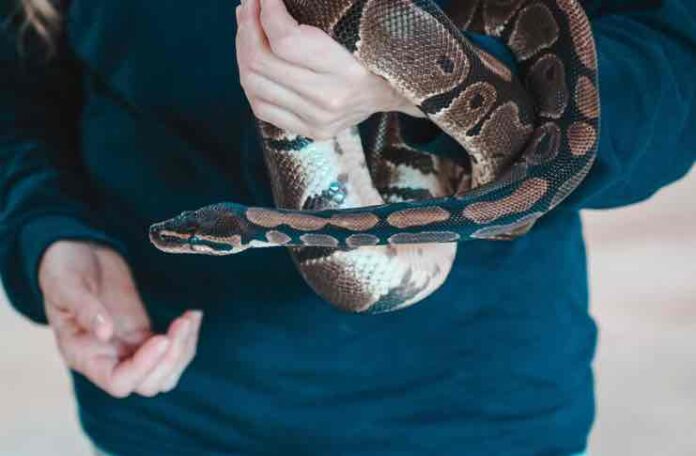
Snakes Make Good Pets
Photo by Davyd Bortnik on Pexels.com

Do you want a pet that is low-maintenance and doesn’t require a lot of exercise? Well, then a snake may be the perfect pet for you! Snakes make great pets for people who lead busy lives because they don’t need to be taken for walks or played with. In this blog post, we will discuss how to choose a snake as a pet, and we will also provide information about 10 popular types of snakes.

Which Snake To Choose? 

When choosing a snake as a pet, there are several things you need to take into account. Like all animals, snakes have certain needs that must be met in order for them to live a happy and healthy life. At mysnakepet.com you can find all information you need, but the first you need is to decide what size snake you Foremost, you need to decide what size of snake you want.

Do you want a small snake that can easily be handled, or do you prefer a larger one? There are also many colors and patterns of snakes to choose from. Some people prefer snakes with bright colors, while others prefer more subdued shades. Another thing to consider when choosing a snake is its personality.

Some snakes are very active and curious, while others are more docile and laid-back. It is important to choose a snake whose personality will mesh well with your own.

Types of Snakes

Once you have decided on the size and personality of the snake you want, it is time to choose a specific type. Here are ten popular types of snakes, along with some information about each one. 

Corn snake

Corn snakes are one of the most popular types of pet snakes. They are relatively small, and they come in a wide variety of colors and patterns. Corn snakes are also very docile and easy to handle.

Garter snake

Another popular pet snake is the garter snake. They come in a variety of sizes and colors, and their length can range from two to six feet. Garter snakes are energetic and curious by nature, making them entertaining pets to observe.

King snake 

Kingsnakes are huge serpents that can reach lengths of up to eight feet. They are slow-moving snakes that come in a variety of hues and patterns. People who desire a giant snake as a pet should choose a king snake.

Python

Pythons are one of the largest types of snakes, and they can grow up to 20 feet long. They are not recommended for first-time snake owners due to their size and strength. Pythons are generally very docile, but they can be aggressive if they feel threatened.

Boa constrictor

Large snakes, up to 15 feet long, are known as boa constrictors. Because of their size and power, they are not advised for the first snake owners. Boa constrictors are normally placid, but if they feel threatened, they can become aggressive.

Anaconda

Anacondas are one of the largest types of snakes, and they can grow up to 30 feet long. They are also not recommended for first-time snake owners due to their size and strength. Anacondas are generally very calm, but they can be aggressive if they feel threatened.

Smooth Green Snake

The Smooth Green Snake is a small snake that only grows to be about two feet long. They are very docile and easy to handle, and they make great pets for first-time snake owners. Smooth Green Snakes are bright green, with a yellow belly.

Cobra

Cobras are large snakes that can grow to be up to six feet long. They are very dangerous and should only be handled by experienced snake owners. Cobras are aggressive by nature and will attack if they feel threatened. Cobras are recognizable by their hoods, which they spread when they feel jeopardized. Also, when a cobra is angry, its head will be held high off the ground. Then they will make a loud, hissing noise.

Redtail Boa

The Redtail Boa is a big snake with a maximum length of eight feet. Because of their size and power, they are not advised for first-time snake keepers. Redtail Boas are normally gentle, but if they feel threatened, they can become predatory.

Emerald Tree Boa

The Emerald Tree Boa is a large snake that can grow up to eight feet long. Their main characteristic is their beautiful green color. They can become combative if they feel threatened. Also, they are not recommended for first-time snake owners. Some of them are escape artists, so a secure enclosure is a must.

Now that you know more about choosing a snake as a pet, we hope you will consider adding one to your family! Snakes make great pets for people who want a low-maintenance companion. With proper care, your new pet snake will provide you with years of enjoyment. Choose wisely and have fun!

Want to read more of our latest posts? Check out our post about what kind of snakes you’d want in your garden.
The Difference Between Venomous and Poisonous Snakes

Difference Between Venomous and Poisonous Snakes
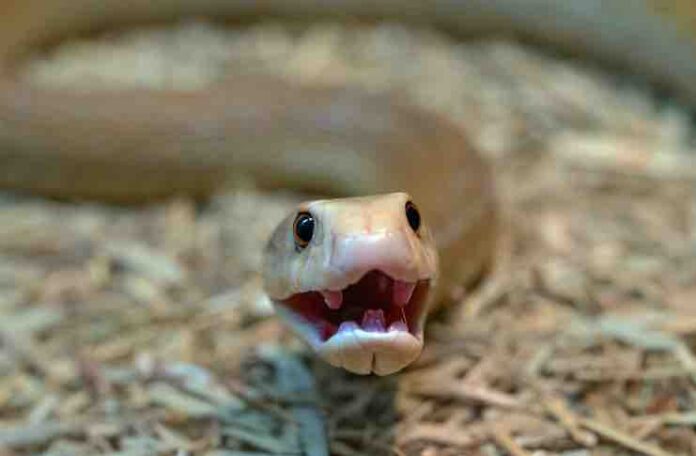
Photo by David Clode on Unsplash.com

When talking about snakes, we often use the terms “venomous” and “poisonous” interchangeably, but if we’re being honest about it, there’s a world of difference between the two.

It’s important to note, before we go any further, that these are two distinct words that define two different concepts. Poisonous snakes are usually not venomous, and vice-versa. But let’s take a more in-depth look at why there’s a difference, as well as what you can do if you come into contact with a snake (venomous, poisonous, or harmless!). 

First, a word on toxins.

One thing that venomous and poisonous animals have in common is that they both use highly destructive toxins, even in very small amounts, as a protective measure to keep predators away.

Though the amount of toxins each animal carries will differ, it’s likely that even in small doses, these toxins can cause quite serious damage if you come into contact with them. Obviously, since they are both normally used to stave off predators, they need to be strong, otherwise, a predator would dismiss them.

It’s also interesting to note that while poisonous animals release their poison as a passive, defensive measure, venomous creatures might also use it to debilitate potential victims and make them more pliable. So that’s another difference. Between venomous and poisonous snakes.

Now, let’s talk about wording.

The key difference between venomous and poisonous snakes is in the names, themselves. Venomous snakes use venom, while poisonous snakes use poison. One is active, the other is passive.

Venomous snakes usually administer their toxic toxin cocktail by means of biting their victim, or a predator. They famously lash out and snip you, administering venomous toxins through their bite.

Poisonous snakes, on the other hand, eliminate poison through their body and only administer it through contact or ingestion. This means that while these snakes won’t bite you, if you kill and eat them, you are likely to severely suffer or even die.

If you suspect there’s a snake on your property…

If you think you might be harboring a snake on your property, we suggest that you don’t play about, and call a professional like District Wildlife Solutions. 

That being said, let us get back to our poisonous and venomous snakes…

Are there venomous snakes?

Yes! At present, of the 3,500 different species of snake known to man, roughly 600 are venomous. These include well-known snakes like the King Cobra, or the Black Mamba. While some of these snakes prefer not to bite, and only use it as a warning (many venomous snakes actually administer an initial “warning bite” without venom), some can be highly aggressive, and lash out without reason.

This is why you should never approach a snake on your property, regardless of whether you think it’s venomous or not.  Some venomous snakes, like the coastal or the inland taipan, can kill very quickly, and have a very low survival rate.

Are there poisonous snakes?

Okay, so we knew there were venomous snakes out there that could harm you with a single bite. But what about poisonous snakes? Well, the answer can be both yes and no. While there are no poisonous snakes per se, the garter snake can kill you, if ingested. 

This is because the garter snake – which is a very common and harmless snake – feeds on plenty of newts and salamanders, which are, in turn, poisonous, and the garter snake absorbs that.

Myths and Facts about Bearded Dragon Care

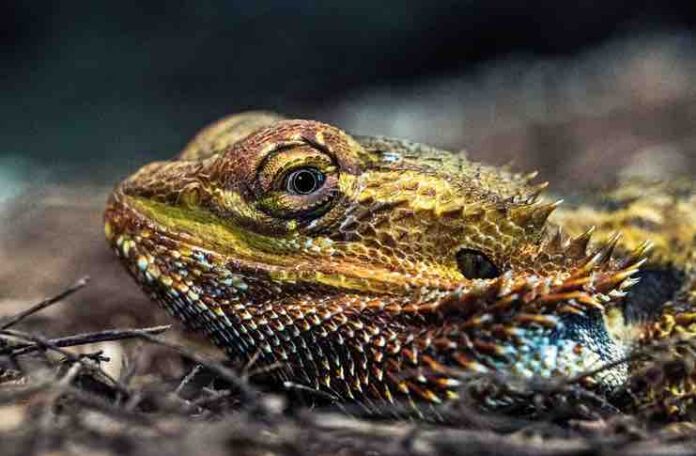
bearded dragon care
Photo by David Clode on Unsplash.com

When it comes to taking care of bearded dragons, there are a lot of myths and misinformation out there. Some people believe that bearded dragons don’t need much care, while others think they’re very high maintenance. But despite their popularity among reptile pet lovers, many parents are against adopting bearded dragons for their kids, thanks to the wrong information.

So, what’s the truth? Let’s look at some of the most common myths about bearded dragon care and see what the facts are. We can help new beardie owners give their pets the best possible care by dispelling these myths.

What are Bearded Dragons?

Just like a dragon, this creature lives up to its name; unlike other lizard species, the bearded dragon comes with an armor of scales that includes a spike below its chin, which puffs depending on its moods. Currently, there are 8 bearded dragon species that are referred to as “beardies,” with the most common pet species being Pogona vitticeps.

The bearded dragon is one of the most popular reptile pets available that tends to be active, gentle, and curious. Unfortunately, adopting any lizard legally is not an easy thing; after all, you can’t just go to their habitat and pick one; you have to prepare your home for their arrival and visit a certified adoption center.

Luckily, differentiating a female bearded dragon from a male bearded dragon is relatively easy, and it can help you adopt the right pet for your home. And to make it easier for you to live with your new pet, here are some facts and myths about bearded dragon care.

8 Facts and Myths about Bearded Dragon Care:

1. Bearded Dragons Don’t Need Uvb Lighting to Survive.

One of the most common myths about bearded dragons is that they do not need UVB lighting to survive. This is not true! Bearded dragons need vitamin D3 to survive; in fact, it’s essential for their health.

Without UVB light, bearded dragons can develop health problems such as metabolic bone disease. Luckily, they don’t need to be exposed to UVB light for as many hours as most pet owners think.

Experts recommend that you expose them to about 14 hours per day in summer and spring. But in winter and fall, they only require 8 hours of UVB light per day. Avoid leaving the UVB light on overnight.   

2. Bearded Dragons Don’t Require a Lot of Care.

Well, this is actually not the truth; bearded dragons require a lot of attention and regular care in order to stay healthy. They need a spacious tank with plenty of climbing objects and hiding spots and a varied diet, including live insects and appropriate vegetables.

While bearded dragons enjoy some space to roam, they can be happy in an enclosure that is just a few square feet. Many people keep their bearded dragons in cages or tanks less than five square feet. Therefore, understanding lizards’ life cycle can help you prepare your home for the new pet and determine the amount of roaming room they need.

3. Bearded Dragons Are Picky Eaters.

This myth is far from the truth. A considerable percentage of these creatures feed on a wide range of foods. You might have come across older creatures that are very picky eaters, but they are scarce. So, you should train your pet to eat a wide range of veggies and fruits. If you give them different foods from the start, they will get accustomed to different types of foods. Avoid giving them too much of a particular kind of food.

Bearded dragons have strong jaws that can help them crush hard-shelled insects such as beetles. Plus, being omnivorous, they can also feed on rodents, small lizards, fruit, flowers, and leaves.

4. Bearded Dragons Don’t Need a Heat Source

Another common myth is that bearded dragons do not need a heat source. This is also false! Bearded dragons require a basking area that reaches temperatures of around 100-110 degrees Fahrenheit. If the room’s ambient temperature is below 70 degrees, you will also need to provide a supplemental heat source.

5. Bearded Dragons Don’t Need to Be Bathed

Some people believe that bearded dragons do not need to be bathed. This is also false – bearded dragons need to be washed at least once a week in order to stay healthy. Cleaning them once per week can help keep them disease-free and even increase their lifespan. Plus, you have to keep their tanks clean.

6. Bearded Dragons Carry Diseases

It’s a known fact that some illnesses like salmonella can be easily contracted from other pets. But the likelihood of getting these illnesses from your bearded dragon is very low, and with proper care and cleanliness, you can keep your pet disease-free. But it’s always a good idea to disinfect your hands after cleaning their tank and avoid touching your face.

7. They Can’t Live in Cold Areas

Bearded dragons can’t live in cold environments. This is not true – bearded dragons can live in a wide range of temperatures, from 50 degrees Fahrenheit to 100 degrees Fahrenheit. Bearded dragons are cold-blooded creatures that rely on other heat sources to maintain their temperature.

8. Bearded Dragons Are Expensive to Take Care Off

Like with other pets, there are many costs associated with keeping a bearded dragon, but they are cheaper than cats and dogs. Keeping reptiles can end up being reasonable in the long run. But you may have to spend more when introducing it in your home. But once you have purchased the substrate, lighting, and other enclosures, the other things you will have to buy are supplements and food, which are a few dollars every week.

Conclusion

So, are bearded dragons the perfect pet for you? Probably not. But they can make great companions for people who are willing to put in the time and effort to care for them properly. As with any animal, there is a lot of misinformation about how to best take care of bearded dragons, but hopefully, this article has cleared some things up for you. But before you adopt a bearded dragon, make sure you find out if you need a permit. Some states like Arkansas and Delaware allow folks to own these pets without a permit.

Dogs and Cheetahs Living Together in a Zoo

Dogs and Cheetahs
Photo by Pavan Kumar on Unsplash.com

There is no history of mutual camaraderie between dogs and cats. However, it is possible. San Diego Zoo researchers recently found that a dog can positively affect an edgy cheetah. They’re trailblazers in species conservation.

The San Diego Zoo’s unusual friendship

Dogs and cheetahs were paired for the first time in 1980 when Arusha, a male cheetah, was paired with Anna, a golden retriever. They developed a unique and incredible friendship, which showed the remarkable impact a canine companion can have on any wild cat. 

At least fifteen zoos across the country have adopted the dog-and-cat buddy system developed by zookeepers in San Diego. Zoos use different dog breeds, but the most popular are labrador retrievers, golden retrievers, and Anatolian shepherds. 

The San Diego Zoo’s Raina and Ruuxa, a cheetah cub and female Rhodesian ridgeback puppy, formed one of the strongest friendships the Zoo has ever seen. During her playmate’s recovery from surgery, Raina watched over him closely, and the two became inseparable as they snuggled during the night and played together during the day.

What is the purpose of pairing cheetahs with dogs at zoos?

Zoos match their cheetahs despite the apparent cute factor, but why? Is this relationship beneficial?

Cheetahs are easily agitated, according to National Geographic. Usually shy, cheetahs in captivity have a great deal of nervous energy. Conversely, a dog has a friendly, confident disposition. Trainers hope their cheetah counterparts will learn this trait from their dog counterparts. 

Dogs are yet known for their calming effects, and you have undoubtedly experienced these effects. Cheetahs, in turn, learn to mimic their canine buddies’ relaxed behavior. Cheetahs thrive thanks to dogs’ social signals.

Ultimately, the goal is to preserve a cheetah population at risk of extinction. Cheetahs’ stress and anxiety don’t precisely encourage breeding, so zookeepers have sought ways to calm them down and relax them. 

You can get more information about dog breeds and their relationship with other animals by visiting dogs365.com. Different informative blogs about dogs and puppies are available to check out. 

What is the process of partnering a dog and a cheetah-like?

It takes time for a cheetah and a dog to become friends. It often takes almost weeks or months for them to form a bond. 

Zoologists pair cheetahs three months old with a friendly, six-month-old rescue dog. A divider separates the animals to see and smell one another at first. The partition is removed after the pair becomes accustomed to each other, and brief leashed visits are permitted, supervised by handlers.

Check out this video to get a glimpse into the Zoo:


Developing a relationship between a dog and a cheetah is unique, and it can take weeks or months to establish a bond. After creating that special bond, however, the two will spend every waking moment together, as well as sleeping. Their only time apart is during mealtime.

A wild cheetah and a dog

In captivity, dogs with cheetahs form a symbiotic bond utilized in the wild for conservation efforts. The Namibian farmers face frequent encounters with cheetahs preying on their livestock. Farmers kill and trap wild cats as a means of protecting their property and livelihood, drastically reducing their population. 

The Cheetah Conservation Fund established a Livestock Guarding Dog Program in 1994 to help save this all-dwindling species. Program participants breed and raise dogs (mostly Anatolian shepherds) alongside herds to protect them fully. Dogs can scare away a hungry cheetah if it lurks nearby. 

Since its implementation, the cheetah population has steadily increased due to this clever predator management system. The organization reports an 80 percent decrease in cheetah attacks!

Want to read more of our latest posts? Check out this article about why do some dogs NOT shed.

Why do some dogs NOT shed?

Why do some dogs NOT shed
Photo by En Vie on Unsplash.com

That’s the question that pet lovers everywhere constantly ask. The fact is, there are certain breeds that do not shed, but they certainly aren’t common. But if you’re currently looking for a new canine member of the family, it might be important to note that there are certain breeds that don’t shed.

In this guide, we’re going to help you understand precisely what shedding is, and if you find yourself wondering do Goldendoodles shed or will a Maltese cover my home in hair? We have all the answers for you.

What is Shedding in dogs?

When a dog is shedding, it’s actually losing hair from the undercoat. Many breeds of dogs have two coats of fur: an inner layer closest to their skin and a longer outer layer that helps to keep them warm. In order for your dog to regulate its temperature, they rely on these two layers of fur working together.

As dogs groom themselves, they will also lick the loose hair from their coat which causes the dead hair in the undercoat to be shed. Your dog may begin shedding without you noticing because they tend to drop small amounts at a time over a period of days or weeks instead of all at once. This is entirely normal, and usually, nothing for owners need to worry about as long as there are no other signs that something might be wrong with their pet.

What Causes Shedding?

Typically, the change of seasons will cause your dog to begin shedding. This is because as the weather gets hotter, they’ll shed their winter coats, and then again, when temperatures start to drop, they’ll grow thicker, warmer coats ready for winter.

Losing seasons do vary between breeds and individual dogs, so don’t be surprised if you notice more hair around your home during these times of the year, although this should only last a short while!

If your dog ever seems stressed or anxious at any point in time, you might also notice an increase in hair loss around the house which is perfectly normal too. The reason is that when dogs become stressed, their body releases hormones that help them to cope with their anxiety. The problem is that these hormones trigger a more significant amount of hair growth and they will also experience shedding due to the increased hormone production.

Breeds That Tend Not To Shed Very Much

There are some breeds who actually struggle with losing hair no matter what the temperature is outside. Although most of these breeds are pure breeds, it’s not always the case.

It might not be important for all owners to know which dogs don’t shed, but if you’re looking for a pet who won’t leave hair around your house, then you might want to consider one of these breeds:

Afghan Hound

This is one of the most beautiful dog breeds you’re ever likely to find with a long, silky coat that doesn’t shed. You will still need to groom the Afghan hound at least twice a week to prevent matting from occurring, but it’s certainly a breed that doesn’t shed.

Bichon Frise

The Bichon Frise is a small, adorable dog often favored by elderly owners because of their happy go lucky nature. While the Bichon does not shed, their coat does continue to grow and, if not cared for, will begin to mat. Many owners opt for the services of a professional groomer once a month to keep their Bichon’s coat in perfect condition.

Chinese Crested

There are two types of Chinese Crested, the powder puff and the hairless. The powder puff has a very thick, soft coat, which sheds, but the hairless version has just a little hair on their head, tail, and feet. It’s essential to look after the skin of a hairless breed, with sunblock being needed in the summer and a warm, snug coat in the winter.

Kerry Blue Terrier

The Kerry Blue Terrier is a smart, playful breed with a lovely double coat that sheds minimally throughout the year. If you love the look of long-haired fur but don’t want to deal with the extra work that comes with it, then this could be the dog breed for you!

This might also be a great choice if someone in your family has allergies; that’s because, more often than not, the Kerry Blue has a hypoallergenic coat.

Maltese

This small dog breed has a thick, long coat that will continue to grow rather than shed, and so if it’s not maintained correctly, it will begin to mat. To stop this from happening, give your Maltese a good brush every day and take them for regular grooming appointments to keep their gorgeous coat in tip-top condition.

Poodle

There are three types of Poodle, standard, miniature, and toy. All three have a similar coat that grows without shedding and will need to be given regular haircuts to maintain their shape and length. Despite not shedding, you will still get occasional hair on clothes or furniture, much like human hair.

Despite their regal appearance, the Poodle is a very active breed and gets bored quickly if they don’t get enough exercise. If you own one of these breeds, be sure to keep them entertained with regular games and mental stimulation to prevent them from getting themselves into trouble!

Portuguese Water Dog

This is another incredibly good-looking purebred who doesn’t shed at all, which means they are hypoallergenic too! The Portuguese Water Dog has an amazing, thick coat that can be wavy or curly. Do be aware that this is a high-energy dog that will need two long walks every day, no matter the weather!


Should You Get an Exotic Pet? 7 Things to Consider First

Should You Get an Exotic Pet
Photo by Jonatan Lewczuk on Unsplash.com

Most people are happy to own common household pets like cats, rabbits, and dogs. While they all make excellent pets, there are other options – many of which are exotic. 

Exotic pets like snakes, geckos, and tarantulas are undeniably interesting. For the right pet owner with a genuine love for these creatures, they make a brilliant addition to a home. That doesn’t mean they are the right choice for everyone, though. 

Before you invest in an expensive habitat for your scorpion or snake, consider these seven things first. 

1: Can You Afford It?

If you have a common pet like a cat or a dog and you live in Tennessee, for example,, you can go to an affordable veterinarian in Knoxville Tennessee. While these pets are costly, you don’t have to search for a specialized vet. 

With an exotic pet, there are many costs to consider. Think about how much the vet costs will be, how expensive the enclosure is to buy and run, and how much you’ll need to spend on food each month. Depending on the animal, it can cost a lot of money, so be sure you have the funds first. 

2: Do You Have Prior Experience?

While you don’t necessarily need experience handling a snake or lizard to own one, it does help. If you’re considering an exotic pet, see if you can handle one first, whether at an animal encounter experience or at your friend’s home.  

3: Do You Have the Correct Setup?

The correct setup is crucial when it comes to exotic pets. Get something wrong, like the temperature or the size, and you could seriously harm your pet’s physical and mental state. 

For example, a snake enclosure needs: 

. Ventilation 

. Heat Mat or Lamp 

. Water Dish

. Thermostat

. Substrate

. Snake Hides 

4: What Other Pets Do You Have?

Will the presence of an exotic pet disturb the pets you already own? Your job is to keep the pets you own as content and healthy as possible, even if that means not purchasing an exotic pet

If you have other pets, you should separate them – if possible, keep your exotic pet in a room your other pets cannot enter. 

5: Is the Seller Trustworthy?

When purchasing an exotic pet, you must ensure the seller is reputable. Don’t just look at the picture and assume they are trustworthy – look at other buyers’ reviews and how well they treat their pets. Before you buy, you should know how long they’ve been in business, where the animals are kept, and what health guarantees they offer. 

6: Have You Done Plenty of Research?

Getting an exotic pet should never be a spur-of-the-moment decision. To be a responsible pet owner, you must do thorough research into the pet you wish to buy beforehand. You need to know everything, from the food it eats to the temperature it requires. Only then will you be able to provide it with a comfortable and suitable environment to thrive in.

Want to read more of our latest posts? Check out the 4 stages of the Reptile Life Cycle.

Tips For Finding a Dream Job as a Zookeeper in Queensland, Australia

Zookeeper in Queensland

Is your dream job is being a Zookeeper? Well, becoming a zookeeper in Queensland (QLD), Australia is probably the best place to do so, as you can be a part of one of the most popular zoos in the entire world. However, you have to keep in mind that being a zookeeper is not something you must take for granted. First, the zoo will perform a criminal history check or ask for a national police check QLD. This type of background check is needed to ensure you are safe to work with and very professional. If you get past that, there are other things you need to focus on

Understand the qualifications for your dream job in the Zoo

Depending on what type of job you want, there are different qualifications to consider. For example, you need to have high education or a zoological-related science degree. Depending on your job within the zoo, these requirements will differ. That’s why you want to assess what the needs of that workplace really are and see what you can do in order to fulfill that goal. It’s important to keep that in mind and then adapt accordingly for the best possible results.

Improve your skills

It’s a great idea to learn new animal-specific skills as well. This will help you gain the upper hand if you want to be hired as a zookeeper. What you need to realize is that the job of a zookeeper is versatile, it requires a lot of different tasks, and it can be unpredictable. That’s why you need to take your time and understand every task you need to do and the right way to fulfill it. That’s what will give you the best results.

Don’t be afraid to volunteer for any animal-focused charities and causes

This shows you really love this field and you want to be involved in it. When you try to get hired as a zookeeper in QLD, it’s one of those things that really help push the limits in a creative manner. It will take a bit of trial and error to figure out what approach you want to pursue, and the benefits can be really impressive.

Start networking

Networking can also help you get the upper hand and access such a job. Connecting with various companies and people in the industry will make it easier to acquire a job as a zookeeper. It’s definitely not a simple thing, but it might end up bringing in great results, so that’s the thing you want to take into consideration here.

We recommend taking these ideas and tips into account if you want to land the zookeeper job you always wanted in Queensland, Australia. Yes, it will take a bit of time to get this job, but it’s totally worth it. Improve your skills all the time, work within the industry and gain recommendations, as it will help a lot. Also, you want to stay deeply involved with various charities that help animals, as this can be very helpful for your resume too!

References

Seek Australia “How to Become a ZooKeeper” – https://www.seek.com.au/career-advice/role/zookeeper 

Zoos Victoria (Becoming a ZooKeeper) – https://www.zoo.org.au/about-us/careers/becoming-a-zoo-keeper/ 

Want to read more of our latest posts? Check out the benefits of buying homemade dog treats.

The 4 Major Different Stages of the Reptile Life Cycle (Born to Death)

Different Stages of the Reptile Life Cycle
Photo from Pixabay.com

Reptiles are fascinating creatures that have been around for about 310-320 million years. They are a fascinating class of vertebrates that is made up mostly of snakes, turtles, lizards, and crocodilians. These animals feature dry scaly skin with almost all Reptiles being cold-blooded to regulate body temperature for efficiency as well giving birth in most cases when it comes time to lay eggs but some such as the boa constrictor give life young instead.

When it comes to the life cycles of reptiles, there are many similarities and differences. Though they all have a similar beginning as eggs that progress through hatchling stages before reaching adulthood with their own unique characteristics in mind you’ll need some patience for this one. Let’s break down how these animals develop from egg-laying creatures into mature adults.

The 4 Different Stages of the Reptile Life Cycle

When most people think of the life cycle of a reptile, they think of eggs hatching and baby reptiles growing into adults. But there is more to it than that. Reptiles go through four unique stages during their lives, each one with its own challenges. Today, we’re going to take a closer look at these stages and what you can expect from your pet reptile at each one.

1. Developing as an Egg

Reptiles are typically born as eggs, but a few species choose to give birth. In the case of live-bearing lizards like geckos and crocodiles, their young need protection from predators in order for them to be able to survive outside their eggshells. As an animal develops inside its mother’s body most of it time until hatching occurs when there may only exist offspring or neonates per clutch depending on how quickly they grow – smaller animals tend towards having fewer clutches than larger ones with similar sized bodies because size itself isn’t always enough if males don’t get big during adulthood too.

2. Hatchling

The baby reptile is able to care for himself at birth. When he’s ready, the little guy breaks through his egg using an “egg tooth” and then remains in it for 12-48 hours before popping out. Once this is done and they’re born as babies into their temporary home in nature with no parental care whatsoever.

3. Juvenile

Stages of the life cycle are fascinating and Reptiles offer a varied view of this process. Juvenile stages can be quite different from the adult form and in many cases. The green iguana species is one that grows slowly until it reaches sexual maturity. Some others grow very quickly and can be sexually mature at about 9 inches long from snout to vent with age reaching 16 months for this type of animal’s development cycle in general (though some may reach adulthood earlier or later).

4. Reproduction (or procreation or breeding) / Adults

Mature reptiles can store sperm for up to six years, and once they breed with a male in order to fertilize future eggs. And then carefully lay her eggs in a hole or bury them underground so that they’ll be left alone until it is time for their babies to grow into adults.

Only crocodiles and pythons look after their children. Lizards can guard their eggs (even incubating) but once hatched most lizards don’t stick around for more than one day before moving on. Again leaving young reptiles at risk of dying due to being left behind by a mother’s fast-paced lifestyle which often leads these little animals to have high mortality rates.

Reptile Life Cycle
Photo from Pixabay.com

What Is the Lifespan of Reptiles?

Reptiles are some of the most amazing animals on Earth. They have a very unique life cycle that progresses through several different stages. The reptile life cycle progresses in a way that can be fascinating to watch.

  • Ball python: 15 to 20 years
  • Bearded dragon: 5 to 10 years
  • Eastern box turtle: 25 to 50 years
  • Green iguana: 5 to 15 years
  • Kingsnake: 10 to 15 years
  • Leopard gecko: 20+ years
  • Leopard tortoise: 50+ years
  • Old World chameleons: 3 to 8 years

Hibernation, brumation, and torpor are all closely related to the lifespan of a hibernating animal. These three states also happen at different times during an animals’ life span which means that it can have various impacts on its health depending on when it occurs in relation to other physiological events like the mating season for instance.

Hibernation vs Brumation vs Torpor

Hibernation is a deeper and longer version of torpor. Brumation, on the other hand, is specific to reptiles and amphibians that enter what’s called “deep sleep” where they undergo similar patterns of inactivity with low body temperature: like, heart rate, metabolic rates as well their respiratory systems slowing down drastically all while still having an operational brain activity when needed for consciousness or life-sustaining functions such coordinating digestion from food eaten before entering into this type/stage. Thus Hibernation vs Brumation vs Torpor is more involved than competing with each other.

Hibernation is a great way to lower energy costs while still being alive. However, hibernating animals will typically enter torpor (a state of deep sleep) where they remain until conditions become more favorable or food becomes available, this can take months.

The alternative Brumation occurs when an animal’s body temperature drops below ambient temperatures for long periods in order to conserve food and water stores during times without sufficient resources such as cold weather.

Final Words

Reptiles are fascinating creatures that have an incredibly diverse life cycle. They come in many shapes, sizes, and colors with a variety of habitats to choose from. Juveniles are the most intriguing stage for these reptiles because they look adorable at this point in their lives as well as during this time they often move around too much which makes them difficult to capture.

The Benefits of Buying Homemade Dog Treats

Homemade Dog Treats
Photo by Chewy on Unsplash.com

We love to put healthy food in our bodies. It not only feels good, but it also provides more energy and contributes to healthy immune systems and overall wellness. Many people prefer to avoid foods and snacks that are highly processed with plenty of preservatives. That’s for good reason: putting food with poor ingredients into our bodies doesn’t offer any health benefits.

If we look after our bodies and view food as a healthy kind of fuel, why wouldn’t we want to do the same for our dogs, who rely on us for their health?

What You Should Know About Homemade Dog Food

Healthy food makes for healthier dogs, as it helps them fight disease, boosts their immune systems, provides them with more energy, and makes their coats healthier. By being more intentional about what you feed your dog, you’ll be giving it a healthier lifestyle, as is the case for us humans when we are intentional about our own health.

One way you can really help your dog’s nutritional system is by buying healthy homemade dog treats. Think about all those bags of dog treats you’ve gone through as you’ve trained and rewarded your dog. Now imagine the difference it could have made if those treats had a higher nutritional value instead of whatever was in those generic treats. By incorporating healthy treats into your dog’s diet, you might be surprised by the benefits after a while. Here are two big benefits of buying homemade dog treats.

They Can Be Safer

A significant 5,200 complaints of pet treat-associated illnesses were made to the FDA between 2007 and 2015. Certain packaged treats have been linked to hundreds of dog deaths, although the ingredients that resulted in the illnesses haven’t yet been confirmed.

When you buy homemade dog treats, you know exactly what’s going into your dog’s body. There won’t be any suspiciously-sourced ingredients or hidden chemicals, and you’ll have total control of what your dog is eating. Of course, you’ll still want to know which foods to avoid buying, which you can get more information on by speaking with your veterinarian. 

Benefits Homemade Dog Treats
Photo by James Lacy on Unsplash.com

Healthier Ingredients

You won’t find as many chemicals, fats, and preservatives in homemade dog treats as you do in regular treats. This is because stores don’t need to keep homemade treats in bags sitting on their shelves for weeks, and so they contain the most natural and the freshest ingredients available. The ingredients are better for your dog’s digestive systems, and they also contribute to healthier fur, gums, teeth, and hearts.

What Food is Best for Your Dog?

When it comes to ingredients and recipes, there’s no one solution for every single dog out there. Dogs of different ages, breeds, and sizes need different nutrition and diets, so you won’t find the perfect product available.

If you want to know what supplements and ingredients are best for your collie, whippet, boxer, or beagle, the best thing to do is to make an appointment with your veterinarian to talk over the nutritional and health needs of your dog’s specific breed. They’ll advise you better than some generic advice you might find online.

While you should check with your veterinarian to be on the safe side, there are foods considered to be safe for dogs, such as carrots, peanut butter, and oatmeal. And there are foods you’re advised to avoid giving them, like chocolate and avocado.

If your dog has had a lifetime of eating regular treats, you should introduce them to fresh ingredients slowly. Observe how your dog reacts to the food, and check with your vet before giving your dog anything. With fresh ingredients, it’s always better to provide them in moderation.

The Drawbacks of Making it Yourself

Yes, you can make homemade dog food yourself, but be aware that there are downsides to doing so. Firstly, it requires your time and a daily commitment. It isn’t like buying homemade dog treats online when you simply wait for the delivery, take out the food and put it into a bowl for your dog. Furthermore, if you’re counting your dog’s calories, you’d have to do your research if making homemade dog food. With food that’s already been prepared, you should be able to see the calories right there on the packaging. 

Wrap Up

Whether your four-legged friend is a 6-pound Chihuahua or a 90-pound Labrador, you can buy homemade dog food and treats to give him or her a new, healthier, and more nutritious lifestyle. You’ll also have peace of mind knowing you’re giving your dog the greatest ingredients available as both of you continue to be the very best of friends.

Want to read more of our latest posts? Check out our tips about fencing a yard for an outdoor Tortoise.

Fencing a Yard for an Outdoor Tortoise

Fencing a Yard for an Outdoor Tortoise
Photo by David Boyle on Unsplash.com

Although some people are content to stuff their tortoises into an entirely too-cramped indoor space and habitat, they should really know better. 

Tortoises, like many other less-conventional pets, require a sizable amount of space to stay healthy and safe in your care—in other words, they ought to be kept outside in some way, shape, or form. 

But how do you safely keep a tortoise outdoors? Read on to learn more about creating the ideal fenced-in enclosure for your tortoise. 

Threats to Your Outdoor Tortoise

When considering the best reasons why you want to build a safe enclosure for your outdoor tortoise, it’s helpful to consider what can go wrong. 

This is because, despite our firm belief that tortoises should be kept outside, it can be better to keep them inside in certain situations. 

For example, when your tortoise is still tiny or growing, it doesn’t need all that much space. You can keep them inside and protected until the time comes when they need more space to stretch their shells. 

However, if your tortoise is already big enough that keeping them inside is no longer possible or even desirable, keep the following dangers in mind while you’re still in the concept stage of your tortoise’s new home:


  • Someone Can Cause Your Turtle Harm – That is, if they’re not properly protected, of course. It’s not unheard of to have a neighbor kid lose their ball in your backyard, go looking for it, and then accidentally injure your turtle in the process. So, plan on keeping your turtle in a place where they won’t get accidentally stepped on. 
  • Your Turtle Might Not Be a Strong Swimmer – This one goes without saying. Got a pool? Better keep it barricaded off from wherever your turtle’s going to be, then. Otherwise, tragedy can ensue. 
  • Your Turtle Can Escape and Get Into an Accident – If you get in a car accident, a car accident attorney can help you negotiate an injury settlement through the insurance claims process. Your tortoise? Not so much. Plan on building your fence out properly so your outdoor tortoise doesn’t go full MacGyver and end up playing frogger in oncoming traffic. 


Simply put, knowing the dangers your tortoise could face in an outdoor environment is the best way to adequately prepare.

Outdoor Tortoise
Photo by Aron Visuals on Unsplash.com

Sizing Your Outdoor Tortoise Enclosure 

What is the appropriate size for your tortoise enclosure?

This really depends on two main factors: the amount of space at your disposal and the size of your tortoise. 

For hatchling tortoises, a space that’s roughly 4 feet x 8 feet is normally sufficient. For large adult tortoises, such as Sulcatas, Aldabras, or even Hermanns, 10 feet x 20 feet should be considered the minimum. 

Of course, when it comes to making your tortoise healthy, happy, and safe in their enclosure, more space is always better than less. Some other factors to keep in mind include the number of tortoises you own, as well as the presence of trees or other obstacles. 

Materials You Can Use to Build Your Enclosure

You can build your enclosure with pretty standard-fare materials from your local hardware store. 

Some examples of materials you may need—or might just like to have—include:

  • Wood
  • Brick
  • Concrete
  • Metal
  • Stones or rocks

In reality, enclosures made of wood, chain-link fencing, or even cinder blocks held together by concrete are all popular, and economic, choices.

Considerations for Building the Enclosure 

One of the most important considerations for building your tortoise enclosure is safety and structural integrity. Tortoises are known diggers, which is something you should be aware of when erecting the walls of the enclosure. 

Because of this, the walls of your tortoise enclosure should be buried at least 12 inches below ground level to prevent any burrowing out by your reptilian friend. 

Furthermore, make sure to poke some drainage holes every few feet or so along the base of your enclosure’s walls to allow for fast and easy water runoff. 

Decorating Your Tortoise’s Enclosure

If housing more than one tortoise in your enclosure, decorations, such as bushes, can be vital additions to mitigate the possibility of any territory wars or other aggressive behavior. 

Also, making sure your enclosure has access to water (shallow, not pool depth), a feeding/bathroom area, plants for grazing, and a shady place for your tortoise to regulate its body temperature are also important things to consider. 

In terms of fun, you can tap into your tortoise’s natural predilection for burrowing by including a pre-made tunnel for them to crawl in and out of to their heart’s desire. 

Bottom Line

As a tortoise owner, your concerns when making an enclosure for your pet run from the aesthetic to the functional. At the end of the day, you should be able to use your own discretion in designing the living space for your pet tortoise, so long as its basic safety and sanitary needs are met.

Want to read more of our latest posts? Check out our post about where Snakes live in Florida.