

Home Blog Page 9

4 Tips On How to Make Your Home Pet-Friendly

How to Make Your Home Pet Friendly
Photo by Jexo on Unsplasjh.com

Do you have a four-legged companion? It’s no secret that America loves its dogs, with thousands of dog-friendly services around the country. There’s no limit to how far we’ll go to keep our little furballs healthy and happy, from fancy canine daycares and pet spas to doggie yoga and “pawdicures.” 

Fortunately, there are several places in the United States that provide pet-friendly amenities. For example, Knoxville real estate is booming these days, whether it’s because of the economy and broad job market, low property prices and cost of living, or the best schools in the state. You’ll find welcoming signals for your dog all across Knoxville, such as fresh bowls of water just ready to be lapped, dog-friendly activities, and plenty of nearby parks where your pup may run free. Knoxville is the ideal playground for your beloved family member to explore mountaintops, trails, and splash about in local “watering holes.”

Consider your dogs’ specific demands when designing a home for both you and them. Consider whether you want to place your door-dashing dog on a busy street. Will your overprotective dog attack visitors? What can you do to make your multi-story home more welcoming to your elderly dog? What everyday objects are dangerous to pets but not to humans? Below are ways to make your home pet-friendly.

1. Dog/Mud Room

Few things are more pleasant than experiencing a dog’s genuine delight in the big outdoors. However, this happiness comes at a cost and re-entering your home without making a mess can be challenging. Adding a “Dog Room” to your home can let you re-enter your home in a clean manner. Use existing laundry rooms or mudrooms to store your dog’s supplies, leashes, and other items, or add special amenities like a dog shower.

2. Stain Resistant Fabrics

Forget silk, chintz, and velvet, which attract pet hair. Discover the benefits of Crypton, a synthetic fabric that is practically indestructible and resistant to stains, odors, bacteria, and muddy paws. Leather is a fantastic choice because it is easy to clean and long-lasting. The claws of Fido or Fluffy will only scratch most grades of leather, but hey, the scratches add patina. If you think buying a sofa made from an animal for your animal is a cruel irony, try pleather. It’s cruelty-free, reasonably priced, and timeless in appeal.

3. Pet Friendly Flooring

The flooring you choose for your pet-friendly house will be one of the most important selections you make. Flooring is a significant investment in your house, and picking the wrong type of flooring may be pricey. In terms of durability, ceramic tile or laminate flooring is a reasonable choice, and it also comes in wood-like designs to give you the classic aesthetic of wood floors but with enhanced longevity and simplicity of care. 

4. Big Window

Give your pet at least one large window where he/she can sit or stand to watch what’s going on outside. A glass door will also provide a good view for your pet. Both cats and dogs adore gazing out windows, so provide them with a space where they can appreciate the outside from the comfort of their own home.

Want to read more of our latest posts? Learn how to address your dog’s chewing problem.
A Guide to Traveling With A Reptile

Traveling With A Reptile
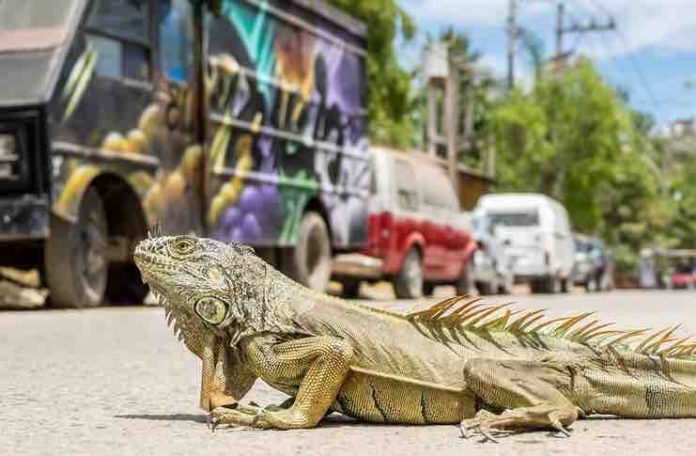
Traveling With A Reptile. Photo by Eric Anderson on Unsplash.com

Planning on traveling with a Reptile anytime soon? You’ve reached the right place. Did you know that it’s possible to transport reptiles via airline or car? Well yes, it is. Breeders actually use expert services such as this reptile courier UK to ship most reptiles to consumers and stores. It’s possible for you to do the same. However, you may hesitate now that you have already established a strong connection with your pet reptile.

Ensure that you get it checked out by a veterinarian and receive a signed health certificate no more than 10 days prior to travel. Certain states restrict pet importation, especially that of amphibians and reptiles, so you need to know the rules of the city and state that you are moving to.

You can also get in touch with amphibian and reptile enthusiasts at local herpetological clubs, they can also be an excellent source for finding the right vet for your kind of pet.

Moving might be hectic, but you should still try keeping your pet’s routine the same as usual. Stress can be hard on pets, but reptiles are particularly susceptible to health problems. Allow your pet to spend time in the carrier so that it may get used to it prior to the move. You should also ensure that the pet is in a safe location before the arrival of the moving company.

The greatest challenge when traveling, whether by car or airline, is keeping your amphibian or reptile at a comfortable temperature. Ensure that you take precautions by adding heating/cooling elements. However, this will depend on the temperatures and time of year, particularly when transporting by plane.

Keep in mind that your pet will probably be stressed and may start acting differently, so be particularly cautious if you must remove the pet from the carrier.

Traveling with a Reptile Via Air

Airlines will accept most reptiles but only as cargo. It will be more expensive compared to shipping, but it could be less stressful for the pet. Ensure that you check with the airline you want to travel with since they each have different rules and regulations.

If using cargo transportation, ensure that the airline you choose has an approved carrier for your pet type. For larger reptiles, such as iguanas as well as larger snakes, a dog or cat carrier may be sufficient. 

Ensure that the carrier is large enough to allow the pet to move around but not too big since the animal may injure itself. The airline here can be an excellent resource regarding the carrier since they transport pets regularly.

Ensure that you label the carrier you use properly. Print “Keep at Room Temperature” and “Live Animal” or other key information in large letters. It’s also advisable to include your new phone number, address, and any other contact details, such as a cellphone number.

If traveling via air, ensure that you are properly organized. Your pet will likely experience stress during the process, so make sure that it is as short as possible. Pack the pet last only after you are ready to leave for the airport.  

Ensure that you have plenty of time after getting to the airport, but not too much. A direct flight may cost a bit more. However, not having to spend additional time traveling and switching airlines can help reduce the stress load on your reptilian pet.

Traveling with a Reptile Via Car

This method is a much easier mode of transportation that will cause your pet less stress compared to air travel. Traveling with a reptile via car gives you more pet carrier options. It also lets you adjust the pet’s cooling/heating needs.

If you transport your reptile or amphibian in its usual container or cage, don’t forget to remove any objects that may fall and injure them. You should also ensure that the carrier is in a safe location that will minimize movement, particularly in the event of an accident. The possibility of getting injured in a moving vehicle makes it advisable to put the pet in a carrier that’s smaller and more secure.

Try keeping stops to a minimum. The quicker the pet gets to its destination and back to its regular routine, the better for its mental and physical health. If overnight stays are needed, plan ahead to select lodging that accepts pets, particularly reptiles.

You can always use a pet transportation company if you dread moving pets yourself. If you’re expensing relocation, try seeing whether it is possible to negotiate to have your company pay to have your pets professionally moved.

Moving companies aren’t allowed to transport pets. When considering professional movers, ask whether they work with or can recommend a pet transportation company. Pet movers handle everything from picking the pet up at your home to delivering it to a kennel or your new home. Most of them offer vehicle or airline travel options.

Want to read more of our latest posts? Check out this one about dog clothing.

Learn How To Be Better Prepared For Emergencies

how to be prepared for emergencies
Photo from Unsplash.com

Have a snake at home? Or a bunch of big dogs? Accidents happen, and you always need to be ready for them. Start by learning basic life-saving techniques. The knowledge helps save lives and keep your loved ones safe during emergencies. 

Nobody anticipates disasters to happen. The least anyone can do is to be prepared when it happens. The basic life-saving skills are vital in emergencies which explains the importance of learning them. 

Do You Need Certification?

Certainly, certification comes after rigorous training and learning. You receive training on various life-saving techniques and read useful materials. Online ACLS certification from reputable sites like acls-pals-bls.com/ equips you with vital lessons that can quickly save lives.  Other lessons include basic life support and pediatric advanced life support. After completing the course, you can work in any setting and even do volunteer work. 

Sign up for local emergency alerts to ensure you receive communication during disasters. 

What Else Do You Need To Do?

Disasters, whether natural or artificial, can happen instantly. Besides knowing how to administer basic CPR and use other life-saving skills, you need supplies.  

Water 

Freshwater mitigates immediate problems like dehydration. Store fresh water in bottles at least a gallon per person. If you have a family, stock at least 15 gallons. The water is for cleaning, cooking, and drinking. 

You need water for administering medication. Keep the water safe to avoid contamination which causes health problems like typhoid, cholera, dysentery, and hepatitis.

Food supplies

As a rule, non-perishable foods like cans of beans, tuna, crackers, and ready-to-eat meals. Others are canned vegetables, powdered milk, soups, fruits, grains, and meat. 

Stock a variety of foods to ensure you have the essential food for a balanced diet to keep everyone healthy. Keep basic utensils like plates, cups, spoons, forks, knives, and can opener. 

First-aid supplies

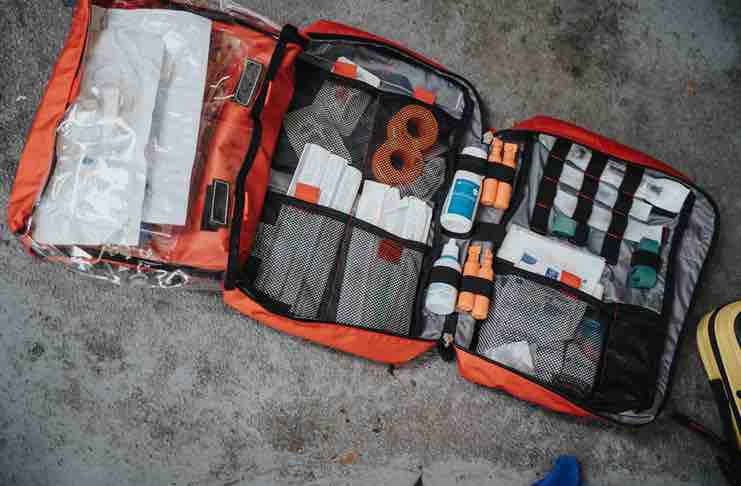
Stock medical supplies like glucose monitors, inhalers, pain killers, bandages, hand sanitizers, and emergency funds. Also, have syringes, suture kits, and splints.

These supplies ensure you can get started immediately and even help your neighbor, a stranger, or loved ones in an emergency. Always have a week’s worth of supplies, whether prescription medications or antibacterial creams.  

first aid supplies
Photo from Unsplash.com

Survival kits 

Stock basic clothing supplies and survival kits like flashlights, knives, a map of the area, etc. Have waterproof matches for starting a fire, a multi-tool, and a whistle. Buy a weather radio to keep you informed about weather alerts. Pack your personal care items like shampoo, toothbrush, and toothpaste. Essential documents 

Never leave your identification documents behind. Make copies of documents like birth certificates, marriage licenses, driver’s licenses, your emergency disaster plan, and contact information. Plus, have your insurance cards, whether medical, auto, life, or house. Don’t forget your passports, state identification, and social security cards.

The goal of preparation is to ensure people are safe during emergencies. Evacuation may be necessary to a public shelter, so have essential supplies. Emergency skills like basic life-saving techniques come in handy and help keep someone alive until medical assistance arrives.  

Volunteer in your community during emergencies and teach others what to do to stay safe. 

How to Address Your Dog’s Destructive Chewing Problem

dogs chewing

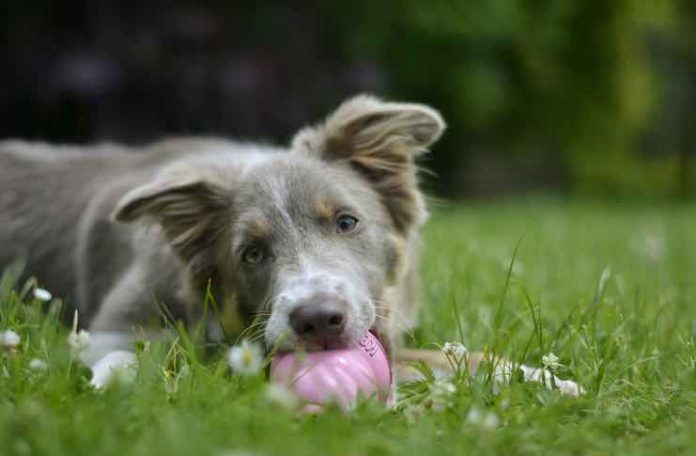
If your pup is chewing through your beloved furniture or personal belongings, this behavior may actually be a symptom of a much deeper issue. As a pet owner, it’s up to you to figure out what’s troubling your pet as well as learn how to discipline them properly.

That said, solving this may be easier said than done. It’s no wonder why there are brands selling sturdy wholesale dog beds to help pet owners get around their pup’s chewing problem. If you’re at your wits’ end because your fur baby is treating everything in your home as their personal chew toy, don’t worry. Read on to learn more about what causes dogs to chew excessively, as well as what you can do to discourage this habit.

What Is Causing Your Pup to Chew So Much?

Before anything else, it’s important to know that chewing is a completely natural process for dogs. In the wild, dogs chew on everything from bark to bones to help them sharpen their teeth, exercise their jaws, and engage their minds. It’s when they start gnawing too much and too often that it becomes an issue. To properly solve your dog’s chewing problem, you need to identify what’s causing it. Here are some potential causes to look out for:

Separation Anxiety

In general, dogs tend to chew on anything they can get their paws on when they experience unfamiliar stimuli that makes them feel stressed or anxious. This is because the act of chewing helps them relieve their feelings of discomfort. Dogs who aren’t used to being left alone may also act out in other ways such as whining, barking, and urination. These behaviors, when accompanied by destructive chewing, are indicators that your dog may be suffering from separation anxiety.

Weaning Them Too Early

Destructive chewing can also occur if your pup is weaned too early—before they are seven to eight weeks old, to be specific. They may develop compulsive behaviors such as fabric sucking and circling and may become hostile towards other dogs or people. Compulsive dogs, when left untreated, can be harder to manage over time.

Malnutrition

Malnutrition can also cause your pup to start chewing more often than usual. It’s a basic survival mechanism for dogs, as chewing helps them satiate their hunger until they can find their next meal. 

Should you suspect that any of the above may be the issue, consult a professional ASAP. A professional has the knowledge and experience necessary to diagnose and solve the potential problem. For instance, a vet can help you design a meal plan to help Fido get the nutrition he needs, while a dog behavior expert can train your pup to stop their compulsive habits.

In the meantime, though, there are still some things that you can do to help your pup overcome their chewing habit.

How Can You Stop Your Dogs from Chewing Everything in Sight?

Generally speaking, you’ll want to keep your dog engaged with an assortment of chew toys, as this will allow them to get rid of excess energy while also sparing your belongings in the process. Here are some tips you should keep in mind:

Choose the Right Chew Toy

When buying a chew toy for your pup, make sure it can withstand countless hours of chewing and mauling, all while still being engaging enough for your pet. With that in mind, choose a toy made of nylon or hard rubber, as these materials can withstand the punishment your dog may put it through.

Pick Chew Toys That Are Specifically Made for Dogs

Whenever you can, go for toys that are specifically designed for dogs. Avoid plush toys made for children, as they weren’t built to stand up to a pup’s aggressive handling. If you give one to your fur baby, they may easily rip it apart, and the torn materials may end up becoming choking hazards for your pet.

Set Up a Designated Play Area for Your Pup

In addition to getting them a good toy, make sure to set up an area where your dog can relax and calmly play with their toys. This will allow them to chew their heart out without being in a stressful environment. Don’t just give them a single toy and leave them to it, though. Instead, provide them with a variety of different toys so that they won’t get easily bored. Should you notice that a particular toy is beginning to fall apart, replace it ASAP.

Dog-proof Your Home

Sometimes, pups just can’t help but occasionally gnaw on your furniture, despite your best efforts to discourage them from doing so. If you’re still in the process of training your dog to stop chewing everything in sight, try hiding the items they tend to target, such as your shoes or any cords or cables that are lying around. You can also try installing a safety gate or railing to keep them from reaching things they shouldn’t.

Use Chewing Deterrents

If your pet still continues to chew your belongings despite all of the above tips, you can try using chewing deterrents. These are essentially bitter-tasting pet-safe sprays that you spray onto the items your dog is prone to chewing on.

While they may be man’s best friend, dealing with a dog’s excessive chewing habits can be stressful. But with these tips, you should be able to figure out what’s causing them to act this way and how to help them curb this destructive behavior.

Want to read more of our latest posts? Check out our post about the Elite Alabai dog.

What to Know about Elite Alabai

Elite Alabai
Halalosirambankiskecskek, CC BY-SA 4.0 , via Wikimedia Commons

Searching for useful info about the Elite Alabai? You’ve reached the right place. You may be looking for a specific breed that has lived well inside the homes of many families for several decades. If this is the case, you should not look any further than the Central Asian shepherd dog. These are usually described as self-confident, courageous, and independent with a weight of up to 110 pounds.

Fortunately, today, you can find these breeds in various marketplaces. These canines are also known as the Elite Alabai, and many legitimate breeders can help you get domesticated and vaccinated puppies. Just be sure to read reviews first and ask questions before deciding to purchase the canines to ensure that you are buying from legit sellers.

Elite Alabai Basics

These canines have lived alongside many humans for centuries. Their domestication has been longer than any other type globally, and they live to the hype. Know that man did not create them, but they originate because of the changes in circumstances and climates.

They have powerfully built legs that are toned, muscular and well-boned. Their backs are described as powerful and broad with larger heads. The abundance of dewlaps and a powerful neck is what completes the Central Asian Shepherd Dog’s look, and they usually come with short coats. The colors range from fawn, brindle, black, and white.

One of the unique characteristics that set them apart from others is they have various breed types. The temperament can be dependent on which breed line they came from. In simple terms, there are multiple types of Central Asian Shepherd Dogs out there, even if they look similar to each other. You can read more info about them when you visit on Wikipedia. They can have different styles of fighting and herding, and their instincts were based on the sole purpose of what they were bred for.

Care

About Its Nutrition

If you want to feed your pet with formula, make sure that it will cater to his digestive needs, and it should be according to whichever phase of life he is in now. Many of the companies prepare specific formulas like extra-large, large, medium, and small.

The feedings are often an individual choice, and you should work with your vet about the diet and meal frequency that’s suitable for the lifestyle of your canine. The diet should increase as your puppy grows into an adult to increase its chances for longevity. You should prepare fresh and clean water all the time as well inside your home.

Grooming an Elite Alabai

They require little grooming because they already have underdeveloped undercoats. However, you may notice that they undergo once-a-year shedding that’s called a fur storm. Beyond this intermittent need to groom, bathing them occasionally will keep them fresh and clean and looking at their best. 

The grooming process will be a bonding experience that you and your pet may enjoy. It’s important to trim their nails with clippers regularly to avoid cracks, splits, and overgrowths. The ears should be checked to remove debris and earwax that can cause infection. Brushing of the teeth regularly is a must as well.

Check out this video to learn more:

Exercise to Know

These pets are suitable if you have larger yards where they can do their daily walks. They are designed to have an exercise routine with at least one member of the family every day. Know that these are independent and intelligent breeds, and you need to contain them when exercising. Fenced yards are ideal to ensure that they won’t escape when things on the other side of the fence have caught their interest. 

Training an Elite Alabai

These canines are extremely intelligent and independent, and they can prove challenging to train. However, know that it’s still possible to teach them. They are primarily active when outdoors but have small wanderlust potential. They are also not driven by prey. Read more about training here: https://www.thesprucepets.com/steps-to-train-your-dog-1118273.  

A Final Word

These canines are not an excellent choice for people suffering from allergies. However, know that they are easy to groom and only need brushing at least once a week. They have lots of endurance and have high energy. An hour of exercise each day can be good for them. When walking, they tend to get along with other dogs and cats, but if predators approach, they tend to be territorial and are not afraid to back down. They also roam to ensure that their properties are free from predators and critters.

Want to read more of our latest posts? Check out our tips for taking care of your senior dog or our post about the most common metabolic disorders in animals and how to cure them.

5 Tips for Taking Care of Your Senior Dog

taking care of a senior dog

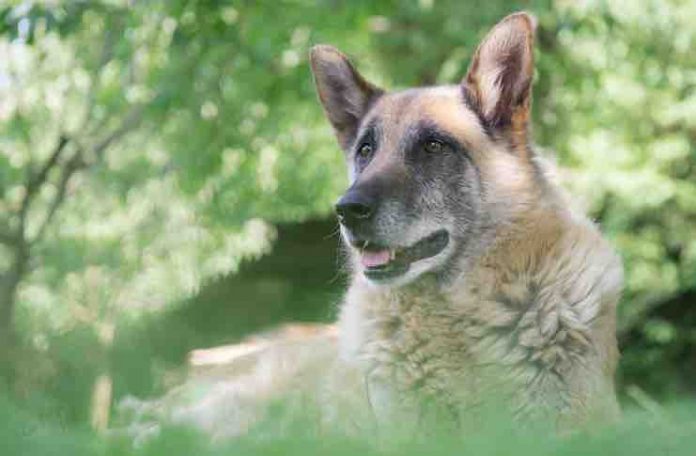
Searching for useful tips for taking care of your senior dog? You’ve reached the right place. One of the best things you ever did was get a dog, right? At the very beginning of your time with them, life can seem like a breeze as you head out on hikes and play fetch for hours each day. It’s no secret that puppies are hard work, and if you’re reading this article then you will know that since you’ve already gone through it. Senior dogs require just as much care and attention as a puppy, if not more. They have spent their days being there for you, now it’s time for you to be there for them and give them undivided attention. 

This article has completed some research to find out some of the best tips you can consider when taking care of a senior dog. It’s easier than you might think, but it’s great that you’ve come to terms with the fact you need to change how you approach life with your dog. Stick around to find out more!

5 Tips for Taking Care of Your Senior Dog:

1. Find a routine 

One of the first things you can do to take care of your senior dog is by helping them find some routine in their daily lives. As you will already be aware, you are your dog’s whole world – everything about their world revolves around you. This is why you need to ensure that you are making enough time to consider how your dog flows through each day. 

Depending on the health of your senior dog, you might find it more common nowadays for them to sleep in longer, spend less time outside, and generally, less time doing the things they used to love doing. However, keeping your dog in a daily routine is a good way to keep them feeling young and happy. All too often, dog owners simply let their dog’s routine follow their own. However, as a senior dog, this shouldn’t be the case as they need some more scheduled time doing what they love. 

A routine can also ensure you maintain your dog’s health as they will know what to expect at the same time each day. A cohesive routine is key for a healthy and happy senior dog, so certainly consider this tip going forward. 

2. Be mindful of their weight 

Secondly, as dogs age, they become a lot less mobile and prefer to lounge on the sofa or your lap. Whilst this is a necessity for their joints and bones, you must stay mindful of your dog’s weight and overall health. One way you can do this is to ensure your dog gets enough exercise each day. The ideal weight of your dog will wholly depend on the type of dog you have, so it is worthwhile checking in with your dog’s vet or thoroughly researching online. 

When it comes to exercising with a senior dog, many experts recommend that you should follow a professional training plan to keep your dog within its limits. You should make sure you are not pushing your dog to walk, run or play for longer than they are capable of. Moreover, your dog’s energy levels will decrease as they age, so this is something to expect. 

On that note, as your dog gets older, this does not mean they cannot live their golden years happy and healthy. It’s just up to you to help them along with it!

3. Keep them nourished 

On the topic of staying mindful of your dog’s weight, you can aid with this by giving them a healthy and nutritious diet. Senior dog food can be different from puppy food in some cases as they will require different and more nutrients. Your dog’s ability to fight infection and the issues that come with age will wholly depend on how nourished and strong it is to fight. 

Senior dog food is the perfect thing to help ensure this is the case for them as it boosts their immune system, helps with bowel movements, helps with their digestion and gives them a glossier coat. On top of this, senior dog food is proven to give dogs higher energy levels which will, in turn, allow them to exercise more and feel healthier. 

senior dog
Keep them nourished. Photo courtesy of Unsplash.com

The best type of dog food to serve your senior dog is that of raw dog food as it is full of the vital nutrients and proteins required to keep them on their toes. From our research, this point was the more commonly suggested one out of them all as health is largely down to diet when it comes to pet health. 

4. Help them socialize 

What better way to keep your dog happy than to help them socialize with other dogs? Senior dog life can be much easier if they have another furry friend at home, however, this is often not the case for many senior dogs. As they can’t be as playful and energetic as they used to be, aging can become a very lonely and frustrating process for senior dogs, but you can help!

We recommend that you help your dog get out to meet some other people and other dogs every so often. It doesn’t need to be for hours each day or week; it can be as simple as meeting up with a friend and their dog a couple of times per month. This will allow your dog to feel youthful and happy as they now have some time to spend with another furry friend. 

Experts recommend that you allow your dog to socialize with both older and younger dogs as this will make them feel engaged and happy. With that being said, you must consider the extent of your dog’s playfulness abilities. At all costs, you should try to avoid putting them out of their comfort zone. 

5. Keep them comfortable

A final tip to consider when taking care of your senior dog is by keeping them comfortable and showing them some attention. As your dog is getting older, you’ll notice a drop in energy levels and a surge in laziness. However, this laziness isn’t a bad thing, it is just their way of showing us that they’ve had enough for the day. This is when you can make yourself available for them, giving them enough attention and love as you did when they were a pup.

One way you can keep your dog happy and comfortable is by assessing their sleeping situation and ensuring it is comfortable enough for them. Additionally, you can purchase some new senior dog toys now and again for them and give them some delicious treats to let them know they are loved. Just make sure that the treats are suitable for your dog and their senior dog food diet. You should also invest in a suited dog shampoo and some high-end balm for the dog paws.

Final thoughts

Overall, it is hard to take care of a senior dog, but don’t let it throw you off. If you’ve made it this far into the article, then you are doing the right research and know what to expect. If you are taking one thing away from today’s article, just remember that your dog’s diet is key for a healthy and functioning immune system. This, coupled with some love and attention, will allow them to live out their golden years happy, comfortable, and safe.

Want to read more of our latest posts? Check out our post about Dog Anxiety, or our post about the psychological benefits of having cats.

All About Dog Clothing: Should You Buy Dog Tanks?

dog pants

Searching for a short guide on dog clothing? Asking yourself if to buy dog pants for your beloved one? You’ve reached the right place. 

Almost every child who grew up in a household without pets wished for a pet and nagged their parents to get one for them. Often adults are unwilling to bring a pet into their home, ignoring their children’s pleas, and argue that having a pet entails great responsibility (and cleaning!). They tell their children that pets require a lot of care, like daily walks, baths, food, and training. 

However, sooner or later, parents can’t say no to the puppy eyes their children make when begging for a pet, so they agree to buy one. That is when the fun begins. The pet brings instant happiness and relieves stress, so we end up wanting to do more for it. We feed it with good food, cuddle with it and even buy fancy clothes for our pets. 

A dog dressed in the latest trend is not an uncommon sight on the city streets. But, what exactly is fashion for dogs and how did dog clothing start? Since dogs are part of the family, many people want to spoil them. It makes us happy when they wear anything that looks fabulous. This, of course, is one of the reasons why owners buy clothing for their dogs. The second would be that they are warm and don’t catch a cold. 

The selection of dog clothes is enormous, ranging from tracksuits to haute couture clothing. Before we answer the question of do you need to get dog pants, let’s start with a little history.

Where did the idea for Dog Clothing come from? 

Nowadays, there is a wide selection of clothing for dogs, from ordinary scarfs to shiny dresses with rhinestones. It appears that many think the whole concept of dog clothing was invented just recently, with the trendsetter being Paris Hilton’s famous Chihuahua. However, that is not the case. 

Dog clothing bore great importance even in ancient times. Back then, beautiful silk clothes were put on dogs combined with heavy, powerful armor. This iron armor not only served as a protection for the dog but also gave it an intimidating look. 

Going further to 18th century England, trendy pet clothing in the modern sense started to appear. The reason behind the British dressing up their pets in fancy clothing had little to do with the cold weather, as many might believe. The reason was that in civilized society, it was deemed impolite to show off one’s four-legged companions “naked.” Some believe that the Queen herself was the trendsetter for dog fashion at that time.

The first clothes that appeared on the market weren’t as sleek and fancy as those now, but that was only the beginning of it all. 

A Japanese fashion designer named Yakio Kato made a significant contribution to pet fashion in the 1980s. The clothes he designed for his dog turned out to be extremely practical. When he appeared on the streets with his dog in that attractive clothing, people knew immediately that they want to dress their pets like that too. The dog’s nice clothing completely stole the spotlight. Due to people’s massive interest, Yakio Kato continued to design pet clothing, like shirts, dresses, capes, and other fun accessories. 

Does your dog need clothing? Do You really need to get Dog Pants?

Many people believe that clothing for pets is necessary if you live in a city since animals’ paws aren’t used to that type of climate. For instance, during summer, high temperatures cause the asphalt to heat to the point where it starts to melt, which can cause considerable harm if the animal’s paws aren’t protected. Therefore, dog clothes serve as both accessories and protection. As experience has shown, if a dog is taught to wear clothes from the time it is a puppy, it would be delighted to wear its trendy costumes.

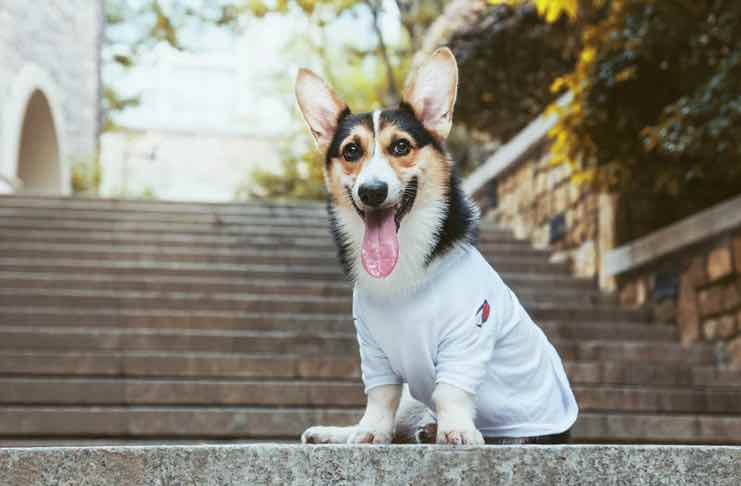
dog clothingThere are summer outfits available. Such dog-themed clothing is recommended for hairless dog breeds such as Mexican and Peruvian hairless dogs, as well as Chinese crested dogs. When taking walks during the summertime, their skin is vulnerable to sunburn. To prevent this, dogs should wear lightweight mesh clothing that protects their skin from chafing when wearing a harness or collar.

Many dog breeders dress their dogs in special overalls during walks in the woods to protect them from ticks and other insects. There are also special cooling vests for animals to wear during hotter periods of the day. Warming blankets are also used to shield dogs from hypothermia following excessive physical effort in the winter.

It’s essential to focus on the animal’s comfort when choosing dog clothing. The clothes you buy for them shouldn’t interfere with their movement and make them feel uncomfortable. Also, they shouldn’t be too big on them and hang. Some dogs aren’t comfortable in overalls but don’t oppose vests.  

Make sure to remove all small accessories attached to the clothes to make them look more appealing. Dogs might play with them and end up chewing them. Also, watch out for any additional elements that might chafe the skin and cause harm to your pet.

Train your dog to wear clothes

Pet owners today have access to a vast array of items, ranging from pet food to toys. Fashion evolves at a rapid pace. Daily and evening dresses for dogs and cats are designed to fit the owners’ preferences. However, with so much choice, finding high-quality and useful items for your four-legged friend can be challenging. It’s even more challenging to teach your dog to wear them.

To adjust a dog to clothing, try putting it on your dog at home and letting it sniff it. If the dog refuses to wear it, you should not insist on it. You should give your pet some time to adjust. You can tell if the dog is at ease by looking at its behavior. If it goes around the house in the clothes and doesn’t lay on the floor trying to get the new accessories off, then it means it has accepted and is comfortable when wearing them.

Sometimes experts caution against overusing dog clothes and overdressing your four-legged buddy. After all, the clothes were created to make your life with the dog more enjoyable and healthier, not for display of your stylistic abilities.

Dog Anxiety: 10 Signs & How To Treat It

signs of Dog Anxiety

Searching for the signs of Dog Anxiety and how to treat it? You’ve reached the right place. Like humans, dogs have emotional needs and can experience stress and anxiety that affect their health. Because of this, it’s important to be able to recognize the signs that your dog is in distress and try to find ways to help them, and this article will cover exactly how to do both of these things.

1. Aggression & Destruction

One of the first signs that your dog is anxious, and one that may be quite apparent, is that it’s destroying your property, such as tearing up your furniture or your lawn and behaving aggressively towards people or other animals.

2. Barking

According to PetMD, dogs can bark for a number of reasons, and most of the time, it shouldn’t be of any concern, but sometimes it can be a sign your dog is dealing with separation anxiety due to you not being home.

3. Escaping

Similar to destroying your belongings or property, dogs who are stressed out may try to run away, and this often consists of digging in the yard near fences.

4. Hiding

Another common behavior that indicates a dog is distressed is that they might hide or cower, and typically this will be in a corner or behind furniture.

5. Panting

Like barking, panting is an ordinary dog behavior in response to temperature or exercise, but if these aren’t factors, your dog might be panting due to stress. Sometimes pacing and restlessness might accompany it.

6. Weak Appetite

Just like people, dogs can have a hard time eating, and it’s common for them to refuse to accept food multiple times from their owners.

Dog Anxiety7. Shaking

A sign of dog anxiety that is one of the most visible ones is trembling and shivering, but it can also be an indicator of a more severe medical condition.

8. Biting & Scratching

Dogs can exhibit “self-harming” or compulsive behaviors because of anxiety, and while they can be used to cope with it, excessive chewing, biting, licking, and scratching can also lead to hair loss, skin irritation, and bleeding. 

9. Lack of Eye Contact

Dogs who are feeling stressed out may try to avoid making eye contact with people, including their owners.

10. Incontinence

While dogs can use their urine and feces as a way to mark territory, this is not always the reason for it, and many dogs may use the “restroom” inside the house when feeling depressed and anxious.

What To Do If Your Dog Is Showing These Signs

Dog anxiety is something that can be treated, but it’s important to try to rule out other causes of these symptoms first because many medical issues can cause some overlapping ones. Therefore, making an appointment with your veterinarian is advised if these symptoms are persistent.

If it’s determined that your dog is dealing with some anxiety around the house, behavioral training is an effective way to treat dog anxiety, and it will start by diagnosing why it’s happening in the first place. In general, separation and fear are the most common causes of dog anxiety that aren’t medically related or caused by aging.

By figuring out what might be the source of the problems, you can develop a treatment plan for your dog, just like you would when treating anxiety in people. In fact, not understanding your dog’s health and wellbeing can also be very stressful, and by talking to a counselor or therapist, you can learn how to cope with your dog’s distress. Visit MyTherapist to learn more about mental wellness and how to obtain it.

Conclusion

By recognizing these ten signs of dog anxiety, you can not only improve your dog’s health and wellbeing, but you can also save a lot of headache by addressing the issues that come with it, such as property destruction. However, your dog might require some professional assistance to overcome anxiety, just like humans do when trying to learn how to cope and live happier and healthier lives.

Cats and Mental Health: Exploring the Psychological Benefits of Having Cats

benefits of cats

Interested in knowing the Psychological benefits of having cats? You’ve reached the right place. Having an animal companion of any kind can have an immensely positive effect on your health and well-being, and cats are no exception. If you’re a proud owner of a feline or you’re looking to adopt one in the future, this article will share some of the benefits of cats and the effect they can have on your mental health so that you can appreciate them even more.

Cats Can Be Very Affectionate

While cats sometimes have a reputation for being distant and indifferent, it’s generally considered a myth. They can also demand love and attention, and there’s nothing like a cat hopping into your lap and purring away.

Once you build trust with your cat, it can be hard to separate from them. Because of this, according to Healthline, cats are excellent pets to have if you’re trying to cope with loneliness, the loss of a loved one, or you’re simply just having a stressful day. In fact, despite not being able to respond, many people talk to their pets because they cannot be judgmental, but they can sense when you’re upset.

Everyone wants unconditional love, and cats can certainly provide that to you and this social support can make you feel significantly happier for years to come. And the reduced stress and anxiety can also have positive effects on your heart in addition to your mind. These are definitely among the key Psychological benefits of having cats.

Cats Require Less Maintenance

When it comes to owning a pet, cats typically require less time and energy compared to dogs, and this can make life a lot less stressful. They can also be much quieter too.

You should still give your cat the attention it needs and deserves, but if you have a hectic schedule due to work, a cat can still be independent enough to take care of itself while you’re away, provided that you leave the right amount and type of food, water, a scratching pole and other toys, and a clean litter box for them.

Speaking of food, cats don’t require nearly as much of it as dogs, and you probably won’t need to feed them as frequently. As long as it knows how to access its bowls, and you fill them up at regular times, your cat will be just fine.

Can Cats Replace Therapy?

The Psychological Benefits of having cats are obvious. Pets, such as cats, can be extremely helpful when it comes to coping with negative feelings and emotions by uplifting our moods and keeping us company. However, they shouldn’t be the primary reason for your mental health.

Psychological Benefits of Having CatsInstead, better mental health should mainly come from your own coping skills, which you can learn by working with a counselor or therapist. That way, you won’t feel the need to be emotionally dependent, but still, be able to love and appreciate your cat and what he or she has to offer you.
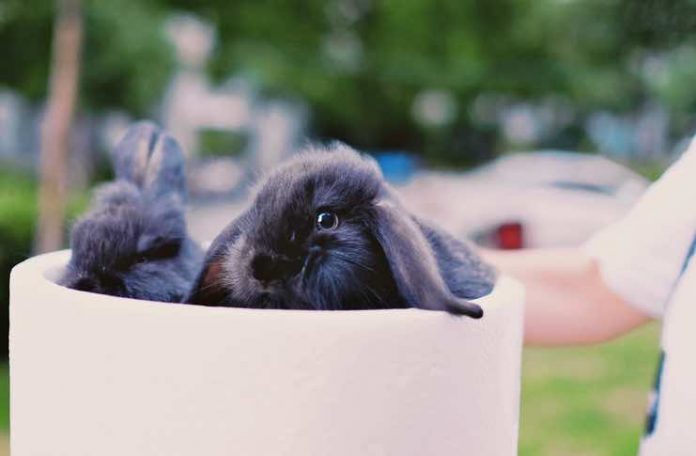

Although when times get tough and it might seem like your cat is holding you together, you should try to think of your cat as something that supplements your health, not the main solution.

Online counseling and therapy make it easy to get the help you need while also being able to spend time at home with your cat’s support, and by visiting MyTherapist you can get started today.

Conclusion

The psychological benefits of having cats are apparent. By having a cat, you give yourself the opportunity to have up to 20 years of friendship and an effective way to help cope with any distress you may be having. As long as you provide a healthy and safe environment for them, they can also do the same for you, and this unique type of support can be an important part of your journey to better mental health.

6 Tips On How to Take Care of A Pet Rabbit

How to Take Care of A Pet Rabbit

Searching for useful tips on how to take care of a Pet Rabbit? You’ve reached the right page. Rabbits are wonderful pets. In order to keep them healthy and happy, you need to know how to care for them properly. Here is a simple guide on what you need to do to help your furry friend grow and thrive!

Is A Rabbit The Right Pet For You?

Rabbits are ideal as long-term pets because they live for a fairly long time. They are able to bond tightly with their caretakers for life. They are relatively low maintenance and do not demand much. As for all pets, they need routine check-ups from a vet who has experience treating rabbits. They have quirky behavior traits that are unique to rabbits, so you should be willing to learn what they are. When you learn all about your bunny, you and your new friend will have a long and wonderful relationship.

How To Select A Healthy Rabbit?

When you are looking at rabbits, take some time to examine your potential pet for any indications of illness or other problems. Selecting a healthy pet instead of one that has health issues will save you from a lot of grief and frustration down the road. When you take time to look at a rabbit closely, you will also see the rabbit’s individual personality coming out. This will help you make a decision.

A great place to look for rabbits to adopt is your local rabbit rescue or shelter. These places have many rabbits who long to go to a forever home where they can get lots of love. Strongly consider this option if you want to adopt a rabbit.

Tips on How To Take Care of A Pet Rabbit:

1. Get The Right Rabbit Cage

Your pet rabbit will need its own space, whether it is a cage or a hutch. The habitat has to be big enough for your rabbit to move around in. It should be easy to clean to make your life easier over the long term because you will need to clean the cage regularly. You need to place a nice layer of litter in the cage and provide bedding material so it will be a comfortable home for your rabbit. The cage should allow you to take your rabbit out easily so you can take it out often for socializing and exercise time.

2. Learn How To Feed Your Rabbit

This is probably the most important of our tips on how to take care of a pet Rabbit if you want yours to last long. Your rabbit will need more than just rabbit pellets in its diet. You need to give your rabbit fresh leafy greens and vegetables, and lots of grass hay. This will provide it with a well-balanced diet with lots of fiber. Buy cheap rabbit food bulk. Providing your bunny with the right diet is absolutely crucial in keeping it in the best of health.

3. Get Toys For Your Rabbit

Rabbits are curious and active. They love to play. Providing your rabbit with different kinds of toys will keep it engaged and entertained. Playing will stimulate its mental health development. When you play with your rabbit, it will also reinforce your bond with your pet.

4. Train Your Rabbit For Good Behavior

Rabbits are intelligent and are trainable if you are patient and use the right approach. You can train your rabbit in using the litter and redirect its natural tendencies to chew and dig. Take time to learn about your rabbit’s behaviors, the sounds it makes, and its body language. These will give you clues as to what it needs from you. Rabbit-proof your home, and you will enjoy seeing your bunny roam around your house. 

Pet Rabbit
Train your Pet Rabbit for good behavior. Photo courtesy of Unsplash.com

5. Learn All About Rabbit Grooming

This is also one of the most key tips in learning how to take care of a pet rabbit. Proper grooming is part of the rabbit’s overall health. Regular brushing is a must. Bathing your rabbit should not be done, because they could actually die from it (!). Also, their nails need to be trimmed the correct way. Learn to do these things properly.

6. Take Care of Your Rabbit’s Health

Part of keeping your pet rabbit in good health includes taking it to see a vet for a regular check-up. Neutering or spaying is recommended. Add that to a healthy diet, routine exercise, and lots of playtimes, your rabbit will thrive and will be a happy companion to you for a very long time.

Want to read more of our latest posts? Check out our post about the benefits of Pets for people with Bipolar Disorder, our post about how do dogs help with depression, or our post about the ways to control your hyper dog.