

Home Blog Page 10

10 Benefits of Pets for People With Bipolar Disorder

Benefits of Pets for Bipolar Disorder

Thinking of getting a dog or cat for a person with Bipolar Disorder? The benefits of pets for this disorder are immense. We all know how cute and cuddly pets can be. These fluffy critters serve a larger purpose for many of us besides being an adorable fixture in the house. Pet ownership can be a thoroughly rewarding experience that improves our state of mind and maintains well-being. In particular, pets are an effective tool for helping people with bipolar disorder cope and thrive.

Every day, individuals with bipolar disorder must challenge themselves to move past personal obstacles this disease places in their path. They must live with and strive to overcome daily bouts of severe lows and manic highs. Even mild bipolar disorder can cause significant upheaval in an individual’s life. 

If you are unsure whether you have bipolar disorder, learn more about the condition at https://www.mind-diagnostics.org/blog/bipolar-disorder.

If you live with bipolar disorder and are looking for additional ways to thrive, consider pet ownership. Here are ten benefits of owning a pet that may convince you to take that step. 

10 Benefits of Pets for People with Bipolar Disorder:

1. Relaxation

Pets sleep a lot, especially pets that have reached adulthood. Imagine a fluffy dog or silky cat lounging on the sofa, relaxed and cuddly looking. Even the thought of a snuggly pet is relaxing. Snuggling with a pup or kitty cat on the couch calms the nerves and relaxes the body. 

2. Benefits of Exercise

If your pet is a dog and an energetic one at that, you’ll need to exercise them with daily walks or outside play like fetch. The benefit of getting your pet outdoors is getting yourself outside, too. Exercise releases happy vibes in the form of serotonin, and it gives you healthy doses of Vitamin D, essential to your body and mind well-being.  

3. Companionship

Living with bipolar disorder can leave you feeling isolated and lonely, especially during periods when the lows are intense and long-lasting. Pets help ease those feelings of isolation. They are there for you, providing companionship so you don’t feel alone in the world. 

4. Focus Outside Self 

Hyperfocus on oneself is particularly common for those living with mental illness, let alone those who do not struggle with mental well-being. Pets serve as a means of transferring the focus from yourself to another living being. Because they are in your life 24/7, you likely won’t shut them out. Instead, they will become an extension of you in a way and give you another way to focus your energy. 

benefits of pets5. Hallucinations 

Trained dogs can provide a unique service to those with bipolar disorder who also experience hallucinations. These special dogs are trained to detect and signal anything out of place. Owning a dog like this can assure you that what you are seeing or hearing is not real. 

6. Staying Connected with the World

This is one of the most important benefits of pets for people with bipolar disorder. The pull to withdraw from the world is strong for those living with bipolar disorder. Staying connected with loved ones, with family, with your community can seem nearly impossible depending on the condition’s intensity. 

Pets serve as a way for you to stay connected, especially dogs. When you’re out and about with your dog, you’ll likely interact with others that you otherwise wouldn’t have given a second glance. 

7. No Judgement

Pets don’t judge you. They don’t give you troubling looks. They don’t leave you because you’ve had a bad week or month or year. Pets are there for you, and you can love and care for them without fearing judgment. You can feel free to be yourself, knowing your pet will be there through the good and the bad. 

8. Unconditional Love 

Pets will love you their entire life. They rely on you for food, protection, care, and love. To them, you are the one they love and rely on. When things get rough, you can turn to your pet and feel their unconditional love. 

9. Purpose

Feeling a sense of purpose is one fundamental element of thriving through any mental illness. Though, it’s easy to lose sight of purpose when obstacles stand in the way. Pet ownership gives you a sense of purpose that you can’t avoid no matter how you’re feeling. You get up each day because your pet needs you to do so. 

10. Protection 

Living with bipolar disorder can be scary, especially if you’re going through it alone. Pets, particularly dogs, can help you feel protected — that there’s someone there to watch over you while you struggle. They can help you feel safe and secure when you feel farthest from it. 

Whether it’s a dog, cat, hamster, bird, or even fish, consider investing in pet ownership. The benefits of pets far outweigh the sacrifices. A well-chosen pet will serve as a best friend, cuddle buddy, dependent, battle partner, and protector all in one. And, if you aren’t sure you’re ready to take that step, consider fostering a dog or cat first to get a feel for if pet ownership is right for you.


How Do Dogs Help With Depression?

how do dogs help with depression

Searching for info on how do dogs help with depression? You’ve reached the right place. Depression is a deeply serious mental health issue that can be debilitating and immensely challenging. The American Psychological Association states that depression can cause people to lose energy, withdraw from others, and even wrestle with thoughts of suicide. 

There are a series of situations that can lead to depression, just as there are also many risk factors for this type of mental health issue. However, despite the darkness that depression can bring into people’s personal lives, mental health specialists, such as the ones working with Mind Diagnostics, can be of great help. 

Dogs, interestingly enough, can also be amazingly helpful for people who are dealing with depression. While many people have heard about the outstanding benefits of service dogs, fewer are aware of how dogs can help with depression. 

Keep reading to learn about the great ways that dogs can be of help to people who are facing depression. 

How Do Dogs Help With Depression:

1. They Help Reduce Negative Feelings

As it turns out, research has proven that interacting with dogs cuts back on feelings of anxiety, loneliness, and even depression itself. On average, dog owners also have a lower likelihood of heart disease; they furthermore reap the benefits of lower blood pressure levels than their counterparts who do not have dogs. 

Even if you don’t own a dog, simply playing with dogs also helps reduce negative emotions. When people play with dogs, levels of dopamine and oxytocin increase; these chemicals in turn encourage feelings of positivity and bonding with the dog. 

For people struggling with depression, the reduction of negative feelings is a vital benefit that dogs can bring. It also goes without saying that the more interactions a person struggling with depression has with dogs, the more benefits they are likely to reap from the contact. 

2. They Help You Get Your Body Moving

Exercise plays a vital role in mental health and in fighting depression. Because dogs require movement, playing with them will inevitably involve getting your body moving. This allows for physical exercise which triggers endorphins. 

The release of endorphins then causes pain relief, motivation, and even feelings of connection to others. All of this plays an absolutely vital role for someone working against depression. Getting your body moving with dogs can also prove to be great for company while also reducing feelings of loneliness. 

3. They Can Provide Emotional Support

Did you know that many people who have struggled with depression, personality disorders, etc., have found dogs to be a great emotional support system?

how dogs help with depression
Dogs Can Provide Emotional Support.

Unlike service dogs, emotional support dogs are not always trained to carry out particular tasks; however, emotional support dogs can be very therapeutic and have an anecdotal track record of helping many people who wrestled with depression and other mental and emotional health challenges. 

Many pet shops and stores, particularly online, are great for locating available emotional support dogs near you. 

4. They Create Opportunities to Socialize with Others

It is not uncommon for dog owners and dog sitters to take their pets out walking. In fact, this is very important for anyone who owns a dog or who is entrusted with caring for a dog. 

Going out to a park, even to a dog park, creates the opportunity for people who are dealing with depression to interact with other human beings. Even a smile, a quick hello, or other small interactions with other people can make such an immensely positive difference in the life of someone facing depression. 

Exposure to sunlight, fresh air, and nature is also very good for both the body and the mind. All of this plays a role in a person’s wellbeing, especially if they are dealing with depression. 

5. They Provide Unconditional Love

Dogs’ ability to provide unconditional love is another great way that they help with depression. Many people don’t know this, but dogs have the ability to intuitively tell when someone is feeling less than happy; in cases such as this, dogs have been known to offer comfort, curl up with humans, and provide much-needed company. 

Unconditional love can be an amazing anecdote against depression, especially when compounded with the other ways that dogs can help people who are struggling mentally and emotionally. 

6. They Can Get Your Mind Off Negative Things

There are many negative feelings, events from the past, and other factors that adversely contribute to depression. A Dog can be a great support animal in this regard because just their presence alone can get your mind off of negative things. 

Getting a break from the pressures of the world and simply spending time with dogs can be a relief for anyone. It is especially therapeutic for people who are struggling with depression. A temporary and healthy means of escape can also give the mind a break, allowing for a constructive outlet and something to look forward to in the future.

If you’re searching for additional “natural” ways of treating depression, CBD products, such as CBD oils, are gaining more and more popularity. Many are claiming that they can ease feelings of depression. A few animal studies suggest that it may have antidepressant properties.

Many people claim CBD eases feelings of depression. Some animal studies suggest that CBD might have antidepressant properties, but we’ll need more research before we know for sure.


I hope this article gave you some answers to the question of how do dogs help with depression. Dogs have the ability to not just help with depression, but they can also make life immensely happier, more enriching, and more fulfilling.

3 Simple Ways to Control Your Hyper Dog

hyperactive dog

Hands up if you have an overactive and hyper dog on your hands! Don’t be discouraged because you are not alone. It is a blessing and a curse because their antics are endearing and adorable, but it can be very hard to focus and train such pups – trust us, we know. However, we do have some tips that have worked for us over the years whenever we are faced with a particularly energetic dog and we’re here to share them with you today.

3 Tips To Control Your Hyper Dog:


1. Aromatherapy and Treats


In no way are we trying to reinforce this negative behavior with treats, but some have calming properties that can put a quick bandaid on the issue. Completely curbing hyperactive behavior will take consistent training, but we’re going to address some simple ways to nip it in the bud temporarily. 

The first option is with external sources such as a calming scent. There are diffusers available at your local pet store that have soothing smells such as lavender. Keeping the diffuser going in your house can contribute to calmer behavior. 

There are also calming dog treats that are a godsend when your dog is bouncing off the walls. These tasty treats are imbued with yummy and calming ingredients such as L-theanine and L-tryptophan that promote relaxation.

We do suggest consulting with your trusted bet before implementing the diffuser or feeding your dog foreign treats for the first time just to make sure our pooch can handle it healthwise.


2. Ignore It


Another simple method to control your hyper dog is to ignore his behavior. Sometimes when dealing with children parents also adopt this technique. When bad behavior isn’t awarded, kids sometimes lose interest or know defeat. This same concept applies to dogs as well. When your pooch understands that his hyper lunging and jumping does not get your attention or whatever it is he wants, he will stop.

hyper dogNot only do you ignore your dog by not responding, but also try to avoid giving him any eye contact. When your dog starts to exhibit a crazy burst of energy, he automatically disappears from existence until he calms down.


Some dogs may give up and sit or lie down at your feet, while others will lose interest and wander away. It’s only during this time when your dog is relaxing and chill do you show him any attention or affection.


3. Distract or Redirect the Energy


This is the age-old way recommended by breeders, vets, dog owners, and trainers alike. A tired dog is a well-behaved dog, so make sure you give your pooch his daily dose of exercise if you expect him to be calm. A dog with a ton of pent-up energy is going to be harder to control and have a tougher time focusing. In this case, he or she isn’t the one to blame.

Depending on the breed and age of your fur baby, take him out for a sufficient walk or dedicate a suitable amount of time to tucker him out. You will witness a significant change in his behavior and energy levels once he is faced with his triggers. What used to get him very excitable will no longer have an impact.

Another way to curb the excitement is through distraction just in case your dog is still responsive to his triggers or if you don’t have time to take him out. Just as much as your pooch needs physical exercise, their need for the mental aspect through stimulation with puzzles and games is also crucial.

Distracting your dog when a friend comes over with a stuffed Kong is a great way to keep him occupied. You can also tailor his exercise plan by giving him a job to do. When a dog has a task to finish, most of them will stay focused until it’s done. This characteristic is especially prominent in working breeds. 

Why is My Dog Hyper?

It’s important to understand why your dog is hyper in order to select the best method to “treat” the problem. Most overly energetic behavior stems from boredom and a lack of stimulation both physically and mentally. Get to know your dog to understand what he needs.

Other dogs suddenly get super amped up because of certain triggers. Some dogs are very territorial and get worked up when another dog walks by your property, while others are overly eager to say hi to your guests. Different triggers require various training methods to fix the problem, but knowing what gets your dog up all in arms will get you one step closer to a calmer and more well-behaved pup. 

If our tips above do not work on your dog, then it could be time to consider more formal training. Call in the big guns and look into your local professional dog trainers to help the issue.

Extra Tips

We have one very important tip to impart to our readers. A dog is a very reactive and responsive animal, which also contributes to his or her empathetic nature. Why are some dogs suitable for service and therapy? It’s because of their ability to be in tune with their handlers and owners.

Knowing this, one of the best ways to treat, stop or avoid hyper behavior altogether is to lead by example. Show your dog what you want through action. We have seen lots of dog parents try to eliminate excitable behavior by yelling at the dog repeatedly. Many dogs associate loud vocals with excitement and encouragement. Instead of understanding the “no”, the dogs tend to react to the high decibels in your voice.

Do not mirror your dog’s energetic behavior. Instead, meet his craziness with calm and control. If you want to tell him off, lower your voice to a deeper tone and be firm instead of high-pitched commands. 

Conclusion

The key to calming and controlling hyper dogs is through stimulation. There are plenty of toys available to help with mental stimulation and calming treats and aromatherapy are great examples of constants you can keep around the house to reinforce training. 

Remember never to mirror your dog’s high energy levels when you are trying to get him to calm down. Through consistency and patience, you can transform a hyper dog into a calm one. 

Planning to move with your dog? Check out our tips for designing dog friendly apartments

3 Tips For Designing Dog Friendly Apartments

Designing Dog Friendly Apartments

Looking for tips on designing dog friendly apartments? You reached the right place. Animals in the house are a constant source of happiness. And a constant source of trouble, if the interior is not organized appropriately. Still, it is nice to return home, where someone is waiting for you faithfully. Human life has always been associated with the direct presence of our furry babies at home. While cats are considered to be the keeper of the hearth, dogs perform a guard function. In the old days, raids of wild animals on livestock were frequent and only dogs could protect the house with their barking. In addition to guarding, the dogs participated in the hunt. Thousands of years ago people tamed dogs to hunt with them.

In the modern world, cats and dogs act as companions for humans. They live side by side with their owners and it is necessary to organize the space for their comfortable coexistence.

3 Key Tips for Designing Dog Friendly Apartments:


1. Start with the basics

The floor covering must be very durable and practical. Laminate, porcelain stoneware, and parquet flooring are best suited. Parquet must be of hardwood: oak, larch, elm, etc. For better protection, it is recommended to additionally oil the wood flooring. Thus, the parquet will last longer and withstand jumps, paws, and scratches. 

The walls in the apartment should be covered with paint or vandal-proof wallpaper. The fact is that pets in the absence of owners can be dirty and spoil the walls out of boredom. Cats sharpen their claws, dogs scratch their backs and poke their noses – all this, undoubtedly, leaves traces. 

2. Cover everything

When the overall design of the apartment is thought out, the question arises about the correct selection of furniture and upholstery. The presence of animals in the house guarantees damage to upholstered furniture. Cats can tear the floor with their claws, and dogs gnaw at the legs and corners. Thanks to the large selection of coatings, you can choose a material that is resistant to scratches. 

For example, flock is a fiber-free material. The claws do not bite or scratch its surface. In addition to upholstery, the furniture should also be scratch-resistant. Modern manufacturers produce doors, chairs, tables, cabinets with a coating that is resistant to impact and scratches. Such furniture retains its original appearance for a long time. The assortment of this kind of furniture is very wide at Homedesignstore.com, and you can find the perfect match for your interior design (and your four-legged friend).

It is important to consider where the puppy will be while you are not at home. Do not think that your furry baby is special – and it will not gnaw your furniture and shoes and will patiently admire your wallpaper. Therefore, you need to decide which part of the apartment you are ready to give up or not. There are several options here. You can give the animal a whole room or corridor, as some owners do, but not everyone can afford it. 

You can also build an enclosure in any room – this means that the floor should be covered with a piece of linoleum, and there should be a structure on it, such as a fence, which could be electrical, for example (more info on this topic can be found here). The fence should not fall when the dog jumps on it and should be high enough for a dog not to climb or jump over it. 

And the last option is a cage of the same size as the dog is. You need to train the dog to the cage from the first days because if an adult dog is put in a cage, it will suddenly howl and try to get out of it in every possible way. You can read more about cages on dog care websites, such as aspca.org.

3. Keep it nice

In addition to strength and durability, you want to add aesthetics to the interior. Keeping animals does not have to be a hindrance and detriment to the overall style of the house. Beds, bowls, and toys are easy to clean when needed. The feeder can be built into the closet and visually will not stand out. Any furry animal will leave hair. Modern devices will make cleaning easier. An excellent solution for apartments where pets live is a robot vacuum cleaner.

Dog Friendly ApartmentsDesigning dog friendly apartments can be a challenge. Each animal is unique. All dogs have their own special character and habits. By understanding your pet, you can easily arrange for it the best conditions in your home. The main thing that our four-legged friends need is love, attention, and care from their humans.



8 Ways to Improve Your Cat’s Diet

tips for cat's diet

Taking care of our furry friends is very important, but when it comes to providing a healthy diet, it can certainly be challenging to know their individual needs. Alongside this, spending money on what seems to be “premium food” can certainly get expensive. However, by learning more about what they really require, you can save money and keep your pet as healthy as possible. In this article, we are going to discuss eight different ways that can improve your cat’s diet. Want to learn more? Then keep on reading!

Cobras.org’s 8 Ways To Improve Your Cat’s Diet:

1. Avoid a kibble only diet

Kibble is one of the most popular cat food options, but it isn’t always the best everyday choice. Since cats are carnivores, eating dry food 24/7 doesn’t give them all the nutrients they need to stay healthy. However, with all that being said, it doesn’t mean that you can’t give your cat any at all. You just have to make sure that you are balancing everything out and choosing food of high-quality, like the options at this cat food delivery service.

2. Introduce bite-sized raw foods

While feeding your cats raw food full time can be expensive, giving them a treat here and there can be a great way to improve their diet. It’s less processed and great for their teeth. Just be careful when introducing new things. Changing your cat’s diet quickly can cause an upset stomach, so you want to make sure you don’t overdo it. Beef chunks, chicken gizzards, hearts, and venison are all a good place to start. 

3. Don’t cook homemade food unless you are confident

Cooking homemade food for your cat may seem like a healthier option, but you need to be careful. Most store-bought wet food is made with a variety of balanced vitamins and nutrients, which are formulated especially for animals. Without including all of the necessary items in your meal, you may not be meeting your cat’s needs, causing them to lose weight and become unwell. 

cat's diet
Don’t cook homemade food unless you are confident

4. Know what’s toxic

We are all guilty of giving our pets a treat at one time or another, but it’s important to know that certain things can be fatal to cats. Chocolate, caffeine, dairy products, grapes, and onions are just a few of the things that you should never give them. If you have suspected that they have eaten any of the above, consult your vet or a pet poison helpline immediately. The faster you get on top of the issue, the better.

5. Provide an adequate drinking source

While food is essential, you also shouldn’t forget to provide an adequate drinking source for your pets that is fresh and clean. Cats generally prefer moving water, so if you find that they aren’t drinking enough or waiting till you turn on the tap, a water fountain can be a great choice. It’s also wise to keep it away from their litter box, as they often like these areas to be separate.

6. Speak with your vet about specific needs

Some cats, especially as they age, might develop individual dietary requirements. By speaking with your vet and attending regular checkups, they can provide you with the right advice to ensure your cat stays as healthy as possible. They will also be able to identify any health problems and common illnesses that may be the cause of certain behavioral changes.

7. Feed them throughout the day

While many experts recommend that feeding once or twice a day is enough for an adult cat, some also explain the benefits of smaller, more frequent meals. This is because, in the wild, they must hunt several times a day to stay healthy. That being said, you don’t want to overdo it. Giving too much food can cause your cat to become overweight. Check out how to help a fat cat lose weight if you have concerns.

8. Encourage hunting and foraging

As mentioned above, cats in the wild hunt for their food, and encouraging it in the home can also be beneficial for their health. For example, puzzle feeders are a great choice, as they can slow down cats that like to stuff themselves too quickly at dinner time! It’s also an excellent way to get them exercising, especially if they are indoors most of the time.


And that’s it! By following the advice above, you can improve your cat’s diet and ensure that your furry friend remains healthy and happy. If you have any concerns about your pet’s eating habits, contact your vet and arrange for a checkup. They will be able to give you the best advice possible and get them back to living their best life!

6 Winter Pet Safety Tips You Should Know

Winter Pet Safety Tips

The cold wintry weather can be challenging for ourselves and our furry friends that rely on us to keep them safe and warm. If your pet spends time outdoors, knowing how to keep them warm and comfortable is even more critical. In this post, we’ll discuss a few key winter pet safety tips that you should know.

Many people believe that pets tolerate the cold better than we do since they have fur, but that is simply untrue.

Here are some ideas for the best ways to look after your pet in the wintertime.

6 Winter Pet Safety Tips You Should Know:

1. Consider a checkup

As pets need yearly checkups anyway, it makes sense to do this before the cold weather sets in. Some medical conditions can worsen with cold weather, such as arthritis. If your pet has mobility issues, help him or her out by making it easier to climb onto their favorite places with a dog ramp for bed or sofa.

2. For pets that spend a lot of time outdoors

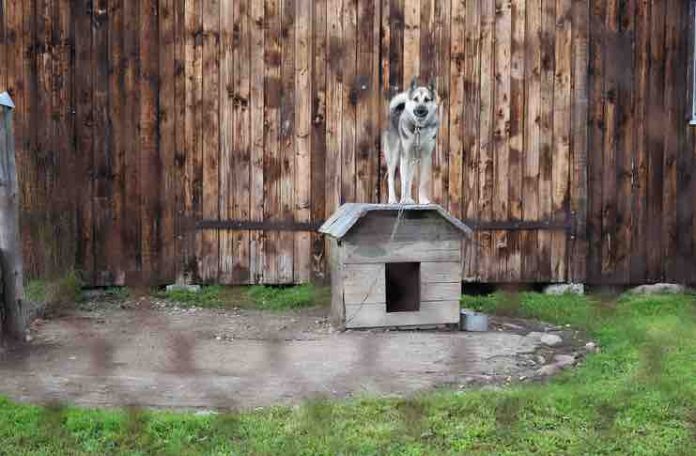
Bring your pets inside during the cold weather if you can. And if you can’t, move them to sheltered areas and make sure they have drinking water that isn’t frozen solid.

Their sheltered space needs to be large enough for them to lie down and sit while holding in their body heat. Make sure the space is free from drafts, turn it away from the wind, and cover the doorway with a heavy plastic that won’t retain water but will keep the worst of the weather out.

Raise the floor and cover it with something warm like straw or shavings of cedar, and make sure it is raised at least a few inches from the ground.

Also, make sure their food isn’t blocked by snow or ice.

3. Be wary of poisonous substances

Rock salt, which is often used to prevent slips on icy sidewalks and roads, is toxic for pets. Dogs and cats will lick the bottoms of their paws and can poison themselves with the salt that sticks to their pads. If you believe your pet has eaten rock salt, wipe his or her paws right away before he or she has a chance to lick them.

Keep antifreeze away from pets (and children), preferably in a locked cupboard. Antifreeze has a sweet taste that children and pets find attractive, but it is highly poisonous. Or choose a propylene glycol-based antifreeze that is non-toxic to pets and wildlife. It is slightly more expensive, but cheaper than an emergency trip to the vet!

4. Be mindful of your pet’s tolerance to cold

Some pets can tolerate cold better than others (just like people). Whether or not your pet can handle freezing weather depends on their breed, coat, overall health, body fat stores, and activity level.

Usually, in cold weather, you’ll need to make walks shorter to protect you both. If your pet is arthritic or elderly, they are at a greater risk of slipping on ice or snow or may just be more likely to fall or trip.

Pets with shorter legs usually don’t tolerate the cold so well since their bellies are closer to the snowy ground.

Short-haired pets have less protection and can feel the cold faster, as well as pets with health conditions that affect their ability to regulate their body temperature effectively. Conditions such as diabetes, hormonal imbalances, or heart or kidney disease affect your pet’s ability to keep warm in the cold or cool in the heat.

Pets that are very young or very old will also find it harder to regulate their body temperature, particularly in extreme temperatures.

Generally speaking, it is best to keep pets indoors in cold weather and never leave a pet unattended or for long periods in freezing weather.

Consult your vet to get a better idea of your pet’s tolerance levels so that you can both be comfortable outdoors.

5. Consider pet coats

You may want to get a dog coat or a sweater for those walks outside. Be sure to get more than one, as wet clothing can make your pet feel colder (just like us). If you want to get booties for your pet’s feet, make sure they are the right fit.

Pet Safety Tips
Consider a coat…

6. Know how to recognize problems

If your pet starts looking for warm places to get into, is whining, has slowed down or has stopped moving, seems weak, or is shivering, bring them inside fast as this could be hypothermia. Pets can also get frostbite, and symptoms don’t often appear until days after the damage has already been done.

Immediately contact your vet if you believe your pet has suffered from overexposure to the cold.

Want to read more of our pet-related posts? Check out our post about the signs when you need to take your pet to the vet, or our post about how to take care of exotic pets.

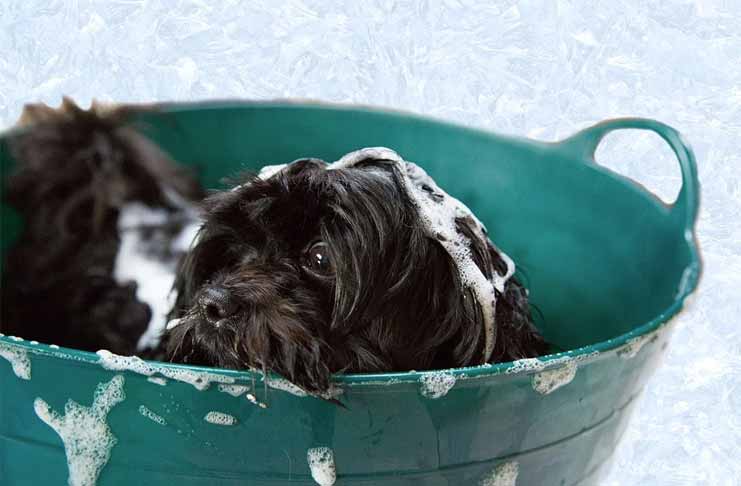
Choosing the Right Dog Shampoo for Itching

choosing a dog shampoo for itching

Itching is a common condition in dogs. Most dog owners, however, find it hard to select the right shampoo to help their dog’s skin. Due to the shampoos’ chemical ingredients, what is compatible with your dog’s skin may not be working for another dog. Therefore, do not pick any shampoo and try it on your dog without putting some factors into consideration. Do you want to choose the right shampoo for your dog? Consider the following issues.

5 Factors to Consider When Choosing a Dog Shampoo for Itching:

1. Know the Cause of Itching

While some shampoos are neutral to all dogs, it is of importance to know what is making your dog itch before you buy one. The ability to know this, however, requires research and knowledge. Look for an article on the best dog shampoo for itching according to M-Dog.org and read it. From here, you will be able to know the various causes of itching in dogs and some of the best brands in the market today. Choose one that is recommended for the cause of itching in your dog. 

2. Know Your Dog’s Skin Condition

The skin condition of your dog will determine the type of shampoo you use for itching. Itching may prompt you to go and randomly select any shampoo in the market. However, if you buy certain shampoos for a dog with dry skin, you end up harming the dog. Therefore, look for one that is compatible with the skin of your dog. For example, some dogs’ skin develops an allergy to scented shampoos.

shampoo for dogs3. Age of the Dog

Did you know there are shampoos you cannot use for a puppy? Well, if you have a puppy, you need to pay attention to the type of shampoo you use when they feel itchy. Look for shampoos designed for younger dogs. They usually have more gentle ingredients that are not likely to harm them. However, this does not mean there are no general shampoos that you can use on both puppies and older dogs. They are there but ensure you check the ingredients before you buy one.

4. Color of Your Dog

Do you like white or light-colored dogs? If yes, you are limited to the kind of shampoo you use, the same case for the dark-colored dogs. If you like your dog looking bright, the chances are that you love to maintain its color. Therefore, whenever your dog is experiencing itching, use shampoos with brighteners to maintain its color. For dark-colored dogs, you may not need these shampoos with brighteners since they may fade the beautiful color of your dog.

5. Convenience

Consider this scenario, you have an itchy puppy, but both of you have to travel for long hours. To make the puppy feel comfortable, you have to look for a shampoo to get rid of the itch. In such a case, look for waterless shampoos and wipes. They are convenient since you can use them anywhere. These shampoos are also suitable for water averse dogs or in situations where you prefer not to use water on your dog.

Want to read more of our dog posts? Check out our post about the signs that you need to take your dog to the Vet, or our post about electric fences for dogs.

The Best Gifts to Give To a Cat

best cat gifts

Looking for the best cat gifts you can find? Well, pets are considered members of the family by their owners, and just like people, they enjoy getting presents. This is especially true for cat owners.

Cats love everything about the gifts they get from their owners, even the box it is wrapped in. Once the glamour and curiosity of the box wear off, the present will be well-loved.

Each cat will have different tastes and interests. Below is a list of the top cat gifts in the market – that are guaranteed to entertain your cutest family member. 

cat gifts5 Cat Gifts You Should Consider:

1) A Cozy Cat Cave

Cats love sleeping a lot, so why not get an incredible cozy cat cave where they can curl up and dream about catching pigeons? If someone is looking for one of the best gifts for cats, the cozy cat cave does not disappoint. It is made from wool and is available in numerous fun colors. It is soft, warm, and dark inside so that the cat will love it. Apart from all these, it fits and looks super cute in the living room.

2) A Scratching Post That Will Save Your Couch

Cats scratch almost everything in sight, especially the couch; the cat scratching post is the best replacement to save the couch. It has a sturdy base and is tall enough that most cats should stretch and scratch to their heart’s content.

Cats have a natural impulse to scratch. This actually helps them get rid of old solids from the claws. Also, they get to mark their zone with scent glands located in their paws. If you think your cat has fleas – read this post.

3) Nutritious Treats

The treats given to the fur babies should be nutritious so as to not disrupt their digestive system. They have low calorie, rich in meat, natural flavor, and a delicious aroma that entices the cats.

Some of these treats serve more than just a treat. They can do the cat some good, from improving health to helping to reduce hairballs.

4) A Window Seat or Throne

Cats enjoy sitting in high places and looking around at the goings-on below them. The raised window seat or throne is the best present for this purpose. Cats are also big fans of windows because they can see the pigeons a paw swipe away.

The throne can be propped up next to the window to give the cat the finest seat in the house. The cat can observe nature while lying in the luxury lap.

5) A Better Litter Box

Cats are clean creatures that take care of themselves for the most part. Cat owners can reward their kitties with a better-modernized self-cleaning litter box that separates waste from clean litter. The litter box keeps the cats’ bathroom spotless, eliminating the need to scrub frequently.

6) A Brush So Your Fancy Feline Looks Great

Some cats love to be brushed. Cats’ pin brushes help remove lumps and twists in fur to avoid matting. The pins easily go penetrate the long fur to cautiously comb and tidy up the coat. It is a good everyday brush to use for all coats, mainly medium and long hair.

How Does an Electric Dog Fence Work?

electric fence for a dog

Dogs are fun, but they can also inconvenience you when you want to attend to some important matters. You do not want to leave your furry friend locked in a kennel or on a leash the whole day. They need time to play too so that they can release the extra energy and make them friendly. However, what is the most convenient way to keep a pup free to roam within your compound? An electric fence is the best, and in this article, you will learn more about how it works. 

What Is An Electric Dog Fence?

The electric fence does not mean a real wall with electricity passing through it. It is a system that works using radio frequencies that pass between a dog’s collar and the boundary wire. The outlet that acts as the control box is the only piece that has electricity in it. 

You will plug the outlet in your house that will help monitor the fence. There are varieties of fences to choose from. In this list, you will get reviews on them. You will learn each fence’s pros and cons, allowing you to make an informed choice. 

A free dog is a happy one, and that means you need to give it time to play. An electric dog fence gives it the freedom to roam around your compound, at the same time restricting it from going to the neighbors’ yards or escaping. 

Electric Dog FenceHow Does An Electric Fence Work?

Electric fences differ in their make, with some requiring you to bury wires in the ground while others have a wireless system. With the wire one, you bury it in the ground in a yard where you do not want your dog to go past it. The fence comes with a transmitter that gets power from a wall outlet, and it sends a radio signal to the underground wire. 

There is also a battery-powered receiver that your pet has to wear around its neck like a collar. The work of the receiver is to detect radio signals traveling in the underground wire. Therefore, when your pet approaches the electric dog fence, it will hear a sound. If it attempts to go past the wall after hearing the warning sound, an electric stimulation will send it to a halt. 

The electric shock is not harmful to the animal and only acts as a distractor to prevent the dog from going past the set boundary. The impulse is a tingly feeling on the dog’s skin that aims at stopping its movement. The wireless fence works the same way. The only difference is that there is no burying of wires underneath the ground. 

How to Get a Dog Accustomed To the Set Boundaries

The electric fence will not be effective without training. Behavioral training will have the dog knowing its boundaries. When you install the electric fence, you can use flags or any other indicators to mark the boundary. You can then start training the dog. As they approach the wall and hear the warning sound, they will not go further. They will experience some static stimulation. 

With time they will relate the flags with the feeling and the sound they hear when they approach the area. You can then reward the pet each time it stops when it hears the sound, and it will know that it is not supposed to cross that area. You can later remove the indicators you used to mark with, as dogs will have learned the boundary limits already set. 

Pros of Electric Fences for Your Dog

    • You do not have to incur huge costs when buying and installing electric fences as the case is with traditional ones.
    • There is freedom for the dog to roam around the compound while at the same time keeping it off from escaping or disturbing neighbors. Even with the gate open, the dogs cannot go out.
    • Your pets will not escape by jumping over the fence or digging underneath.
    • You do not require having a permit to build the fence since they do not need a regulation to install them.
    • You can move the electric fence and even adjust it, unlike the traditional ones.
    • It helps keep the dog within the compound without locking them in or putting them on a leash.

Cons of Electric Fences for Your Dog

    • Behavioral training is necessary to ensure the dogs learn the boundaries.
    • It only works with your pets and has no control over other outside animals from entering the compound.
    • Since the fence is not a real barrier, a determined dog can still find its way through it.

Enjoyed this post? Say it in the comments!

Looking for more pet tips? Read our post about the signs that you need to take your dog to a veterinarian, these myths about dog and cat food. or these tips for designing dog friendly apartments.

Tips on Setting Up a New Aquarium

New Aquarium

Setting up an aquarium is exciting because fish are a great addition to the household. There is, however, much research that is required to set up a healthy environment for your fish. You need to find out the best possible information and styles of aquariums to avoid waking up to unhealthy or dead fish. In this post, we’ll discuss a few important things you should know when setting up a new aquarium. 

10 Tips on Setting up a New Aquarium:


1. Research Type of Fish


Before you start your journey to setting up an aquarium, you need to research the type of fish you would like to add into your aquarium. The type of fish determines the care needed, feeding schemes, and whether your tank is the right size for the type of fish. 

Some fish grow rapidly and you may find that, as they grow, your fish tank won’t be able to accommodate their size which compromises their health. A fish tank that is too small for fish can stunt growth or cause physical deformities, which is why research is crucial regarding aquarium type and size. 


2. Assess Tank Quality


If you already have a fish tank that you wish to prepare, you need to access whether it is of quality. You must clean it thoroughly using clean cloth and water. 

Avoid using detergents as the chemicals can contaminate the freshwater that you will add at a later stage. Once you have cleaned the tank, you can fill it up with water to test for any leakages or potential cracks.

If you are still thinking to purchase a tank, you should base your decision on the type of fish that you want to add in the tank. 


3. Add Substrate 


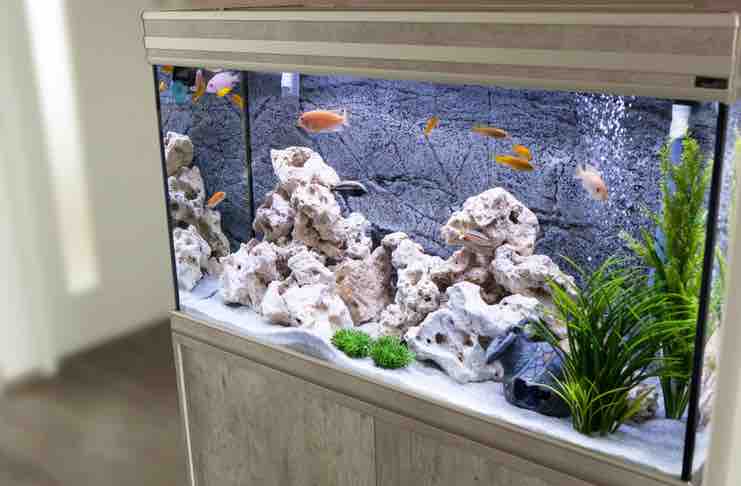
Once you have tested the quality of your tank or purchased a new one, you can continue to add aquarium substrate. Aquarium substrate is the material that you place at the bottom of the tank. 

The purpose of the substrate is to decorate your tank, facilitate a natural environment for your fish so that they feel as if they are in familiar territory, and to anchor any plants that you may include in your aquarium. The type of substrate you can add include pebbles, gravel, and sand.


4. Position Your Tank 


You need to find a spot in the house that facilitates for the fish to thrive. You must place your tank in a place that doesn’t have much traffic in the house, and close to an electric socket as it will have to be plugged in. The tank also shouldn’t be positioned in a place that receives direct sun as this can overheat the water and compromise the health of the fish.


5. Add Fresh Water 


Fresh water is recommended for a quality habitat for fish. Chemicals in water can compromise the habitat and may kill fish. Avoid using water purifying additives such as pills. Your fish will thrive best in freshwater. 

Also, a note: depending on the kind of fish you have, they may need a saltwater or a freshwater habitat. Regardless of the salinity, you should be using fresh water untainted by chemicals to fill the tank. 


Setting Up a New Aquarium6. Place Gadgets


If you are going to use any gadgets such as the aquarium heater, thermometer, and water lights to facilitate for night and day schedules, you can get these gadgets ready for use. An aquarium heater is ideal especially if you live in cold temperatures. 

A temperature of 76–80º F is ideal for fish and temperatures below that may lead to death. Your thermometer can indicate the temperatures, meaning you can then adjust your heater or add cooler water to bring down the temperate accordingly.


7. Cycle Your Water


The day that you set up your aquarium shouldn’t be the same day that you add in fish. You need to run your tank for at least a day or two, which is known as water cycling. Cycling water allows the bacteria in the substrate to filter and break down the waste from the fish. Without this bacterium, fish will continue to breathe and feed on its waste, which can kill these off. 


8. Add Fish 


Once you have cycled the water, you are then ready to add your fish. You should avoid adding several fish at a time as they may become overwhelmed and shocked by the new environment. 

Adding one or two fish at a time over a period will encourage the fish to acclimatize. You may notice that during the first few days, the fish may hide. This is normal as they are trying to adjust to the new environment. 

You can place plants as a part of your substrates as they may use these as shelters to hide behind. After some time, the fish will become visibly active. 


9. Regularly Clean Water 


Tending to your aquarium goes beyond preparing it for the fish. Once your fish are in the tank, you need to regularly clean the water to maintain a healthy environment. 

Keep in mind that the fish food and waste share the same space, so cleaning the water is important. When you decide to clean the water, you need to place the fish in a bowl or fish bag. You then drain out the water and remove the substrate from the tank. 

You will have to clean the tank as well as the substrate and remove any visible particles that aren’t supposed to be a part of it. Once you have cleaned the tank, you can place the substrate back in, add fresh water, and the fish back into the tank.


10. Regularly Monitor


The behavior of your fish will communicate whether the habitat is functioning well or not. If you notice that your fish continue to hide away, or aren’t active, or are dying at certain intervals, you need to assess the state of your aquarium. 

It could be that the water has been compromised, it’s too cold or hot, or the positioning of the tank is not the best. You must place the fish back in a bowl or fish bag and figure out whether you can identify the problem. 

Conclusion

Setting up a fish tank requires careful attention to details and preparation for when you will eventually add the fish. You can begin by researching the type of fish you wish to add as this may determine the size of your tank, assess the quality of your tank, add substrate, position your tank, place aquarium gadgets, add fresh water, cycle the water, add fish and then regularly clean the tank as well as monitor the fish.