
Home Blog Page 11

3 Good Reasons to Have a Small Garden Pond In Your Home

garden pond

It is not a secret that humans benefit from nature, from the food that we eat down to the clothes that we wear and even stress relief. It’s also for this reason that it’s a good idea to have a garden in our homes. Aside from the usual plants and decorative boulders, your home garden can also have a pond in its midst. In this article, we lay out some of the most important benefits a small garden pond can give to you and your garden. 

1. Water reflects light

We all know that water is reflective. Aside from the additional illumination, such reflections also distribute sunlight’s photosynthesizing glory to your garden. An added bonus is the day-round glistening of the water surface, which adds a sophisticated touch to your home garden. 

Having said that, it is really important to choose the right spot for the pond. If you want to benefit from its sunlight reflecting properties, it should be big enough to spread enough illumination and exposed enough to catch enough rays during the day. This becomes a bit of a challenge if you are surrounded by full-grown trees or high-rise structures. Because of this, it is wise if you at least consult with a professional landscape architect before you start working on the pond or your garden as a whole.  

small garden pond
Water reflects light.

2. A Small Garden Pond allows you to indulge in Fishkeeping

There are many types of animal lovers out there. Many love dogs or cats, and then there are those who love fish. If you are among those who love these swimming creatures, then a pond is a must-have for your garden. A small garden pond will give you more freedom to indulge in fishkeeping, given the size and the near-natural conditions of the pond, as opposed to the heavily simulated environment of aquariums. 

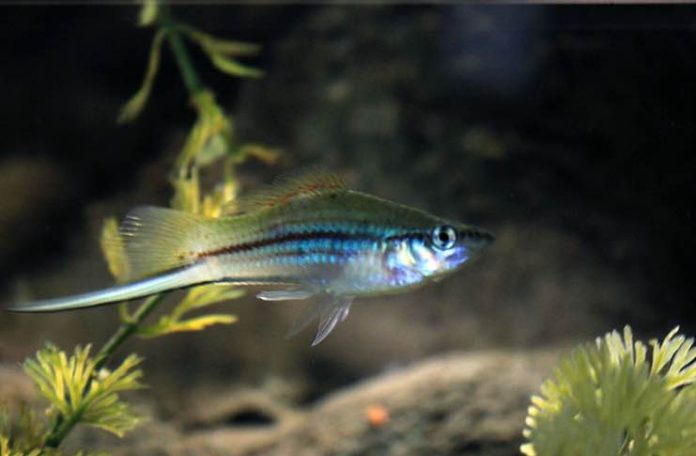
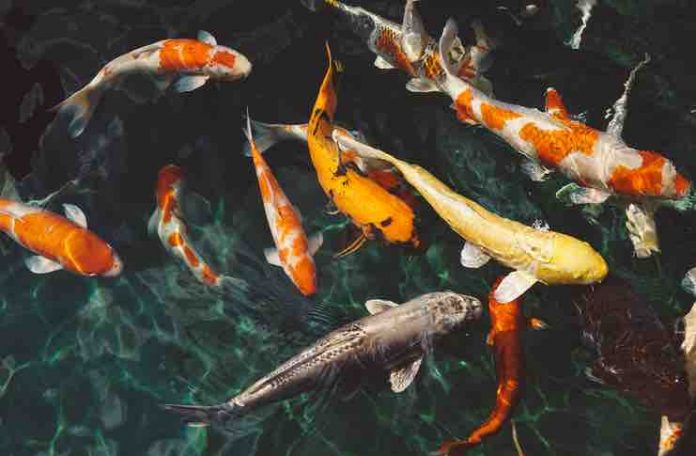
Of course, you still have to know whether or not the different kinds of fish and animals that you raise are compatible with each other. Suppose you want to raise koi that you can get from very popular fish sites like Koi Market. They are most likely raised in captivity, so you have to be careful with the other animals that you put in the pond together with them. Other fish and water creatures that can live with them in a small garden pond are goldfish, catfish, the Japanese trapdoor snail, and the equally attractive rainbow fish.

3. Water in ponds help regulate temperature

Compared to air, water is denser and takes more time to heat up or cool down. This is the reason water remains cool even when the surrounding area is already heating up. As such, having a pond is helpful when you experience extremely cold nights at your home. The heat that it stores in the day can serve as a source of warmth for you and your plants during the cold nights. 


More than just enhancing the look of a particular place, a pond also has some important environmental contributions. We’ve seen in the above discussions that having one well-situated pond in your garden can make the space more conducive not only for your plants but also for you. 
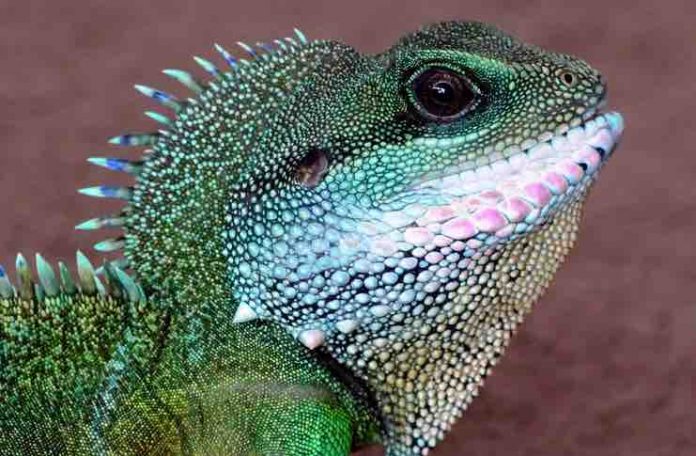
What to Do When Your Exotic Pet is Sick

exotic pet is sick

Keeping an exotic pet is an exciting and rewarding experience, one that offers something more than a regular household pet, like a cat or dog. However, keeping an exotic pet can mean complicated upkeep, especially when it comes to dealing with the unfortunate situation of your exotic pet becoming ill. 

What makes it harder, too, is that with a cat or dog, you can usually tell easily when something is wrong, such as based on the way they move or the noises they make, but this becomes infinitely trickier if you’re dealing with an exotic pet like a snake or other reptile if they aren’t vocal or active. Exotic pets have a habit of not making it easily known when they are suffering. 

So how do you know if your exotic pet is sick, and what should you do about it?

Signs Your Exotic Pet May Be Unwell 

  • Your pet may have changed their eating pattern or stopped eating altogether
  • Signs of lethargy 
  • Acting different or strangely 
  • Hiding or burying themselves away, especially within cages or tanks 
  • Moving a lot less
  • Physical changes, such as problems you can clearly see, unusual shedding (fur or skin), or other physical changes such as losing weight

What You Should Do When Your Exotic Pet is Sick

Speak To or Visit The Vet 

First and foremost, if you think that something is seriously wrong and you are concerned, then speaking to a veterinarian is naturally the right decision. If the situation has happened out of nowhere and you find yourself with a vet emergency, then rushing your pet to the vet is encouraged. It’s a good idea to have backup funds saved for such an emergency when keeping a pet, as well as having the option of taking out quick loans for those vet emergencies which you simply cannot plan for. 

Do Your Research 

It’s important to understand exactly what you’re looking for in terms of illness in your specific pet so that you can best deal with it. Illness will vary from species to species, and there’s no one answer for all exotic pets. This is why it is important to do some research before selecting your pet on sites such as The Spruce Pets. It will make it easier to notice when something is wrong and can be a big help for the specific animal you are dealing with. Research can be carried out at any time, but if you do suspect that your animal isn’t acting like themselves, trust your gut and then research the matter. It could provide a few pointers as to what you should be keeping an eye out for. 

pet is sick
Your pet may have changed their eating pattern or stopped eating altogether.

Monitor the Situation

Do you think your exotic pet is sick? If you suspect something is wrong, it may take a period of time to better understand the situation and see if it really is a problem. If your pet is acting normally and eating normally, but you have noticed something different perhaps a change in their physical appearance, for example which causes concern, then monitor the situation over the course of the coming days and see if it worsens. You can then contact your vet if you believe there to be a more serious problem. 

Understanding how best to care for your specific pet, such as understanding reptile care, is the best way to prepare yourself for any illness.

What Kind of Snakes Do You Want in Your Garden?

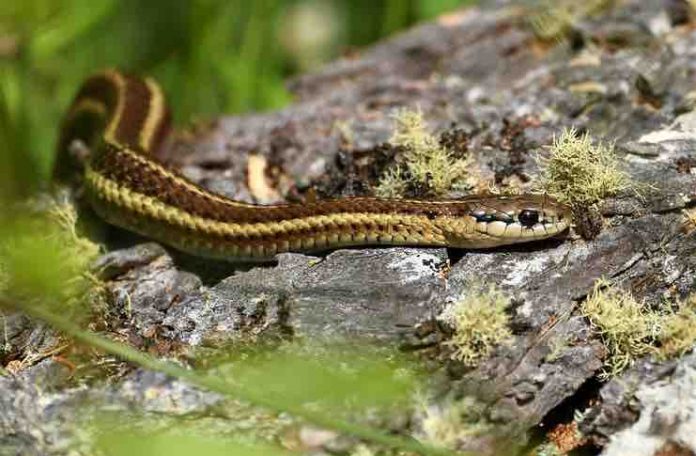
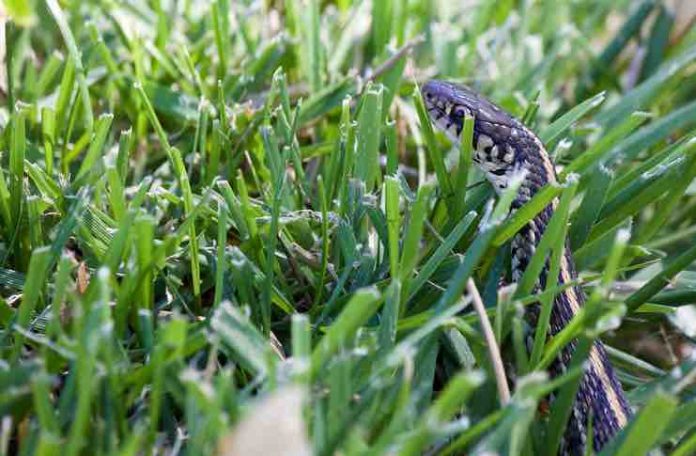
Garter snake in your garden
Garter snake

Many people have a fear of snakes because they think snakes are poisonous, but only a tiny fraction of these reptiles pose a threat. Snakes can actually be very helpful, with many gardeners using them to protect their plants, so don’t be concerned if you have snakes on your property. However, sometimes snakes can be a nuisance and homeowners would rather remove them from their property. For more information on snake removal click here and read on if you’re interested in gardening since these snakes could make your life much easier.

Here are some Snakes that are Welcome in Your Garden:

Common Garter Snake

There’s a reason the common garter snake is often referred to as a garden snake, and it’s because they love moving into people’s gardens. These reptiles can be found throughout much of North America, and they’re particularly fond of wooded or grassy areas, hence why they like your garden.

What makes them a great garden helper is their diet. Like most snakes, the common garter snake has a varied diet. That said, it tends to prefer animals smaller than itself. This ends up being mice, slugs, grasshoppers, and plenty of other insects. All of which can pose a threat to your garden’s wellbeing.

These snakes are harmless to keep but can excrete a foul-smelling musk when they’re scared. Identifying these reptiles can also be quite the challenge, as common garter snakes have a variety of colors.

Gopher Snake

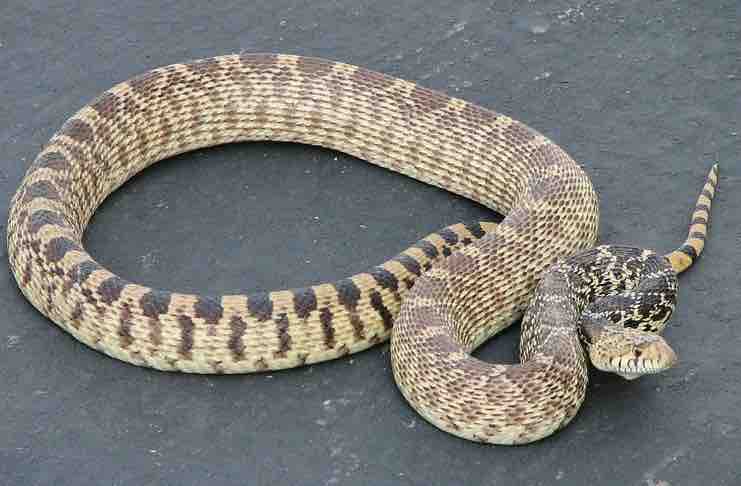
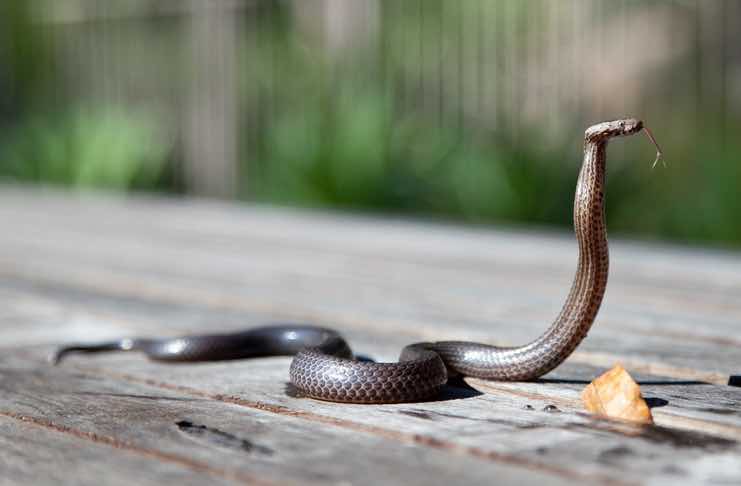
Gopher snakes can be a scary sight to behold. They can grow up to five feet long, and they have a brownish body covered with dark splotches, resembling a deadly rattlesnake. Yet that fear is exactly what these harmless reptiles are hoping for, as they mimic their dangerous cousins to scare away any predators.

Gopher snake
Gopher snakes are good for your garden.

In fact, gopher snakes can be a blessing in disguise. Their name comes from the fact that they love hunting gophers and other rodents. Keeping them in your garden will no doubt keep rats, mice, and other annoying rodents away from your home.

Kingsnake

Kingsnakes can do wonders to brighten up your garden. These animals tend to have vibrant, contrasting colors on their skin, leading many to mistake them for similarly colored, venomous snakes.

Yet this group of snakes isn’t venomous at all. In fact, they’re constrictors. They kill their prey by wrapping themselves around it and squeezing the victim’s body. This cuts off the brain’s supply of blood, killing the animal in mere moments.

Kingsnakes prey on other snake species, making them perfect for your garden. They have a natural immunity to other snakes’ venom, allowing the kingsnake to hunt, kill, and eat their relatives. That means that a kingsnake in your garden will keep out any unwanted snakes, leaving you and your family safe from other reptiles. That said, kingsnakes will also eat any other snake you bring into your garden, so you’ll have to carefully decide the type of snake you want.

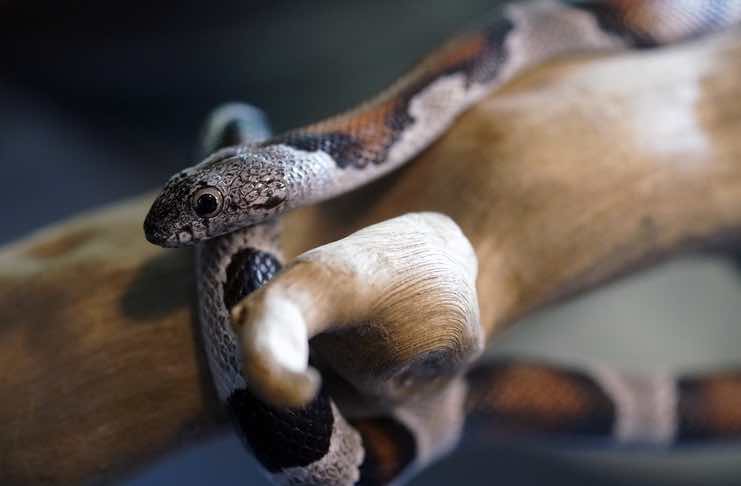
Snakes in Your Garden
Kingsnakes prey on other snake species, making them perfect for your garden.

Corn Snake

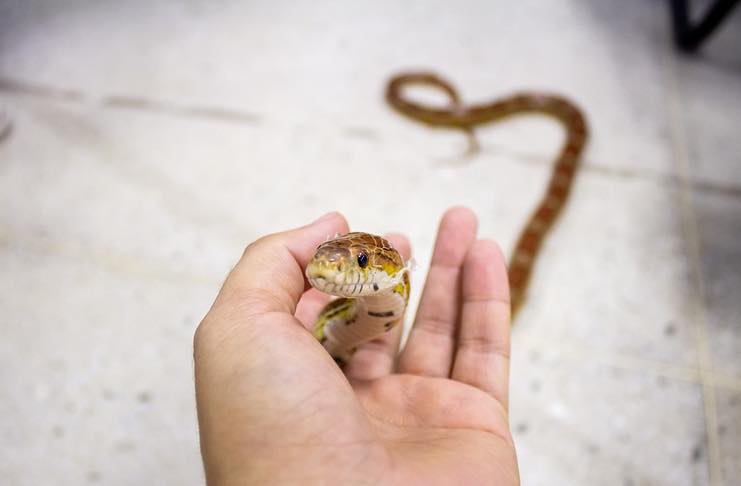
Corn snakes are another great animal to have in your garden. These reptiles are a species of rat snake. As a result, their diet is made up of mice, rats, and other small rodents. They’re called corn snakes because of their presence in farms. They stay near grain stores to catch any rodents trying to steal corn. It’s their ability to repel and eat rodents that make them perfect for any garden.

You can identify these snakes by their yellowish-orange color, which often gets them mistaken for the deadly copper head. Yet unlike the copper head, corn snakes are completely harmless and lack venom.

Overview

So you see? These snakes aren’t so bad after all. It might even be a good idea to get one of the helpful reptiles mentioned above, as they’ll protect your home and garden from insects, rodents, and other snakes!

If you’re looking for more tips on keeping snakes out of your garden – read this post.

Types of Freshwater Fish for a Completely Unique Aquarium

types of freshwater fish

Goldfish are great pets, but do they make for the most interesting aquariums? Not really.

Goldfish are the most common and popular type of pet fish out there. Are you hoping to create an aquarium that stuns? If so, then you’ll have to think outside of the traditional fishbowl.

Not sure where to start or what types of freshwater fish to look for? We’ve got your back! Read on to learn about some unique creatures that are sure to impress your friends and family.

5 Types of Freshwater Fish for Your Aquarium

1. Indian Dwarf Puffer Fish

Have you always dreamed of having a pufferfish pet? If so, then you likely already know that most pufferfish species are of the saltwater variety.

Saltwater tanks are tricky to care for. Even if you feed your aquarium using the ultimate ecopack, it still needs a lot of care.

Looking for good news? The Indian Dwarf Pufferfish is a freshwater species! They’re adorable and easy to take care of. It’s the perfect fish for beginners.

2. Zebra Plecos

Plecos are adorable algae eaters, but we bet you didn’t know they come in zebra stripe patterns! These fish are native to the Amazon river. They’re also super easy to take care of even if you’re a beginner.

3. Discus

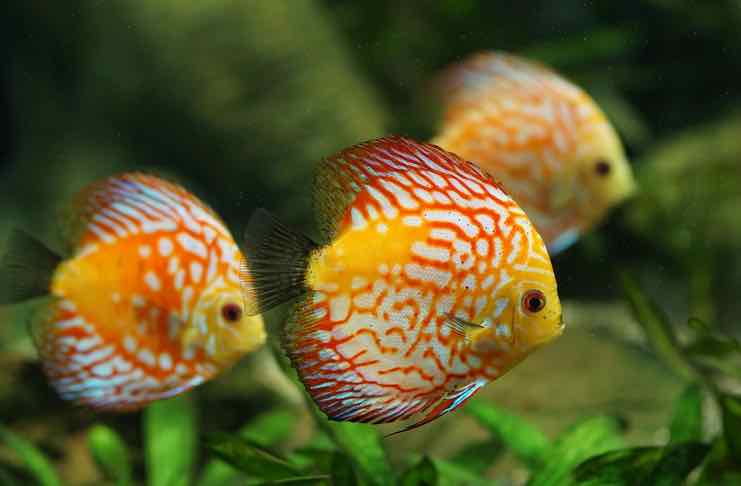
Are you looking for a type of fish that’s colorful and bright? If so, then a Discus fish might be right for your tank.

freshwater fish for Aquarium
Discus fish

Discus fish come in a huge variety of colors, so yours will likely have a special design. They also have yellowish-red eyes, which make them even more interesting.

Discus fish are thin and pretty fragile. They also need a big tank (at least 75 gallons). So, if you’re in the market for a Discus, make sure you have the equipment to care for your new pet first.

4. Elephantnose Fish

You’ve heard of narwhals, but what about the elephantnose fish?

These adorable creatures resemble miniature dolphins. They have a long snout, and they’re one of the most exotic types of freshwater fish you can find.

They aren’t recommended for beginners, though, because they’ll need a lot of care.

5. Sabertooth Barracuda

Are you a piranha fan? If so, then you’ll adore the Sabertooth Barracuda. True to its name, you can identify these fish by their visible teeth.

They have two very large fangs, and they’re often nicknamed vampire tetras. This is not a fish for beginners, though. They actually prey on vicious piranhas in the wild!

Find The Right Freshwater Fish For Your Aquarium

Any of the above types of freshwater fish would be a great addition to your tank. Before you rush out to your local pet store, you need to do your research, though. Some fish do not get along, and others have specific needs.

Are you looking for more resources about exotic and unique pets? Our site’s dedicated to helping animal lovers keep their pets happy and healthy. Keep browsing through our blog to see more of our latest content.

Thinking of Buying an Exotic Pet? Read This First

Buying an Exotic Pet

Exotic pets are, undoubtedly, one of life’s greatest joys. Dogs and cats are wonderful, but how cool is it to own a pet snake, chinchilla, or chicken? 

However, caring for these exotic pets can be difficult because of their varying needs. Everyone knows that you need to take dogs for walks and give cats litter boxes, but not enough about turtles or goats. 

Here are some things you need to consider before buying an exotic pet and bringing it back home. 

The Types of Exotic Pets 

The term “exotic” doesn’t mean that the animal comes from Madagascar or that it is extremely rare. Exotic pets are animals that are unusual as pets. Most people do not keep the following as household pets:

  • Turtles
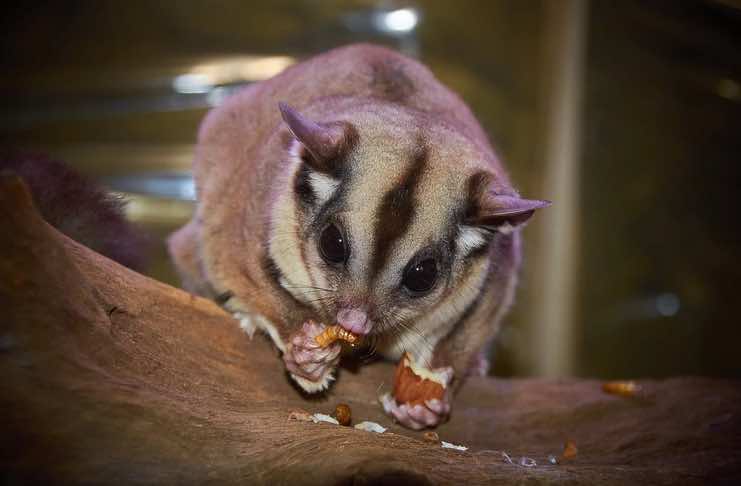
  • Sugar gliders
  • Snakes
  • Frogs
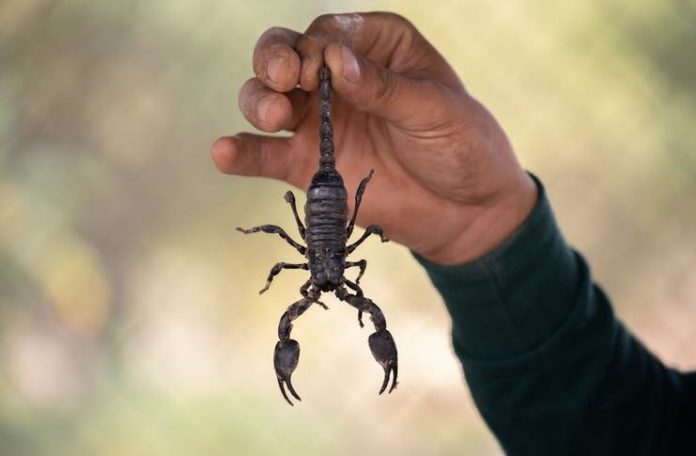
  • Scorpions
  • Goats
  • Chickens
  • Spiders
Exotic Pet
A Suger Glider

However, this isn’t all the animals that are considered exotic pets. To put it simply, it would be easier to name all the non-exotic pets rather than the exotic ones. 

What Exotic Pets Need

Since they’re usually not kept as domestic pets, exotic pets have needs beyond what a dog, cat, hamster, or another usual animal might need. Here are some examples: 

-Some turtles need their water set at a specific pH and temperature
-All snakes are carnivores, so they need to eat mice or other small prey
-Most spiders are venomous in some capacity, so you need to handle them very carefully

If you’re interested in a particular exotic pet, you will need to research the animal. Owning the animal is much different than adoring it at a zoo. You’ll need to spend time with the breed to figure out if this decision is the right one. 

Here’s everything to consider about your potential exotic pet:

Diet

Consider what food your exotic pet will need, as well as how much they will eat per day. This will vary depending on the animal, but it will also depend on the animal’s: 

-Age
-Health
-Size
-Physical activity

For example, New Heritage Feed Co says that goats can eat around 2-4 pounds (1.81 kg) of hay per day, but that can vary depending on how much they graze in a pasture. Research how much they’ll need to eat per day, and always have enough extra in case of emergency.

Habitat

It would be cruel to put an animal as dynamic as a snake in a tub with only a hot lamp and a bowl for water. 

The following factors all go into determining your exotic pet’s habitat:

-Temperature
-Humidity
-Ventilation
-Light 
-Hygiene

You should try to replicate their natural habitat as closely as you can. This includes replicating natural daily and seasonal cycles of humidity, temperature, and light. 

Many reptiles live in an environment with a broad range of temperatures. You should also consider objects in their habitat, such as rocks, grass, ponds, and other live animals. 

Socialization

Since these animals aren’t always kept as pets, socialization is key for making sure they don’t “act wild” and hurt someone. 

Spiders are almost always venomous but proper socialization helps the spider realize that you’re not a threat, so they won’t attempt to harm you. 

The same goes for non-venomous animals like turtles or birds: Teach them early on that humans aren’t a threat, and they will make great pets. 

Final Thoughts: Buying an Exotic Pet Requires Serious Thinking…

Owning an exotic pet is challenging and not for most people. Having a tarantula that hangs out on your shoulder or a goat that walks on a leash as a dog sounds like fun, but it takes lots of hard work and dedication. 

Before getting one of these exotic pets, make sure you consider their habitat, diet, and how much socialization they’ll need. If you’re not ready to learn about the breed, hold off on making the animal a pet!

If you already have your exotic pet – and you think it’s sick – read this post.

5 Tips How to Keep Snakes Away From Your Home

Keep Snakes Away From Your Home

Ever walked out into your yard and found a snake hissing on your doorstep? If you live in a nice house in a region where snakes are common, chances are it probably did happen to you. If not, and you wish to prepare and learn how to keep snakes away from your home, read on. 

There’s something really unsettling and a bit scary (for some very scary) about a snake slithering around your backyard. Not to mention if it manages to crawl into your home. In some cases, snakes can even lead to damages to your property. Check out this following infographic which shows which animals cause damage to house foundation.

However, we don’t want to harm an innocent snake who has no intention of doing harm to us. You need to keep in mind, these snakes are just looking for something to eat, or a warm place to stay. Be humane, and follow these tips.

Here are our 5 Handy Tips on How To Keep snakes Away From your Home

1. Call Animal Control or Chase it Away

This will depend on your ability to determine if a snake is venomous or not. As soon as you spot a snake slithering around your yard, if you suspect it’s venomous – immediately call Animal control. However, if you’re 100% sure it’s a non-venomous snake – then you can just chase it away. You can grab the hose and spray the snake until it crawls out of your garden. 

2. Keep Your Garden Clean and Organized

As I mentioned, snakes will crawl into your garden either to find food or shelter. That’s why you need to keep your garden clean from food, and organized. If you have a dog, cat or any other pet outside – feed them inside. Any leftovers might attract rodents, and these in turn – will attract snakes. You better also pick up any fallen fruits, as these are other attractive food that rodents love. You should also keep your grass cut nicely because tall grass will provide shelter for snakes. The same goes for big piles of leaves or debris, which snakes love. Don’t give them a reason to slither into your garden for shelter.

3.

How to Keep Snakes Away From Your Home
Get Rid of Wood Piles and Mulch.

Having a nice campfire with friends or family in the garden is great. But don’t keep your woodpiles in the garden. It can become the perfect hiding place for snakes. Keep your wood on a rack or high above the ground.

As for mulch, it might make your garden look better, but it’s just another great snake shelter. On top of that, it usually becomes home for different sorts of invertebrates, which are food for some species of snakes. Better avoid having mulch in your garden.  

4. Don’t Build a Birdhouse or a Bird Feeder

Birds are wonderful. I personally enjoy listening to their chirping sounds and watching them fly, but I leave that for outdoor getaways. I keep birdhouses out of my garden, as these can easily attract a corn or rat snake that easily climbs any tree. If I was you, I also wouldn’t place a Birds Feeder in my garden. Birds tend to knock food from these feeders, which can end up anywhere in your garden, and attract rodents.

5. Create a DIY Snake Repellent or Buy One

If all of the above doesn’t work, there are always stronger defense measures that will keep snakes away from your home. You can start with Ammonia, which snakes utterly hate. They can’t stand the smell of ammonia and won’t slither anywhere near it. You can soak a few rags with ammonia, put them in unsealed plastic bags, and place them strategically in the borders of your garden where the snakes usually crawl through. You can also use vinegar. Snakes will never crawl over vinegar. 

If you prefer to buy a professional snake repellent – you can try Bonide’s Snake Stopper, which is basically a blend of ingredients designed to drive out any snake. Don’t worry – it’s not a snake bait or poison, and it won’t harm your pets.

In case you find a snake in your garden and want to dispose of it, remember to choose a humane snake removal service

Well, I hope you learned a few useful tips on how to keep snakes away from your home.

Reptile Care Tips For Beginners: How To Properly Care For Snakes

How To Properly Care For Snakes

Looking into buying a pet snake? Searching for a few useful reptile care tips? You reached the right place. To some, it might be peculiar for one to have a pet snake as they’re widely perceived as an instant threat to humans. We know that most snakes are dangerously equipped with venom that can definitely kill us. Moreover, compared to the usual four-legged furry pets, like dogs and cats, their appearance isn’t really the ideal cute for everybody. 

However, some people do like snakes as pets and you can’t question them for that because snakes also have their good points, such as the following:

    • They’re silent: For those who want to have a pet but aren’t fans of animal noises, such as barking and meowing, the snake is the perfect fit for them. These reptiles live silently and although they do make sounds by hissing, it’s too soft that you’d rarely even notice it. 
    • They aren’t high maintenance: Dogs as pets require a lot of extra caring. You need to bathe them, brush their hair, cut their toenails, etc. It could get a hand full. However, with snakes, you don’t really need to do as much work. As long as they’re fed well and their houses are kept clean or habitable, you’re good to go. 

If you’re someone who’s planning to get a pet snake anytime soon, you need to equip yourself with enough knowledge on how to properly care for them. Why? Because snakes are reptiles and they’re very different from mammal pets in terms of lifestyle, diet, and habitat.

Here are 3 important Reptile Care Tips on how to properly take care of snakes:

1. Provide Adequate and Proper Food

If you’re truly planning on getting a pet snake, then you should prepare yourself with its diet and food of choice. To have adequate knowledge about the type of reptile you have and what food they eat, it’s best to check out reputable websites, such as Reptile Direct

reptile care tips
or those who want to have a pet but aren’t fans of animal noises, such as barking and meowing, the snake is the perfect fit for them.

Take note that you shouldn’t be faint-hearted if you wish to become a pet snake owner. Unlike dogs and cats where you can buy ready-made pet food in pellets, snakes need to eat food that’s fresh, raw, and alive. Their food could be mice, rabbits, chicks, etc., depending on your type of snake. 

It may be gruesome but that’s the natural cycle of life and how snakes nourish themselves. So, to properly care for your pet snake, you must already have a place in mind that supplies you with their food needs. 

Moreover, always provide your pet snake water and change it regularly too to keep it clean.

2. Know Your Snake’s Type

This is probably one of the most important reptile care tips. There are a lot of different types of pet snakes out there that you can bring home. As long as you can manage it or it’s legal for you to have it around as a pet, then you have the freedom to do so. However, to properly take care of your snake pet of choice, you need to know it well first. 

Questions you should definitely think about are:

  • How big can it grow?
  • What does it eat?
  • How much can it eat?
  • What type of environment should it live in?
Reptile Care For Beginners
Know your snake’s type.

3. Provide a Proper Home

With pet snakes, you can’t have it roam around your house or let it sleep with you next to your bed because they’ll probably decide to leave your house and never come back. As such, these reptiles need to have their own enclosed space. Besides, you’ll probably scare your visitors if you have your snake greeting them by the doorstep. 

A home for pet snakes is called a vivarium. It’s an enclosed space similar to an aquarium but is specially made for snakes. A vivarium is usually made of glass and is transparent, allowing you to see your pet snake. These vivariums are also very helpful for snakes since it provides the proper temperature they need to live comfortably.

Moreover, your pet snake’s habitat must mimic that of the wild. So, you need to have extra things in the vivarium, such as:

  • Plants
  • Rocks
  • A ‘bedding,’ which is where your snake can burrow itself in as it does in the wild
  • Water
  • Lighting and heating to maintain a warm temperature 

Conclusion

I hope you learned a few valuable things from these reptile care tips. Snakes may not be your conventional house pets. However, this doesn’t mean they can’t be good companions, like dogs or cats. To some people, caring for pet snakes gives them a sense of happiness because these reptiles probably match their lifestyle and personality. 

You can say snakes are scary or dangerous, which is somehow true. However, if cared for properly by someone, they can be good pets. What’s important is owners take full responsibility to love and treat pet snakes well.

Signs You Need to Take Your Dog to a Veterinarian

Signs You Need to Take Your Dog to a Veterinarian

Your dog is a part of your family. But, unlike your human loved ones, your pet can’t complain if they’re in pain or not feeling well. It can be difficult to determine whether they have an injury or a disease. So, how will you know if you need to seek emergency medical care? Here are warning signs you should take your canine to a veterinarian: 

They Lost Their Appetite 

It’s not out of the ordinary for your pet to pass up a meal, especially during extremely hot weather. Sometimes, they also won’t drink enough water, so dehydration can set in too. But, if your dog goes two consecutive days without eating, take this as a sign that you need to contact your vet. 

They Have Difficulty Breathing 

The normal respiration rate for healthy dogs is 24 to 35 breaths per minute. If your canine doesn’t meet this standard and/or is wheezing, choking, or having difficulty inhaling and exhaling, take them to the doctor. 

There are various reasons dogs can’t breathe properly. There might be something constricting their airway, or they’re having an allergic reaction. Sometimes, it also happens because of pulmonary disease. Immediate attention is needed for this warning sign. Dogs that play outside may also get bitten by a snake or a venomous animal. 

They’re Vomiting 

Occasional vomiting is normal for dogs. Just like humans, they throw up when they need to get rid of something that doesn’t agree with them or because they’ve had too much food. But, if the purging happens frequently, this is a sure sign something’s wrong with your canine.

Also, if there’s blood in their vomit or you suspect they ingested something poisonous, don’t wait for any more signs to manifest. Take them immediately to a vet. 

They Seem Tired All the Time 

A lethargic dog isn’t interested in playing, going for a walk, or responding to commands. They may even stop participating in any activities they normally enjoy. Sometimes, they have less energy due to sore muscles or fatigue caused by hot weather.

Dog Veterinarian
Sometimes, they have less energy due to sore muscles or fatigue caused by hot weather. Know when it’s time to take your dog to a veterinarian.

So, observe your pet for about 2 days. If their lack of energy persists, drive them to the doctor immediately. Sometimes, excessive lethargy is a symptom of many conditions that shouldn’t be taken lightly, like parvovirus, kennel cough, distemper, and heart problems, among other illnesses. 

Conclusion: Know When It’s Time To Take Your Dog to a Veterinarian 

Because of your dog’s natural survival instinct, they’ll make themselves appear healthy on the outside. So, as their owner, you need to be observant and aware of warning signs that flash out. One great Animal Hospital where you can take your dog to is Forever Vets. They have quite a few locations, so even if you’re Duval County in Florida for example, you can take your dog to an emergency vet in Jacksonville. 

Keep your pets safe and healthy!

How to Care for Exotic Pets

caring for Exotic Pets

Owning, caring for, and loving a pet is undoubtedly one of life’s greatest joys. Do you have a fondness for slightly unorthodox exotic pets? If so, there are some important guidelines you will need to familiarize yourself with to provide your cuddly or scaly pet with optimal care.

Below, we highlight four popular exotic and unorthodox pets and how best to look after them. 

Pet Snakes

You will find an endless number of tips regarding effective snake care on our website. Here is a general breakdown of what you will need to set up if you decide to adopt a serpentine pal:

  • A terrarium: The more spacious, the better. A 20-gallon terrarium should do the trick at first, although most snakes will require somewhat larger tanks as they grow.
  • Lighting: Some species of snake may require UVB bulbs.
  • Heating elements: Snakes are cold-blooded creatures, which means they can’t regulate their own body temperatures. Under-tank heating pads are ideal to help keep them warm and comfortable.
  • Bedding: There are a few substrates from which to choose, such as Aspen shavings, Cypress mulch, coconut fibers, and Astroturf.
  • Hiding places: Snakes enjoy their privacy, so be sure to include some shelter on both sides of their terrarium.

Pet Turtles 

We also have lots of info about Turtles on Cobras.org. Ensuring a combination of clean water for swimming and dry land inside a spacious terrarium is the most important aspect of caring for an aquatic turtle. Turtles also love to dig, so ensure that you include plenty of tiny rocks inside their habitat.

Place your turtle pet in the sunlight as much as possible or buy a basking lamp if you live in a region that does not see many sunny days throughout the year.

From a feeding perspective, most aquatic turtles enjoy a variety of meats, fruits, and vegetables – just steer clear of offering spinach or lettuce. They especially enjoy de-clawed crayfish, salamanders, and snails.

exotic pets
Take care of your turtle pet.

Pet Goats 

Goats are a firm favorite farm animal. Did you know that they are actually extremely loving animals who form close bonds with their owners?

Remember, though, that is always best to get more than one goat. They are herd animals and won’t fare well on their own. Furthermore, these mammals need plenty of space to roam – approximately 270 square feet per goat. If you get a smaller goat breed, such as pygmies, 135 square feet per goat will suffice.

According to New Heritage Feed Co, it is extremely important that you find a quality, plant-based feed comprised of natural ingredients for your goats. You will also need high-quality animal feed if you want other farm animals, including goats, chickens, cows, and rabbits. 

Pet Ferrets

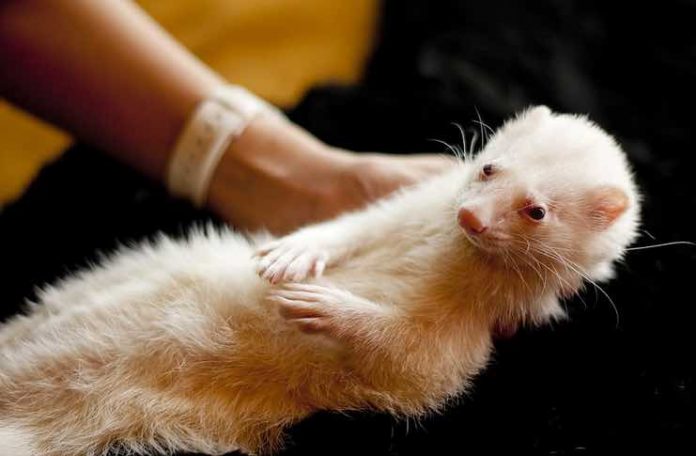
Ferrets are simply adorable, so it is no surprise that they have surged in popularity as pets over the last few years. Like goats, ferrets are social animals, so it is always best to adopt more than one to allow for companionship.

Most animal experts insist on de-sexing your ferret when they reach six months of age to avoid health problems in the future. This is particularly important for female ferrets who remain in heat until they mate. 

Ferrets are carnivores, so be sure to select a high-quality food designed specifically for them. If you can’t find any, most quality dry kitten food should suffice.

You can also feed small portions of fruits and vegetables from time to time, being careful to avoid grains, bread, milk products, and caffeine, which all could prove toxic.

Finally, ensure that you offer large, raw, human-grade bones every week to keep your pets’ teeth clean and to keep them entertained.

Bottom Line: Care for Your Exotic Pets

Caring for an exotic or unorthodox pet can be hard work, but the rewards are so worth it! Enjoy every moment spent with your new companion.

How to Feed a Baby Ball Python

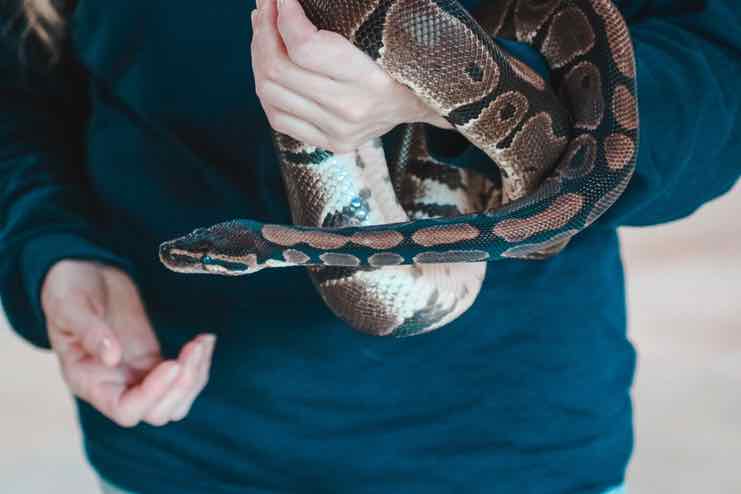
How to feed a baby ball python

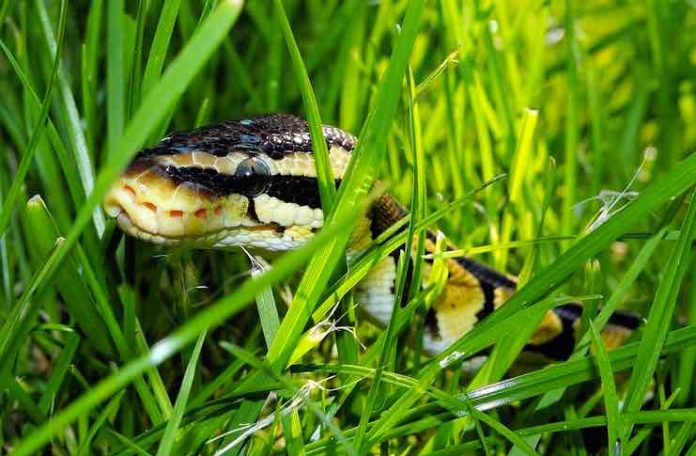
Having a ball python as a snake can be an excellent experience for both a beginner and an advanced reptile lover. However, taking care of them requires a lot of knowledge. Even though some species are well known for their specific behavior in the wild, snakes in captivity act totally different, especially the newborn ones. 

According to Pet Place, ‘In the wild, snakes often travel long distances in search of prey. Depending upon the species, this can be insects, bird eggs, frogs, small or large mammals. In captivity, the basic diet will consist of young frozen mice called “pinkies.” These come in different sizes at the pet store. Choose one about the size of the snake’s head. This will provide a meal without stressing the snake’.

It’s a common knowledge that snakes eat rodents; however, sometimes bringing them the food is not enough to encourage them to eat. Especially when it comes to baby snakes, you need to have few essentials in mind. Below we pointed out how baby ball pythons are likely to behave and how to feed them successfully.   

Baby pythons are picky 

Around 80% of the newly purchased baby ball pythons won’t eat right away from you. And that’s ok. The adaption to the new environment is a part of the settling process. On the other hand, the baby needs to eat. Around a week after bringing a new pupil to your place, you should start feeding trials. 

What we recommend after bringing home a baby ball python is giving them time to settle in. Sometimes it can take more than seven days. Try not to mess with them, especially during the feeding day. If you stress them out, they may reject the food.  

Small space 

The first thing we recommend you is to put your baby ball python into a smaller closure that you would typically get for the snake. It can make getting used to its new environment easier, especially if your baby pupil is stressed out. 

Before the feeding process, make sure you provide your pups with proper conditions, I mean the lightning, water, little cave’ ish place to hide, and the right temperature and humidity box. Good environmental conditions are essential for the snake to settle in, which brings you closer to feed it with success.  

Nighttime – feed time

‘Animals that are diurnal are usually awake and active during the day. Nocturnal animals are usually awake and active during the night’ – that’s another thing to keep in mind when it comes to feeding your baby snakes – feed the diurnal species during the day and do the opposite with the nocturnal species. That’s the time when they would become naturally active in the wild and search for food. Ball Pythons are the nightcrawlers, which means it can be helpful to feed them after dark. 

Make sure the food is warm

That’s an essential tip for feeding your baby ball python – the right temperature of the pinkies. Warm food is very important mostly for the nocturnal snakes, here is why. Nocturnal species, like ball pythons, have heat-sensing pit organs along their upper lips that ‘see’ the heat of their potential victims. The warm body of the mouse can be seen within a meter away. 

Serving your baby ball python with a warm rodent helps your pupil identify the kill as a portion of actual food and encourage it to take it. If you have frozen pinkies, leave it for a couple of hours at room temperature. The best way to check if the mouse is not too cold inside is to squeeze it a little. If the baby snake will sense the cold food, it’s going to throw it back probably.

Another way of serving warm food is to put the rodent into a cup of hot water. Carefully though, when the mouse is frozen, it cools the water and stays cold itself. First of all, leave it a little at the room temperature, then you can try to make it warmer. 

Anyways, a better way is to stick to the room temperature mostly because of the mouse the smell a little after being put into the hot water changes, which for a picky snake may turn into a none interesting food.   

Life over frozen food?

That is the question…There are different opinions about this. If your baby ball python hasn’t eaten for a while, it’s easier to feed it with pre-kill, even cut it a little so the pupil can sense the meat. Most of the snakes do not mind the frozen pinkies; however, some snakes require the living rodents. I recommend you try it both ways and see the preferences of your baby snake. 

The Bottom Line on How to Feed a Baby Ball Python

Summing up, the information we pointed out above should help you feed your baby ball python. Of course, snakes are individuals; all of them may have different needs and preparations. More observation you do, more you can learn about your new pupil. Make sure you provide them with fresh rodents and a proper environment, including hiding sports, lightning, temperature, and humidity levels.

Remember not to pet your baby ball python right away. Time to settle in is crucial for its further development. If, after a while, your baby ball python isn’t still up for food, you should go to the specialist and ask for help. There may be some issues you’re not able to notice.