

Home Blog Page 15

Man’s Best Friend Has a New Best Friend: CBD Oil

CBD Oil

Everyone knows the saying, “Man’s best friend is their dog.” But, what if we told you that dogs new best friend is CBD oil?

CBD oil is relatively new in the pet world today, but it’s starting to gain more publicity now than ever before. The reason behind this is that CBD oil has numerous health and wellness benefits to help tackle countless ailments. Now, you can use CBD oil for cats, dogs as well as humans. What’s more, is that this natural medication is completely safe and clinically tested to ensure your dog reaps all the benefits.

So, what can CBD oil help your dog with?

As humans, we tend to use CBD oil to manage our muscle pain, stress, and anxiety induced trauma. For dogs, on the other hand, we can administer CBD oil to help all of the following circumstances:

  • Physical pain
  • Seizures caused by epilepsy or other medical problems
  • Inflammation
  • Cardiac problems
  • Nausea and vomiting
  • Appetite stimulation
  • Anxiety symptoms
  • Relief from cancer

What type of CBD products are on the market for dogs?

Almost every dog CBD product on the market today for dogs is third-party, clinically tested, and made with 100% high-quality hemp products. Keep in mind, you’ll have to do your research to determine which products do indeed live up to these criteria. Once you’ve found these simple facts to be accurate within your product selection, you’ll be able to say, without doubt, that there are no pesticides, fungicides, or herbicides present in the product.

DogDreamCbd: “Some of the products available for purchase on various dog CBD websites are as follows:”

  • Oil tinctures
  • Dog treats
  • Oil sprays
  • Oil balms

When trying to purchase the right product, what should I aim to find?

Here’s what you shouldn’t do: Go for the cheaper product.

High-quality products come at a price, and for a good reason. If you’re looking to buy CBD products for your pup, you’ll want to get the products that work best to alleviate your dog’s ailments; this doesn’t mean you should start searching for sales and the cheapest oils to buy. Instead, you’ll want a highly recommended, high-quality CBD product that many dogs have done well with.

In addition to everything stated above, you’ll want to check up on the suppliers’ website or company packet to make sure that THC is not present within the recipe you’re selecting for your pup, as such mixtures could produce unwanted side effects.

What do we recommend when starting CBD treatments for your dog?

Purchasing CBD for dog’s tinctures is the best way to start treatments, as this method will allow you to give a few drops of oil at a time. If you purchase the dog treats or sprays, you may be giving your dog too much at a time, as the dosages are not able to be tweaked.

If you get the tinctures, you’ll be able to increase or decrease the dose accordingly until you find a happy medium to aid in your dog’s treatment.
Finding the Best Flea Treatment for Your Cats and Dogs

Flea Treatment for Cats and Dogs

Keeping your pet happy and healthy means keeping them free of fleas and other harmful bugs. Finding the right flea treatment can be stressful. There are many products available in the market that you can give you your pets and keep them bugs free. Even CBD treats for cats are there now. petslady has all the information about it.

There are many different brands and types of flea treatments, including pills, sprays, and collars, and it’s hard to know which one you should pick. We have compiled a helpful list of the best flea treatments on the market so you can find the best choice for your furry friend!

How to Tell That Your Cat or Dog Has Fleas

Catching fleas is a very common occurrence for animals, especially if they spend any amount of time outdoors. There are many visible signs that will appear when your pet becomes plagued by fleas. Here’s what you should look for:

• Excessive Scratching

• Flea Dirt

• Excessive Shedding

• Loss of Energy

• Loss of Appetite

• Red Pimples or Bumps

If you have noticed any of these symptoms, we suggest you check your pet for fleas. This can be easily accomplished by combing through their hair to check for bugs and eggs. Fleas are small, brown bugs that are easily spotted in areas where there is thin fur. If you find any fleas, make sure you take action as soon as possible. Below are some great flea treatment products we recommend.

Bayer Animal Health Seresto Flea and Tick Collar

If you have trouble getting your pet to take pills or sit still to be sprayed, a collar might be the way to go. Both dog and cat collars are available through this brand.

The Seresto Flea and Tick Collar is recommended by veterinarians and has been highly rated on pet websites like PetVetsOnline. This product prevents fleas and ticks for 8 continuous months. It is extremely easy to use and is available on Amazon for a reasonable price.

Frontline Plus

Frontline Plus is another great vet recommended product that has both dog and cat versions. Frontline gets applied directly to your pet’s skin to help prevent fleas and ticks. Each package comes with 3 doses and each dose is applied monthly.

Frontline is available at all major pet stores, so it is a very convenient product. The only con we have found with Frontline is its strong odor the day it is applied.

Bayer Advantage II Flea Prevention

This is another product that is applied directly to your pet’s skin. Bayer Advantage begins working just 12 hours after you apply it and is meant for monthly use.

Unlike Frontline, this product is completely odorless! Both the dog and cat Advantage II products are available at all major pet stores, so it is a very convenient product.

Bayer Advantage Flea Tick and Lice Treatment Spray

This spray can not only be applied to your pet, but also around your home to ensure maximum protection against fleas. You will be able to target fleas directly on your pet and other fleas that may be around your home which helps ensure the fleas will not come back to haunt you.

Bayer Advantage Spray targets fleas from adults to eggs, so you are definitely covering all of your bases with this product. There are separate products for cats and dogs, so make sure you buy the right product for your furry friend!

Novartis Capstar Flea Tablets 

Capstar tablets are an extremely fast-acting product to fix your pet’s flea problem. In a single dose, this product gets your pet flea free in just 4 hours for dogs and 6 hours for cats!

Make sure you still check for smaller fleas afterward, as this product specifically targets adult fleas.

Have a cat or a dog? Want to know what is cheaper to own? Read this…

Studies of Snake Venom and Its Effects

snake venom

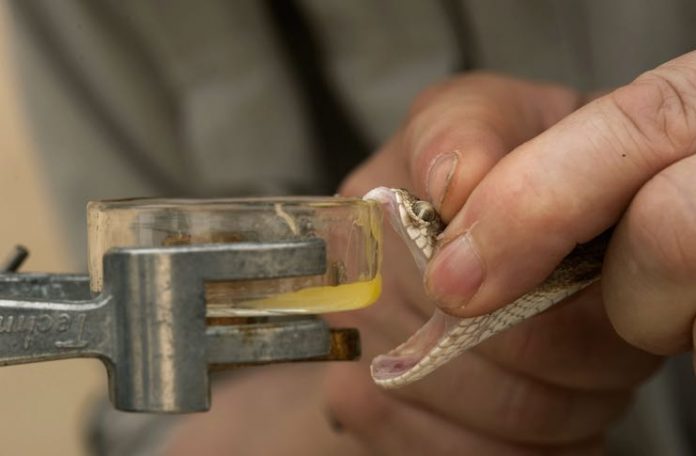
Snake venom is the poisonous fluid usually yellow in colour located in the salivary glands of venomous snakes. The world is littered with poisonous snakes. Of the 3400 species of snakes, at least 600 species are venomous.

Deadly snakes use their venom to immobilise their prey for feeding purposes. They also use it as a defense mechanism against predators. Despite the deadly properties of snake venom, it has been used to develop drugs used to treat a wide range of conditions including erectile disfunction.

The Composition of Snake Venom

Venom is composed of molecular substances such as proteins and enzymes which work to disrupt nerve impulses and destroy cells. Proteins are toxic and are responsible for most of the deadly effects of snake venom.

The enzymes aid in the quickening of chemical reactions which are responsible for breaking chemical bonds between large molecules. Enzymes help to break down the following in the bite victims:

  • Carbohydrates
  • Proteins
  • Phospholipids
  • Nucleotides

Polypeptide toxin is an additional component of snake venom. This amino acid disrupts cell functions causing cells to die.

Different venomous snake species may contain similar toxic components. However, there are components which are only found in specific species.

Snakes use their venom sparingly only releasing enough to immobilise prey or defend themselves against predators.

Effects of Snake Venom on Prey

Once the venom is released into the body of prey or foe, it works by breaking down tissues and cells. This may have the following effects on the snake bite victim:

  • Paralysis
  • Lower blood pressure
  • Destruction of red blood cells
  • Internal bleeding
  • Interfere with muscle control
  • Death

In order for it to be effective, it must get into tissues so that it can find its way into the bloodstream.

Interestingly, snake venom components are used to develop drugs to treat human diseases.

Types of Snake Venom

There are three main types of snake venom:

  • Cytotoxins,
  • Neurotoxins,
  • Hemotoxins

Other types of toxins are cardiotoxin, mycotoxins and nephrotoxins. They affect specific types of cells.

  • Cytotoxins

These ones destroy body cells and cause most or all the cells in an organ or tissue to die. This condition is known as necrosis.  Some of the tissues may be partially dead in a condition known as liquefactive neurosis.

Cytotoxins aid in partially digesting the prey before the snake feeds on it. These toxins are specific to the cells they attack, for instance:

  • Cardiotoxins damage heart cells
  • Nephrotoxins go for kidney cells

A large number of venomous snakes have a combination of cytotoxins.

  • Neurotoxins

Neurotoxins make a beeline for the nervous system. They disrupt neurotransmitters that are sent between neurons. They may block voltage-gated calcium and potassium channels which are important passing signals along neurons.

Neurotoxins cause paralysis mainly resulting in respiratory complications and even death.

  • Hemotoxins

These toxins affect normal blood coagulation processes. They cause red blood cells to burst open by:

  • Inhibiting blood clotting factors
  • Cause tissue death
  • Causing organ damage

When red blood cells are destroyed and the clotting factor is interfered with, internal bleeding is the end result. Too many dead red blood cells can inhibit proper kidney function.

Some hemotoxins cause platelets and other blood cells to be lumped together causing clots which block circulation through vessels. This can lead to heart failure.

Types of Snakes and their Venom Injection System

Snakes are classified into three main families.

Viperidae

They have a well-developed injection system. The venom in these snakes is produced and stored in glands. Vipers erect their front fangs before digging them into their prey and release them once the poison has been injected. Once the poison has immobilized the prey, the viper has its dinner.

Elapidae

Mambas, cobras and adders belong to this family. Their delivery system is similar to that of the vipers. The difference is elapids do not have mobile front fangs with the exception of the death adder. Most of them have short small fangs that are eternally fixed and erect.

Once they bite their prey, they maintain their grip and chew to drive in the venom to the maximum.

Colubridae

They have one open canal on each fang which passes venom from the snake to its victim. They have fangs in the rear which are fixed. They chew their prey while the venom seeps in. Their venom is not as deadly as the other two classes. However, the twig snake and boomslang are the exceptions here.

Health Benefits of Snake Venom

The venom of the Brazilian pit viper is used to make drugs used in the treatment of hypertension. The venom extracted from rattlesnake and saw-scaled viper has been used to treat heart conditions such as angina.

Hemotoxins have been used to develop drugs for the treatment of high blood pressure, heart attack and blood disorders. This is because hemotoxins have anti-clotting properties. Neurotoxins are used in the development of drugs to treat stroke and brain-related diseases.

Other conditions that may be treated using snake venom include Alzheimer’s disease, cancer, heart disorders and erectile dysfunction for which cobra venom is renowned.

Conclusion

Extracting venom from these deadly serpents is a grueling exercise that requires intense preparation and execution. However, the discoveries made that have impacted positively on health are insurmountable.

5 Essential Rules In Giving Dog Treats

Dog Treats

Furry babies get excited over the simplest things, like when you’re holding a treat. They become playful and eager to munch that snack in your hand. Oftentimes, it’s easy to be tempted to get a treat and toss it to your dog for no reason besides showing that you love them. However, this could have negative effects on your dog like demanding behavior or reducing their hard work when training.

Love Chihuahuas and have one as a pet? Well, the simple act of carelessly giving your Chihuahuas dog treats could lessen the effectiveness of the discipline you want your dog to have.

Here are five important rules when giving your dog treats:

1. Choose the treats carefully

There are so many dog treats available in the market, and it’s so easy to think that they’re all safe for dogs just because they were allowed to be sold in the first place. However, there are commercially-packed treats that contain ingredients that can affect your dog’s health, so you need to ensure that you know what goes in those treats. Better yet, opt for natural treats like those by Barking Good, because they are processed without chemicals.

Here are some of the ingredients that are bad for your dog:

  • White flour – This can cause a spike and drop in sugar levels that will cause your dog to be hungrier, and overconsumption can lead to weight gain, obesity, or diabetes.
  • Artificial coloring – While they cause the treats to look better, artificial colors in dog treats are being linked to some biochemical processes and hyperactivity.
  • Gluten – This is found in grains like corn, wheat, or oats, and can cause digestive distress or allergies
  • Sodium nitrite – High doses can cause a blood disorder in your dog called methemoglobin, and is linked to cancer when accumulated over time.

2. Don’t be too dependent on the treats

One of the most effective ways of giving dog treats is to provide them with different rewards for different behaviors. Keeping your dog wondering what they’re getting in return for listening to you will lessen the expectation that they could have for repetition. There might be times where you give different flavors of treats, and other times, they receive a toy or a pat on the head.

While dogs can be more expensive to feed than cats, you can get creative with varying your reward system. Here are a few examples:

  • Verbal praise like “good boy” in a happy and excited tone
  • Active playtime with you like tug-of-war, Frisbee, water games, and the like
  • Short trips or excursions like a walk different from that in the schedule, a short car ride around the block, and so on
  • Physical attention like belly rubs, kisses, ear rubs, cuddles, and more

3. Reinforcement vs. Bribery

For treats to be effective, you need to be able to distinguish bribery from reinforcement and vice versa. Reinforcement it to reward your fur baby for good behavior, a completed task, or a job well done; while bribery is offering your dog a treat when it refuses to perform a behavior or task. For example, your dog might have responded to the sit command during the first few days and have received treats as a reward. It’s possible that it might not obey the same command without the treat and will only do so after seeing you reach for it in your pocket.

Giving Dog Treats
For treats to be effective, you need to be able to distinguish bribery from reinforcement and vice versa…

Here are a few tips when training:

  • Don’t show your dog the treats beforehand but only after the behavior is completed successfully
  • Don’t give food treats all the time, and move into removing treats with the command soon after
  • Lessen the frequency of treats or rewards when the dog learns how to follow a particular command majority of the times

4. Avoid over-treating

Treats are vital instruments for positive reinforcement during training, but giving too many treats can also have undesirable effects for your dog. Over-treating can cause your dog to be overweight or obese, besides encouraging demanding behavior or increasing their expectation for further rewards. Here are the considerations:

  • Dog treats shouldn’t exceed more than 10% of its daily caloric intake.
  • Count treats as part of their daily calorie consumption, and not on top of their dog food. For example, if your dog needs 500 calories in a day, 50 calories are from treats and the 450 calories from its regular food.

5. Gradually remove food rewards

You don’t want to provide a treat for every good behavior because your dog will end up only following your commands when you have something to give. However, this also doesn’t mean that you abruptly stop the reward system. Instead, wean your dog like how you would wean your child. Once your pet performs tricks, commands, or behaviors correctly for 90% of the time, you can start removing the treats. Here’s some guidance on how to phase out treats:

  • Reduce the value of the treats. For example, a command which gives him a chicken treat every time can be reduced to kibble and given on lesser occasions
  • Increase the number of responses for a command before giving a treat
  • Delay giving the treat for a few seconds rather than just feeding it to your dog
  • Once your dog can perform commands for longer periods and pet food treats, move into giving life rewards. For example, instead of a turkey treat, you can tell your dog to fetch its favorite toy

Final Thoughts

Whether you’re a first-time dog owner or not, it’s always crucial for you to know that there is more to giving treats than showing affection for your pet. You need to choose the right kind of treats that won’t be harmful to your dog, add variety for your reward system and be mindful that you’re encouraging good behavior rather than bribing. You don’t want your dog to be unhealthy because of too many treats, and you want to be able to wean him out of this system at the appropriate time.

The Fascinating Cobra Anatomy

Cobra Anatomy Underneath
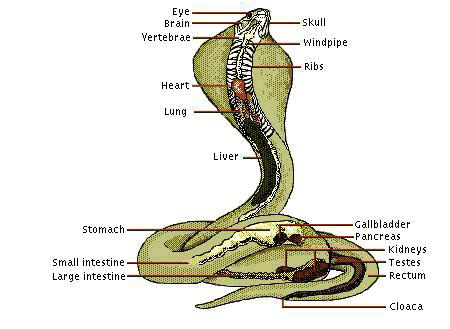
The Anatomy of a Cobra snake, underneath its skin.

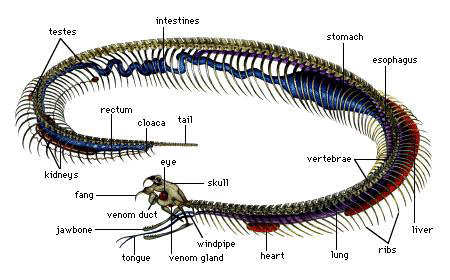
Any discussion on the Cobra Anatomy will eventually focus on its inflatable neck hood. In the anatomy descriptions, the hood is the name for the flap of skin behind the head of the Cobra, which is primarily used to make the Cobra appear bigger. The Cobra Hood contains loose skin which the Cobra can inflate with air from its lungs, expanding the movable ribs.

Take a look at this drawing of the Cobra Anatomy:

Cobra Anatomy
The Anatomy of a Cobra Snake.
Cobra Anatomy Underneath
The Anatomy of a Cobra snake, underneath its skin.

Jacobson’s Organ

Jacobsans Organ
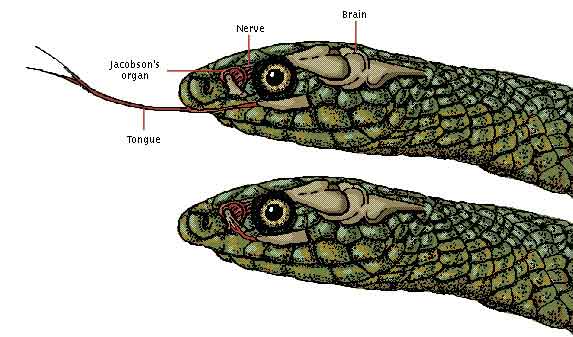
Sharpens the Smell: Jacobsans Organ. Click to Enlarge Image

Jacobson’s Organ is an extrasensory organ in the roof of the snake’s mouth that sharpens its sense of smell. It consists of two hollow, highly sensitive saclike structures. The snake’s acute odor perception allows it to track both prey and potential mates.

For more fast facts about Cobras click here.

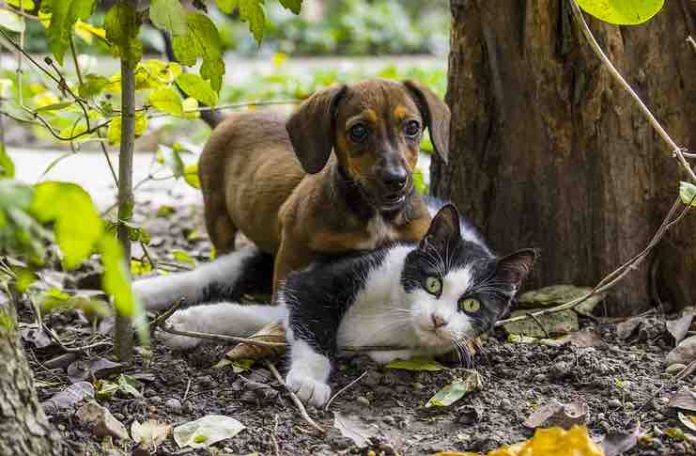
Cat or A Dog? Which Is Cheaper To Own?

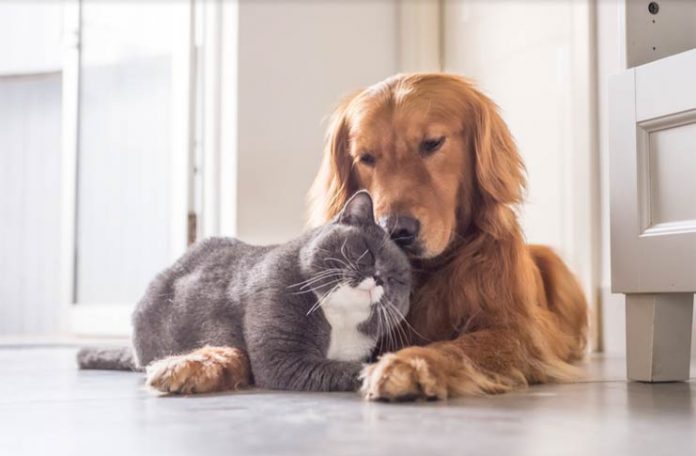
cat or dog

Pets provide us with great companionship that is hard to find even in humans. This is why there is an old saying that “dogs make the bests of friends”. However, having a pet comes with so much financial responsibility. Most people who have gone down this road before can testify to this fact. This is the reason why there are increasing numbers of stray pets as owners who can no longer keep up with the financial obligations prefer to cut loose with their pets and let them be taken into adoption.

Do not be discouraged! Owning a pet is a lovely idea; don’t let the financial obligations deter you from having one.

Cat or a Dog? Which is cheaper to own? In this informative guide, we are going to break down the cost of having the two pets so you can make a choice.

Providing a Home

Cats, unlike dogs, do not need lots of equipment when it comes to setting up their homes. You will need a leash for a dog and a crate for his bedtime too when you are not at home. Depending on your preference, you may consider getting a harness for your leash too.

For both animals, you will need a pet carrier, food, and water dishes so the cost is invariably the same. Other care equipment like collars, flea powders, bathing, and washing stuff is also in the same price range.

Cats can occasionally claw your stuff at home but are not destructive. Puppies play too much and just like babies can ruin stuff around your home.

Feeding

Feeding is more expensive for dogs when compared to having a cat. Although dogs’ meals are cheaper than that of a cat, dogs eat more food, and hence the cost of feeding them is more. You can consider buying your pet foods online, at retailers such as Swell Pets.

Medications

There is a tie here as both animals need regular visits to the vet especially when they are younger. You

Conclusion

Owning a dog is obviously more expensive. Dogs require high maintenance so they are expensive to care for when compared to cats. Although the cost of having both animals is the same in most areas, the dog comes up top in the pricy areas.

Having a dog comes with other extra benefits that can compensate for the cost of raising them. Dogs are very social when compared to cats. They are more of a companion than a pet. Cats love to be pampered; they are generally lazy and demand your attention all the time. Dogs can fend themselves. They are easily inculcated into the family and are better pets for kids. They are more cheerful, playful, and dependent. Id

There are other things you should consider when getting a pet. Factors like the size of your house, the nature of your job, your family, the age of your kids, and the amount of free time you can spare for an extra pet. All these factors also play a big role in getting a pet.

You can meet consultants to help you make a choice between owning a dog or a cat, these experts will help you evaluate your options and make the right choice.

Whichever pet you choose, whether cat or dog, be prepared to make financial commitments and reap the benefits of having a warm companion.

5 Secrets Behind A Perfect Fish Pond

fish pond

Are you looking at building your Fish pond? Do you already have a pond but it’s not what you want it to be? Come on board as we take you through the secrets of setting up and maintaining that beautiful Fish pond that will accentuate your garden or landscape.

Big Is Better

Starting off small is cool, but one thing you should have at the back of your mind is that you may have to expand pretty soon. Fish fish grow very fast and can even get to two feet in length. So when you start off small, your pond will be overcrowded in just a couple of months (or less). A standard Fish pond should be up to three feet deep. So when starting off a Fish pond, make sure your pond is as large as possible. This will save you the cost of trying to expand in the nearest future.

As a side note, this could create a great environment for raising a baby tutrle, just an idea. Tutrles love water, grass and gardens.

Bottom Drains

When setting up your fish pond, you need to make provisions for bottom drains. Bottom drains help keep your pond clean by removing leaves, debris, and fish waste from the bottom of the pond. This is crucial for maintaining the quality of the water, as poor water quality may lead to the death of your fish. For even better results, you can opt for an aerated bottom drain, which not only adds a vacuum effect but also helps oxygenate the water, improving the overall health of your pond.

To further enhance water circulation and oxygen levels, consider integrating a pond aeration system. A well-designed aeration system will work in tandem with your bottom drain, ensuring that oxygen reaches the deepest parts of the pond where water can otherwise become stagnant. This is especially important in larger ponds, where poor aeration can lead to dead zones, negatively affecting fish and plant life. With a pond aeration system, you’ll create an environment that supports fish health while reducing the buildup of harmful waste and gases.

This is where asking yourself, “what size dumpster?” comes into play. Renting the right-sized dumpster ensures you can dispose of all this waste efficiently, keeping your work area clean and your installation process smooth. Also, ensure the plumbing work for the bottom drain is neat and properly sealed to avoid water leakage.

Adequate Pond Aeration

Your pond needs all the oxygen it can get for your fishes to stay healthy. Many pond owners do not realize this and only trust their pond spitters or even waterfall to provide the required amount of oxygen to their pond. If you do not make adequate preparation for oxygen, your Fish fishes will suffer in the long run. This is because the Fish fish takes up more oxygen as it grows. So a large Fish fish needs more oxygen than a group of other smaller fishes.

You have to provide an adequate pond air pump for your fishes. This will save you the worries of managing the fishes when they grow. When buying an aerator pump, make sure the size you get is suitable for your pond.

You Need UV Sterilization

One of the beauties of having a Fish pond is watching your Fish fish swim through the crystal clear water. The view adds more glam to your garden and makes everything feel natural. However, not all ponds can balance up naturally and have clear water without an ultraviolet sterilizer.

The UV water sterilizer, apart from cleaning up the water, has lots of health benefits to the fish. The UV sterilizer efficiently cleans up the water and removes toxins and pathogens in the water; this helps your fish stay healthy.

The Right Pond Filtration

Filtration is one of the most critical activities that help provide the right ecosystem for the survival of the Fish fish and another organism present in the pond. In other to prevent the growth of parasites and toxins in your Fish pond, you need a pond filter.

A pond filter will help your fish stay healthy. Without the right pond filter, your Fish fish stands the risk of suffering common fish illness and severe parasitic attacks.

When getting a pond filter, you should bear in mind that they are different types of pond filters and pond filtration systems. You can go for the pressurized filters if you plan on setting up a small pond. But a pressurized bead filter is recommended if you have a large pond. Some of the screens come with a built-in UV that helps keep the water clean.

You can visit this website to learn more tips and tricks on how to set up your fishpond.

Now you have these essential points; you can confidently plan your Fish pond today and make that fantastic addition to your garden.

How to Prevent (and Survive!) a Deadly Snake Bite in North America

While North American trekkers and campers are usually relatively safe from the threat of venomous snakes, that doesn’t mean you should venture out without giving them a second thought. According to CDC statistics, eight thousands bites are recorded per year – and estimates suggest many more aren’t reported.

If you’re planning on heading into snake country and want to avoid a bite, the guys over at Sniff Outdoors have put together a handy and easy-to-digest infographic. It covers effective preventative methods, including what you should do if bitten. Check it out below (and CLICK to view the full size infographic):

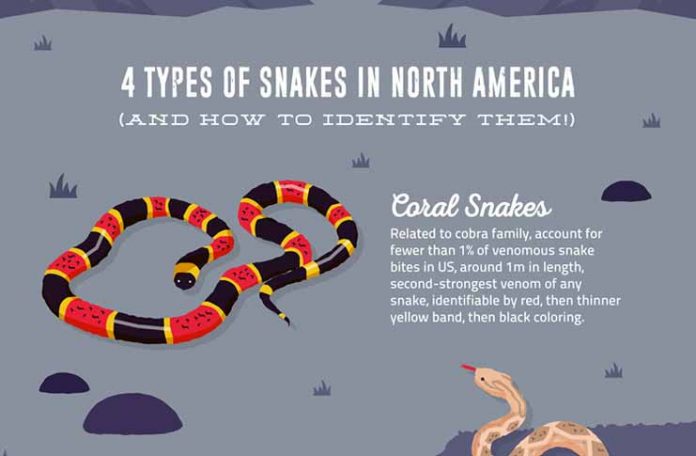
deadly snake bite
How To Prevent a Deadly Snake Bite. CLICK to view the full size Infographic

Can Snakes be used as Therapy Pet?

Therapy pets

When someone mentions therapy pets, dogs and cats normally come into mind. That is because these household favorites have been proven effective in helping out people who are going through difficult times. However, different circumstances might call for needs which cannot be provided by a dog or a cat. This is when other exotic pets, such as the snake, become a more viable option as a therapy pet.

Snakes and other similar reptiles have special characteristics that prove more suitable to the unique needs of some people, especially those who are suffering from mental conditions or diseases that require less activity. These type of individuals having a highly playful dog or cat might prove to be a hassle instead and they would be better off with less active animals.

Dr. Laurie Hess, author of “Unlikely Companions: The Adventures of an Exotic Doctor,” mentioned that it is best for an autistic to have a reptile as a pet. Dogs and cats tend to be highly active and this may overwhelm the patient. Thus, an idle reptile like a snake or a chameleon might be a better fit them since these animals are slow to move and are usually idle or calm. Their scales and movements are interesting to stare at for hours on end which an autistic patient may enjoy without distractions. Learning is crucial for such patients and there is much to learn about these colorful crawlers. Having a pet snake is also a good start for individuals with autism since taking care of these animals are not difficult, not time consuming, and inexpensive to boot.

A snake could also prove beneficial for patients with high blood pressure. Just watching an elegant belly crawler in its tank without having to do anything is soothing and sometimes, even meditative. As a result, the individual’s heart rate and blood pressure is lowered.
Individuals whose mobility have been limited such as the disabled or elderly may also consider snakes as pets. This is because these slithering wonders require little to no tedious animal care chores such as outside walks or changing its litter.

While dogs become depressed and frustrated when not given attention, they resort to behavior that becomes stressful to their owners. Snakes, on the other hand, require less attention and will not immediately resort to harmful behavior since they can be left on their own devices. They are also proven low maintenance so long as their owners meet their needs. Of course, it is important to do research which type of snake one should keep in order to prevent accidents.

Keeping a dog or a cat might be therapeutic but nothing compares to an animal which a person can closely relate to. As how Dr. Hess said would have put it: “Having an animal that speak languages…that will understand you, is sometimes an incredible relationship for someone who has been through trauma.”

Famous Sunshine State Snakes: Who Is the Florida Brown Snake ?

There are more than fifty different types of Florida snakes. Among them, not many are venomous but there are quite a few that one must always be aware of and stay away from. Some of the Florida snakes are quite interesting, almost exotic, but many are rather ordinary which will not otherwise generate much excitement even among the snake enthusiasts. The Florida brown snake and the Florida corn snake are however two species that will certainly captivate you, regardless of your interest in reptiles.

Florida Brown Snake

Storeria victa is the actual name of the Florida brown snake. There are some other names as well, the scientific ones, such as Tropidonotus dekayi, Storeria dekayi, Tropidonatus dekayi, Ischnognathus dekayi, Storeria dekayi victa and Storeria tropica. Other than Florida, the brown snake is known to thrive in Georgia among other southern coastal states.

The Florida brown snake is small and often has a size of just 18 cm. There are some large Florida brown snakes that measure up to half a meter but they are so rare that most people will never spot one. The Florida brown snake is also extremely slim. Despite its small size and thin frame, the snake has a uniform appearance because its head is in great symmetry with its body. The Florida brown snake can be grayish, yellowish, brownish, reddish or silvery in color. Small Florida snakes don’t usually have venom and the Florida brown snake is no exception.

The Florida brown snake usually gorges on slugs and earthworms and also eats frogs or toads, fish and lizards, insects and very small snakes. Small birds also feature on its dietary chart.

Florida Corn Snake

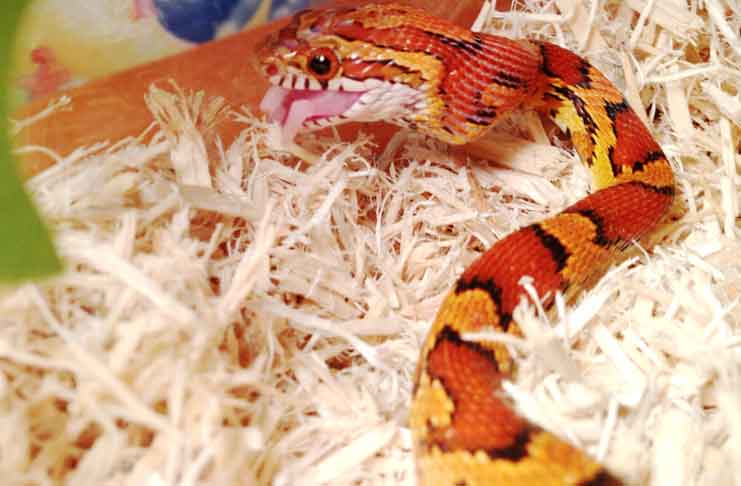
The Florida corn snake is considerably larger or longer than the brown snake. But they both are slim. A Florida corn snake is slim but runs up to a length of about six feet. However, corn snakes measuring two feet are also common. The Florida corn snake has a brownish yellow or orange colored body with red blotches having black edges running down the center of its back. The Florida corn snake is as competent at digging burrows and staying underground as it can climb buildings or trees. They do both, either for hunting or for shelter.

corn snake
Corn Snake. Photo by Dustin Miller

Apart from being one of the commonly found Florida snakes, the corn snake is also found in New Jersey, Kentucky and Louisiana.

The Florida corn snake usually gorges on frogs, lizards, rats, bats and birds.